written by Nina Sunko
You know what they say – a picture is worth a thousand words. So it’s no surprise that a camera angle is one of the most important elements of a film, at least among those that can’t “speak” on their own. A well-chosen shot can tell you, in just a few seconds, where the scene takes place, who’s there, and what the status quo of the situation is, you just need to know how to read it.
Let’s pause on that term “status quo” for a moment. What does it actually mean? In short, the status quo represents the current state of affairs in a story. Very often, especially in short films – a common form in the world of independent cinema – you can sense the story’s context just by looking at the first shot. Using the camera as a storytelling tool is a classic director’s trick, because when you have less than 15 minutes to tell a story, there’s no room for idling. That’s why many directors use the opening shot as a summary of the entire narrative, and why the first and last cuts are so important: even without watching everything in between, you often get a clear idea of what’s going on.
If you’re a fan of independent cinema, you may have already seen the ÉCU 2025 award-winning film Les Petits Monstres, which took home the prize for Best European Independent Comedy. If not – close your eyes now, because spoilers are coming!
The film opens with an extreme close-up (ECU) of the protagonist, a choice that immediately reveals one of the film’s central themes. His eyes flutter beneath sunglasses, and without a single line of dialogue, we understand the core situation: the main character, a visually impaired teenager named Erwan, is blind. In Les Petits Monstres, Erwan is on his way to school, eager to confess his love to Agathe, but first he’s stuck sharing a medical transport van with David, a wheelchair-bound classmate who desperately wants to be his friend. Their rivalry escalates into a full-on comedic “war”, and this very first shot quietly introduces Erwan’s worldview before the chaos begins.
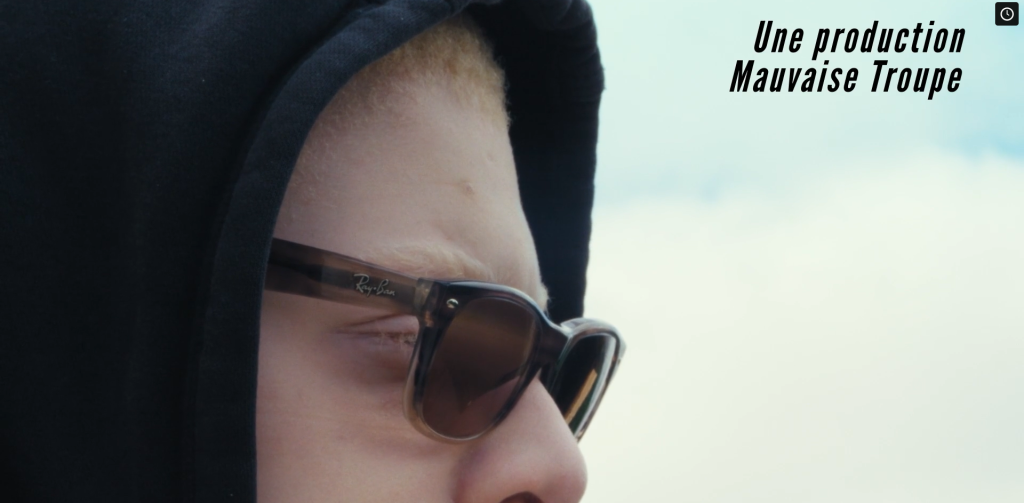
Directors often choose an ECU shot for a simple reason: it highlights detail, emotion, or anticipation. When a film begins by placing a specific issue front and center, strong camera work becomes crucial. It’s the difference between drawing the audience in or losing them immediately, and that is why the opening shot matters.
The background in this shot is muted, keeping the upper part of the character’s face in crisp focus. This filming technique is called shallow focus, and it signals to the viewer that the subject in focus is what truly matters. Here, both Erwan and his internal struggle are equally important, and the camera makes sure we feel that from the beginning. The question becomes: what is more important here, the character in itself or the obstacle he is facing? The obvious answer would be both, but that part is left for the audience to explore.
To understand how other independent filmmakers approach similar moments, it’s worth looking at a region impossible to overlook – the largest continent in the world, home to 30% of Earth’s land area.
In anticipation of the AAIFF Asia 2025 Film Festival, we’ve spent the past month exploring the creative logic behind the Eastern approach to visual storytelling. One of the main contenders for the festival’s top award is Eternal Love, directed by Chinese filmmaker Hao Zheng, and its opening couldn’t be more different from the static, intimate ECU shot of Les Petits Monstres.
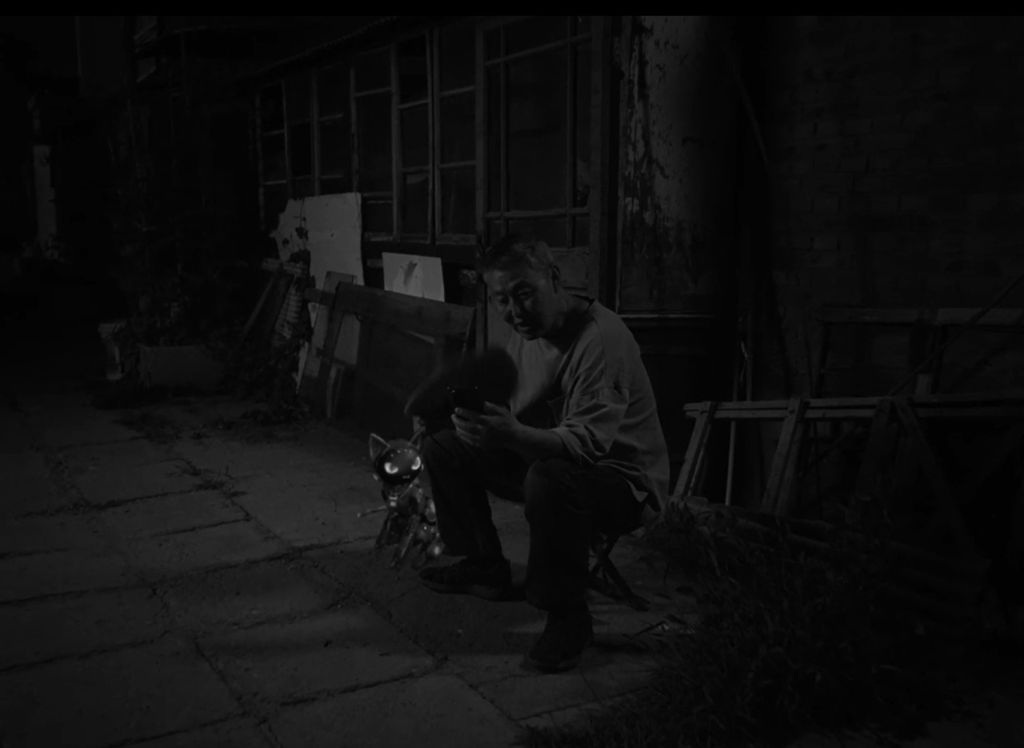
The opening shows a long shot of a man seated beside a robotic cat-like creature. Interestingly, this man is not the actual protagonist; instead, he functions as a tool to establish the story’s status quo. The film is set in the near future, the year 2030, and this opening shot introduces the small technological shifts that define this new world. The protagonist then enters the frame in a medium wide shot, still within the same continuous tracking movement, as the camera follows her through a futuristic environment that feels unfamiliar to both her and the audience. the story follows Ting, a chef who returns home after years abroad, determined to revive her family’s closed-down restaurant. Her goal is to recreate her grandfather’s legendary dish, but to no success.
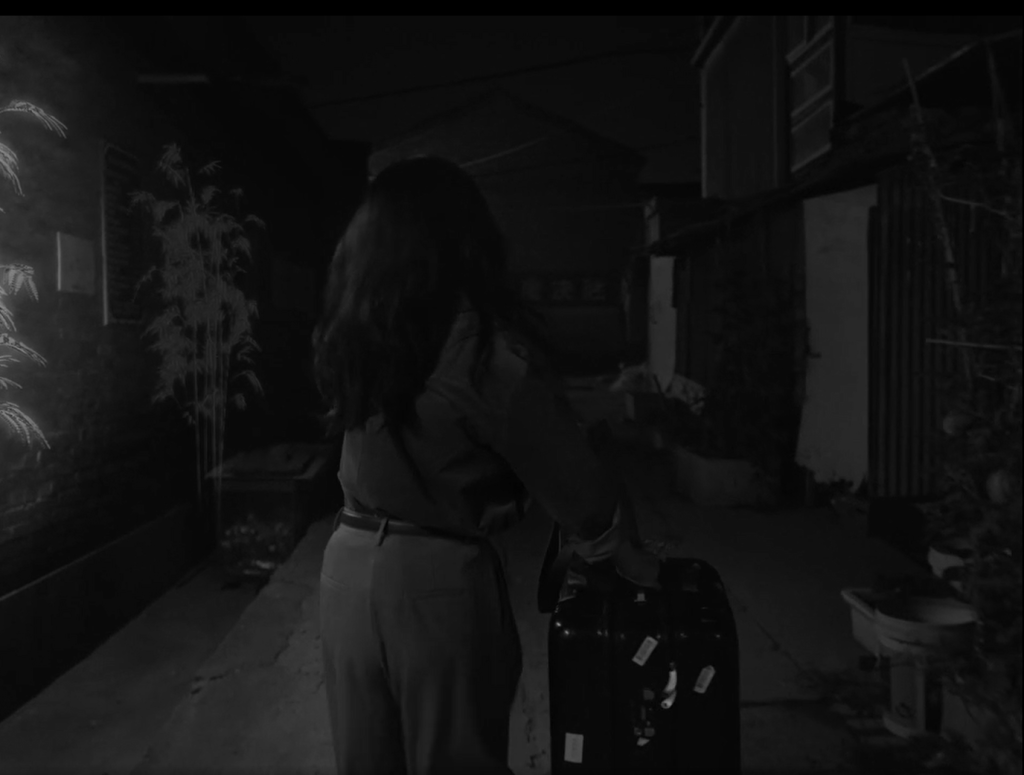
Let’s talk about tracking more directly. The previous independent film (Les Petits Monstres) opened with a static shot, emphasizing a single central issue already present in the story. By contrast, opening with a tracking shot signals that the narrative is more layered, with multiple challenges unfolding. While a static shot grounds us in a fixed moment, a tracking shot pulls us into movement – into a story that is just beginning to unravel.
Once again, the camera can tell us everything we need to know, no dialogue required. In Eternal Love, this is particularly evident in its unusually long opening shot, which unfolds continuously for over a minute. The camera guides us through the streets of Ting’s hometown, easing us into the atmosphere and rhythm of the place before finally bringing us to the very pulse of the story: the family restaurant she is determined to re-open.
The shot ends as we enter the restaurant, and the following image immediately shifts to a static frame from inside the building. Meanwhile, through the windows, we see Ting still moving outside. This contrast, a dynamic subject framed within a still environment subtly hints at the central tension of the film: Ting’s determination and restlessness set against the quiet, suspended world her grandfather left behind.
Give us your thoughts! Do you think camera psychology truly matters — and should every shot carry a deeper meaning, or is good storytelling sometimes enough on its own?
 English
Leave a Reply