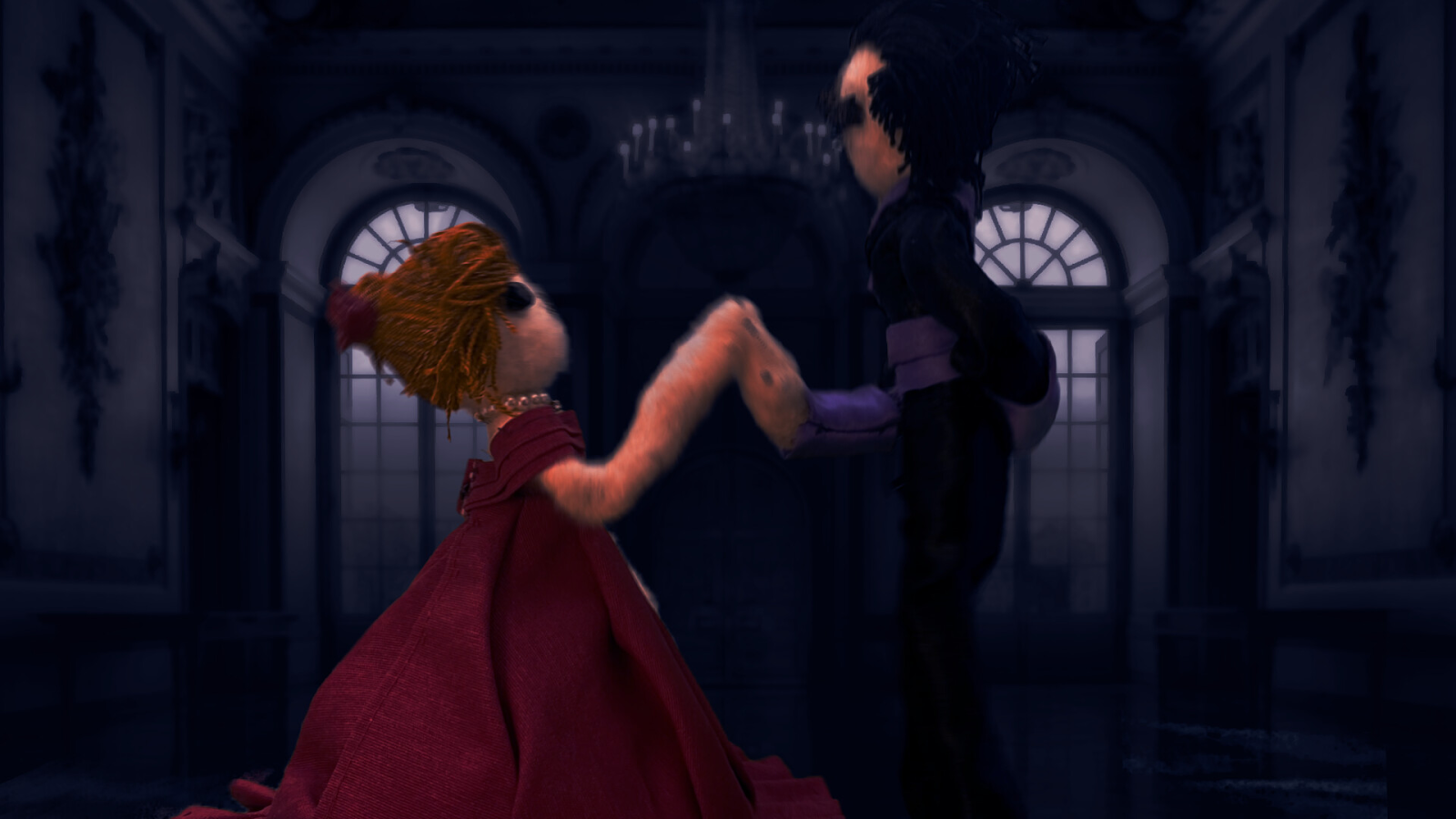
A conversation with Abril Díaz and Joseph Suárez.
Written by Chiara De Liberti
When we think of animation, the first images that come to mind are cartoons, drawings, and bright colors — a product primarily intended for children, a comforting medium that takes adults back in time. Yet there is another category, equally appreciated, that reveals a more gothic and darker dimension, one that tears through the surface to reach the most hidden and profound side of every human being, without exception. Where traditional animation and even reality fall short, stop motion acts as a bridge, combining drawing with the artist’s manual craftsmanship. Playing with this technique is not for everyone: only the bravest, equipped with patience and meticulous attention to the smallest details, are able to truly master this art.
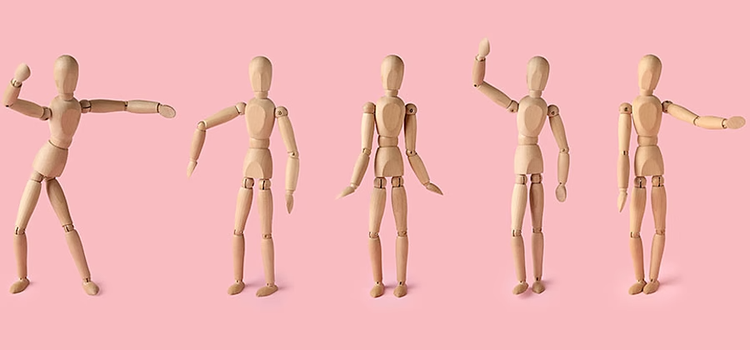
But what is stop motion? It is an animation technique created frame by frame, in which physical objects are manually moved and photographed at each minute change in position. There are several variations, depending on the object being animated. The most common are puppet animation, which uses marionettes with movable joints, and claymation, which employs clay figures. In model animation, puppets, models, or clay figures built around an internal armature are used. Stop motion with live actors is often referred to as pixilation, while the use of flat materials such as paper, fabrics, or photographs is known as cutout animation. Finally, especially with the advancement of digital post-production, hybrid techniques incorporating CGI have also emerged.
North America: the power of industry
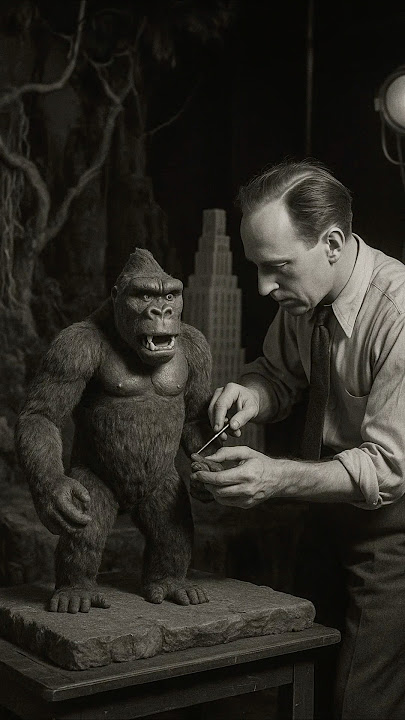
The United States played a central role in the industrial and artistic development of stop-motion animation. One of the key American pioneers was Willis O’Brien, who in 1933 showcased his remarkable skill and mastery of this still-rare technique in the film by Merian C. Cooper and Ernest B. Schoedsack, King Kong.
In the film, the character of Kong was an articulated puppet measuring approximately 45 centimeters in height, covered with rabbit fur to simulate realistic hair. The dinosaurs and other creatures were also meticulously crafted miniatures, animated with the same precision and care. All of this pushed stop motion to an exponentially higher level of sophistication for its time, setting new technical and artistic standards for the medium.
The artist who, more than anyone else, brought even younger audiences closer to this form of animation is Tim Burton. With his imaginative and fantastical approach, he combined stop motion with CGI for the most complex scenes, creating dark settings, musical elements, and a rich symbolic universe.
From this fusion came masterpieces such as The Nightmare Before Christmas. Over the course of three years, around 13 animators and more than 100 crew members—including camera operators, puppeteers, set designers, and prop makers—worked on the film. It features approximately 60 characters, almost all built in triplicate, resulting in nearly 200 puppets in total.
Another significant example is Corpse Bride, the first stop motion feature shot entirely with digital still cameras and employing the so-called “gear and paddle” technique. This method is based on a system of tiny gears inserted inside the characters’ heads, allowing animators to precisely control and change facial expressions.
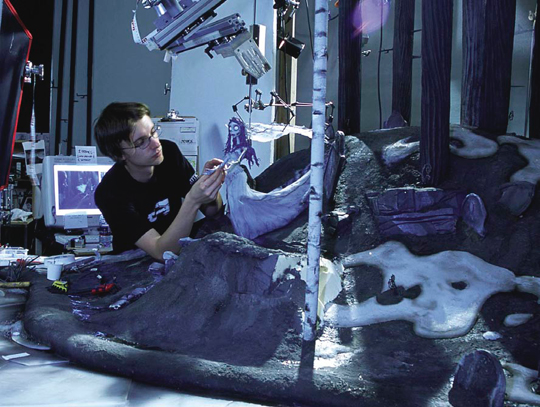
America is home to many major film studios, but the most influential contemporary studio is undoubtedly LAIKA, which presents itself to the public as follows:
“For over 20 years, LAIKA has fused storytelling with innovation—bringing unforgettable worlds to life through the collaboration of artists, makers, technologists, and engineers pushing creative boundaries.”
Its landmark production is Coraline, a 2009 American stop-motion animated dark fantasy horror film written and directed by Henry Selick. The film tells the story of a young girl who discovers an imaginative alternate universe behind a secret door in her new home, unaware that it hides something dark and sinister. The crew used three 3D printing systems to create every object seen on screen; thousands of high-quality 3D models—ranging from facial expressions to doorknobs—were printed in 3D.
Following the iconic success of this film, devoted fans are eagerly awaiting the release of Wildwood, set to arrive in theaters on October 23, 2026. All we know so far is that it is a tale of love, loss, sacrifice, and secrets—and of the magic you can find on your doorstep. The same magic that defines the studio’s storytelling.
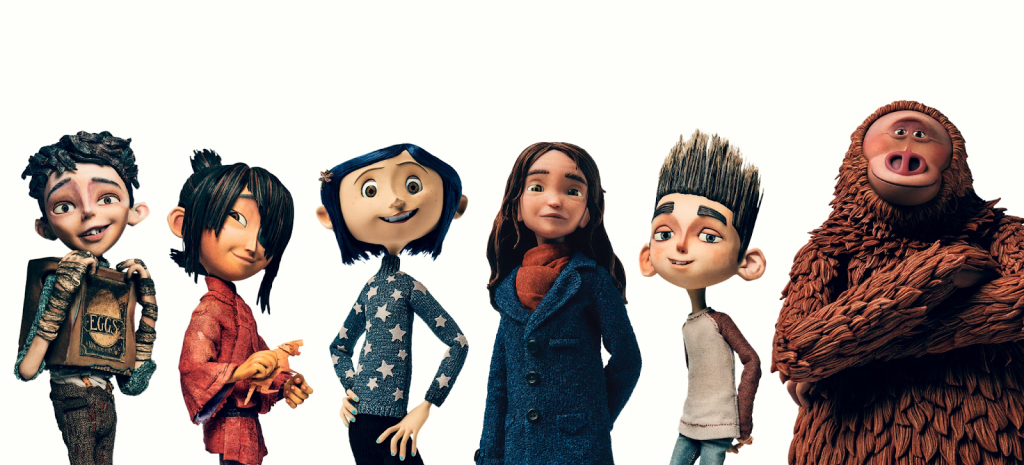
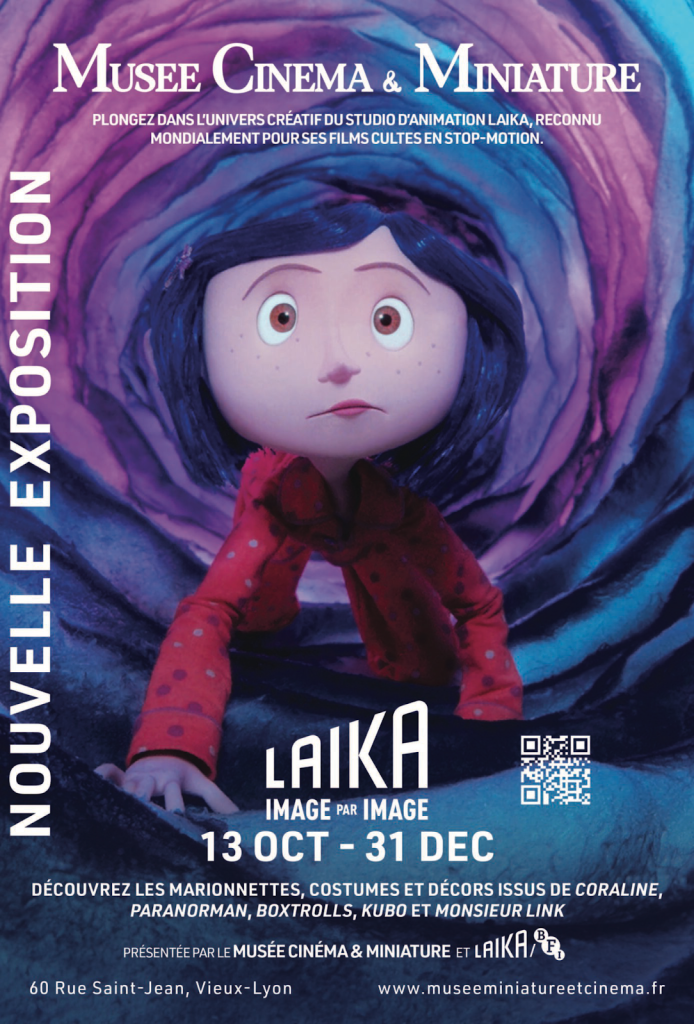
And if the wait feels too long and you wish to immerse yourself in LAIKA’s fantastic world, the Musée du Cinéma et de la Miniature in Lyon, France is hosting, in celebration of the studio’s 20th anniversary, the traveling exhibition Image par Image. It is a true journey through 700 original objects—puppets, sets, costumes, storyboards, and digital content—from the studio’s masterpieces, along with an exclusive preview of its upcoming film.
An exclusive French experience dedicated to the art of stop motion—not to be missed!
Latin America: Craft, Identity, and Experimentation
Over the past 15–20 years, Latin American stop motion has grown significantly, often developing a more handcrafted and politically conscious style, closely connected to folklore and historical memory. From Brazil’s independent productions with a strong visual identity—demonstrated by Minhocas, the first Brazilian stop-motion feature film—to Argentina, which carries a strong tradition of experimental animation, the region has shown remarkable vitality.
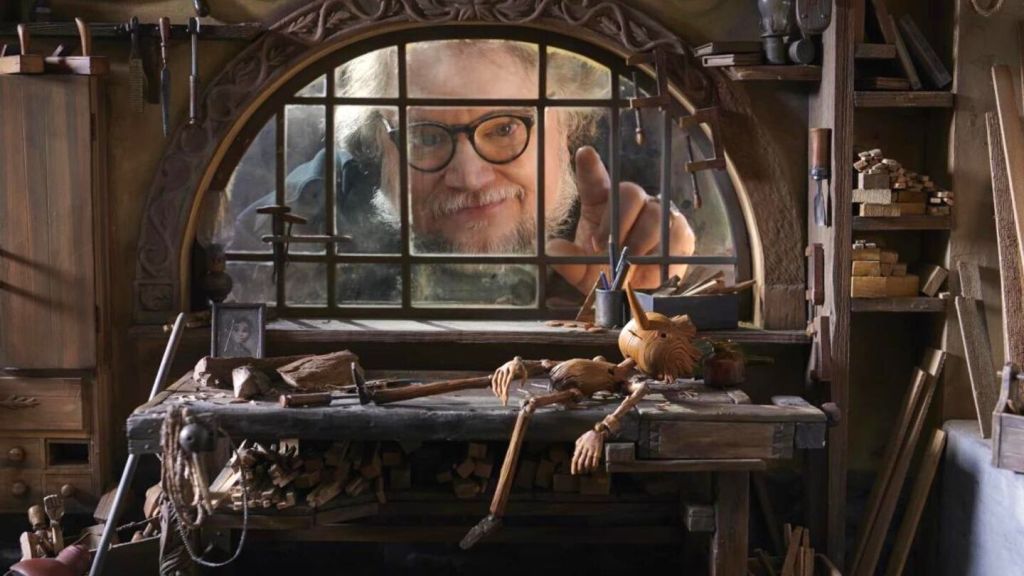
Certainly, the most structured hub is Mexico, whose artistic renaissance is largely due to Guillermo del Toro and his goal of showcasing Mexican talent to the world with the release of Pinocchio. After visiting his hometown, Guadalajara, he decided to found the first major South American studio: Taller del Chucho. He chose seven people with extensive experience in animation to help transform the project into a world-class studio and to train a new generation of talent.
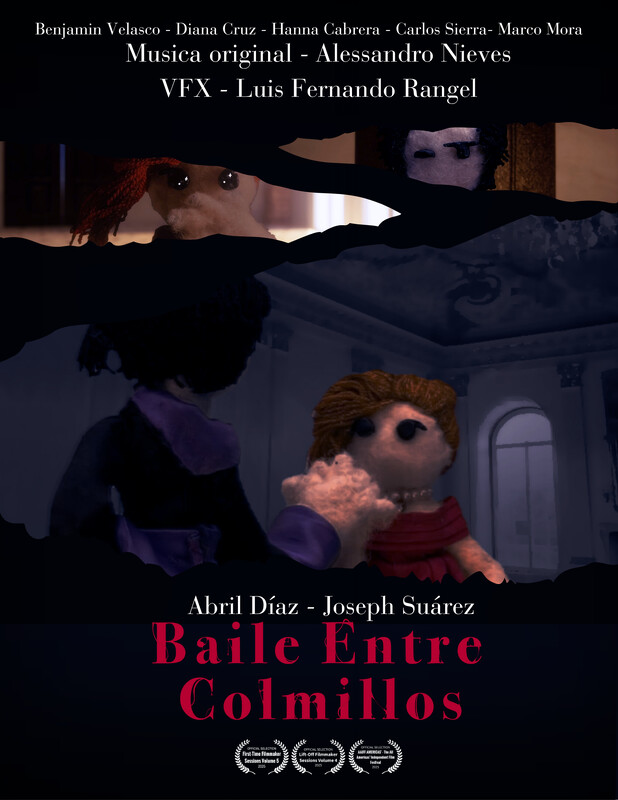
To discuss the importance of this studio—and other independent ones—for the development of stop motion in Mexico, we spoke with Abril Díaz and Joseph Suárez, creators of the student short film Dance Between Fangs, featured in the official selection of the AAIFF Americas’ Festival. The story is simple: a girl goes out dancing with her boyfriend but discovers that he is a vampire. It certainly reflects the darkness and mystery typical of its genre.
“I was very inspired by Pinocchio; seeing that some parts were shot here in Mexico encouraged me to give it a try as well.”
Abril begins, speaking about her passion for the genre, which was born after watching the masterpiece Coraline.
“We were supposed to take stop-motion classes at university, but because of the Covid pandemic we didn’t. There was an online course, but we didn’t have access to the facilities or hands-on work. After that frustration, we still wanted to experiment with the genre, also using 3D animation for the backgrounds. We started with nothing, building everything from the ground up,” continues her partner, Joseph.
For this short film—completed in just four months, truly a very short time—as their final project, the two students proved they could manage the production of an animated short on their own, developing a story and characters to bring to life entirely from scratch, even sewing the handmade costumes for their puppets with needle and thread. Their university supported them by funding a large part of the project, providing workspaces and all the necessary tools for the production and the creation of the puppets.
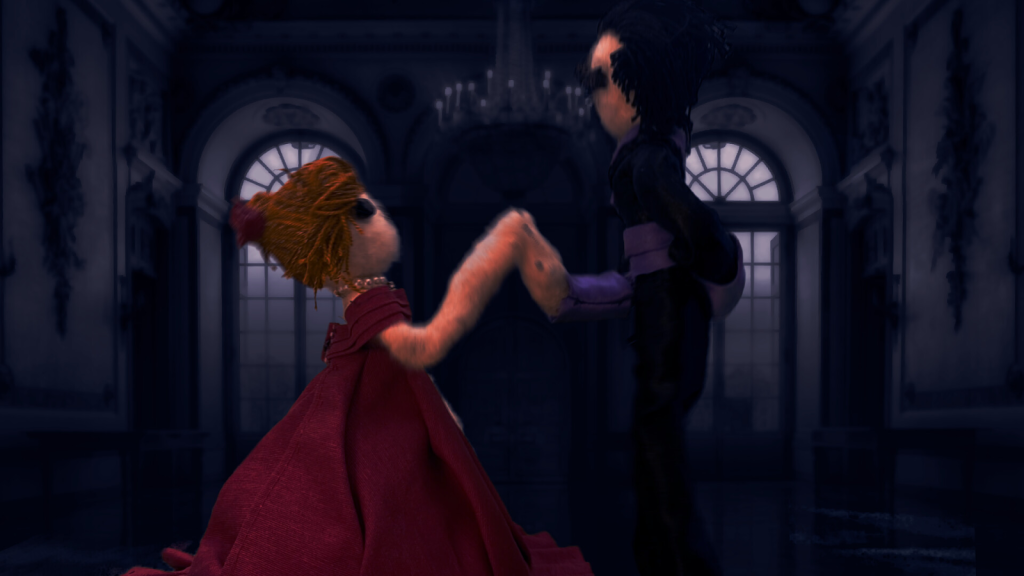
“In Mexico, people know how to animate, but they don’t have much experience in stop motion, and this began to change thanks to Taller del Chucho; artists had the opportunity to experiment with new techniques.”
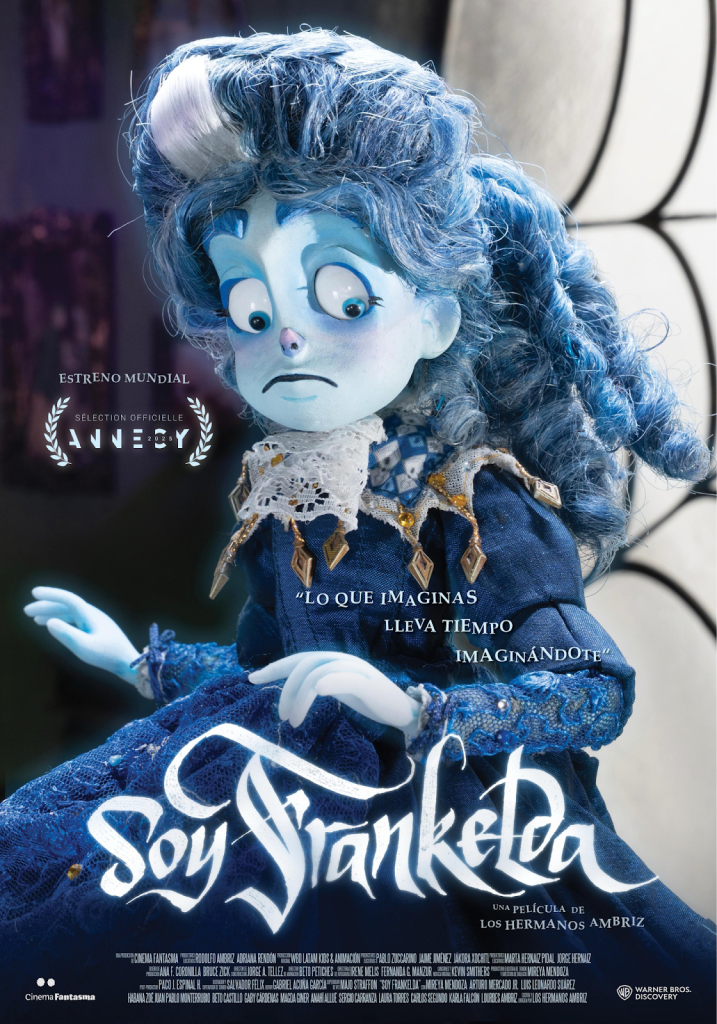
However, it is not the only studio in Mexico. As Abril pointed out, the industry is finally growing, like a domino effect that keeps expanding. In fact, Cinema Fantasma—a stop-motion animation, film, and art studio based in Mexico City—produced Soy Frankelda, a musical dark fantasy film written and directed by Arturo and Roy Ambriz, which was even distributed by Netflix in America. The story is set In 1800s Mexico, here the writer Frankelda embarks on a journey into her subconscious where she faces the creatures born from her stories to restore harmony between the real and fantastic world.
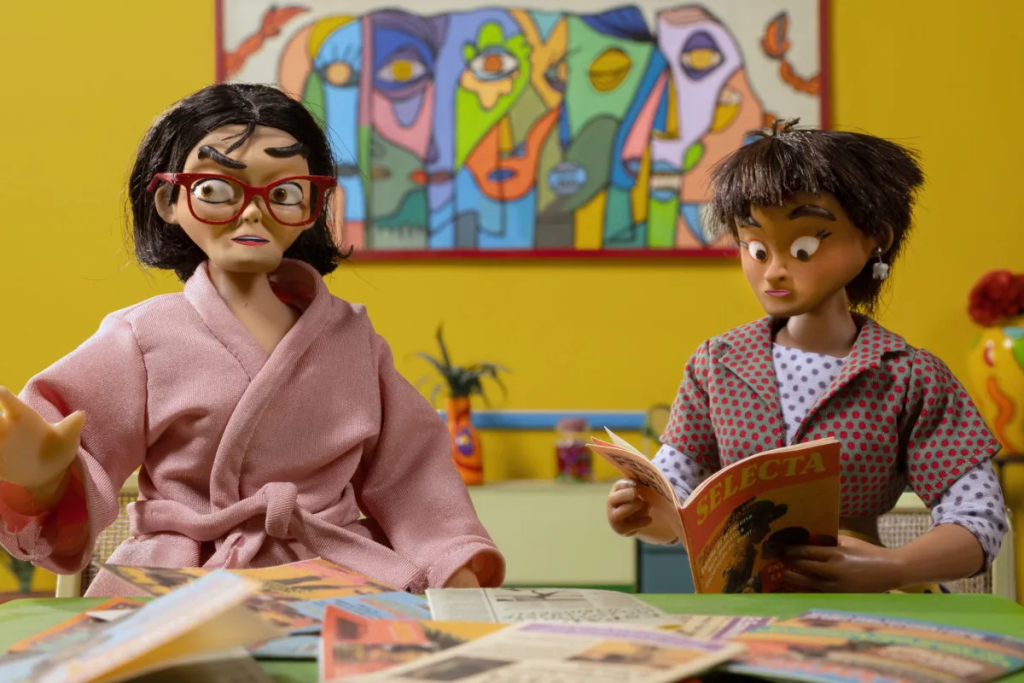
In June 2024, at the Annecy Festival, the puppets of Cinema Fantasma appeared in the queer and extravagantly Latin series Women Wearing Shoulder Pads by Pedro Almodóvar, distributed by HBO in collaboration with Adult Swim. And not forgetting smaller creative studios such as Moira Animation Studio, whose first stop-motion short film, Amelia, is currently in progress and coming soon.
The structural difference between a film studio like Laika and the small-to-medium studios of Latin America is obvious, but not limiting. If Laika represents the industrialization of stop motion, Latin America embodies its handcrafted, political, and experimental dimension. With significantly smaller budgets and primarily festival-based distribution, it demonstrates a strong creative identity appreciated by its audience, waiting to be re-evaluated for the great potential still hidden from the eyes of the world.
NOTE : If this article has sparked your curiosity and you’d like to learn more, don’t miss the next ÉCU Friday Live Podcast on February 27 at 12:00 PM (Paris time), focusing on the work and techniques behind Stop Motion and the different types of animation, as told by our special guests. You can listen to it on Spotify or watch the live stream on YouTube. .
 English
Leave a Reply