I never subscribe to Dry January. No alcohol in the whole month followed by post-Christmas lethargy proves bleak in a more frigid wintertime. Alcoholics desperately resuscitate the late spirit of binge drinking and let it triumphantly seep into the flow of the time. A bold move, indeed. Perhaps instead of being soaked in sweet-tasting ethanol, we can enjoy a few films themed with booze and explore how close we are with it, how much it takes over our daily lives, and how far people can be driven by intoxication.

A man sleeping on a park bench was assaulted and ended up in a coma with no memory of his biography whatsoever. The sort of kafkaesque opening brings us the Man Without a Past (2002) who set out to find his identity. On his journey, frequented bars serve as an interchange nexus of the urban working class, where alcohol is fixated in the interaction of the protagonist with others. Substance-induced amnesia is not explicitly confirmed though, we will see how alcohol works as a coping mechanism of his personal struggles.
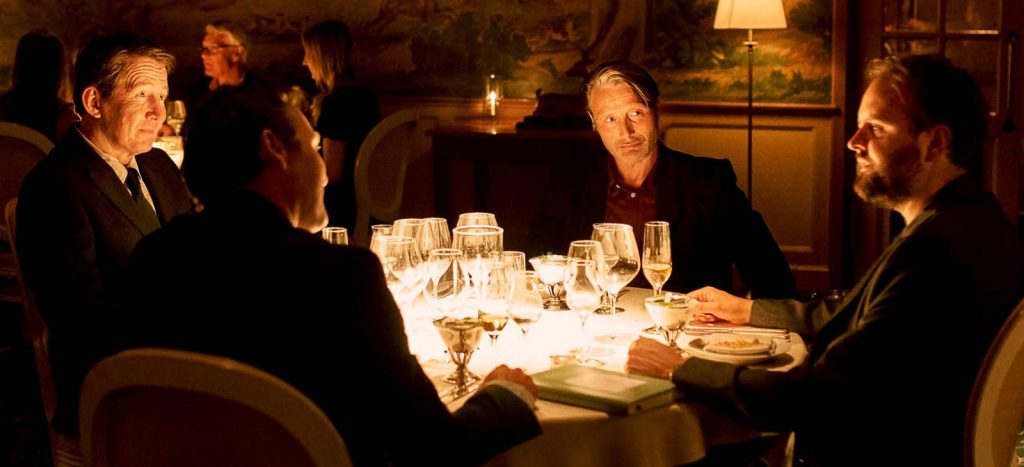
Unlike the previous film’s muted colours and harsh realities, Another Round (2020) takes a different step in discovering the relationship with alcoholism and existential crisis of middle-aged white men. Booze is not some kind of tempting potion leading people to uncontrolled irrationality, rather than a controlled variable in a novice experiment, which, well at least, is what the protagonist and his male clique believed. They subscribe to a theory that a few drops of alcohol in the body can prove beneficial in living a better life. Those laid-back vibes and rowdy scenes seem to be convincing evidence enough to recognise the cathartic power of booze. When the plot thickens, the boundary between moderation and excess becomes blurred. The anarchist spirit of human beings falls upon them in the disguise of freedom.

Alcohol involves the liberating force of life and intergenerational domestic struggles in equal measure. Frida in the film Summer 1993 (2017) was sent to live with her aunt in rural Catalonia after the death of her mother. The adults cope with pain and grief of the loss by consuming alcohol quietly on a daily basis whereas the confrontation of alcohol is much absent in Frida’s new life. She learns to come to terms with the tragedy by adjusting to the new environment and establishing a healthy relationship with the new caregivers. Alcohol may not be a focal point of her experience though, certainly adds the second layer to the film providing a subdued, pensive backdrop of the emotional upheaval she is undergoing.

When alcohol is consumed, it is much of a temporary hedonism to escape from dissatisfaction that permeates lives. Jep Gambardella in The Great Beauty (2013) is a precise embodiment of nihilism who is reluctant to confront the depth of human conditions. Living in the 60s Rome, he is a wealthy, cultured journalist and spends much of his time indulging in lavish parties, art discussion and endless extravaganza. Alcohol is beyond doubt ubiquitous in the film. It begs the question how far the decadent lifestyle can make a man fall and what will be left after the pompous superficiality of this social engagement.
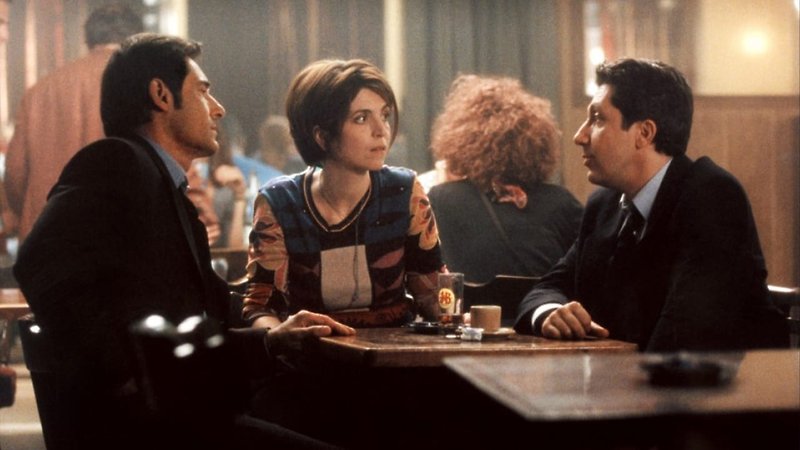
Drinking is divisive yet unifying, a bridge yet a boundary, fills socioeconomic gaps between drinkers yet contrasts class distinction of drinking rituals. The Taste of Others (2000) sheds light on the social aspect of alcohol consumption. Unhappy marriage, fleeting affairs, rumours and disagreement all are interwoven in a convivial dinner party of close friends. All the caprices and moods are hidden behind the rounds of glass-clinking and exchange glances.
Here is our newly picked collection of the season. Hold your horses, it’s not the time to drink yet. Alcohol consumption is commonplace in films. Some filmmakers may use it as a cinematic device to create an atmospheric setting, actors as a prop to work with, characters as a legitimate means of action to boost relatability to the audience, films to level up the complexity of plots. Alas, it may come at the cost of a soft advertisement for alcohol to minors. According to the article Exposure to Alcohol Content in Movies and Initiation of Early Drinking Milestones1, early exposure to alcohol in films is associated with early alcohol involvement, especially in the context of consuming media with friends and peers. Drinking scenes are often instrumental in normalising drinking behaviour among underage youths, which they deem something desirable and tempting. So when you take Another Round, think about it. Now let the wine flow and make a toast to the reflective power of films.
Written by Zhuoyi Li
- Jackson KM, Janssen T, Barnett NP, Rogers ML, Hayes KL, Sargent J. Exposure to Alcohol Content in Movies and Initiation of Early Drinking Milestones. Alcohol Clin Exp Res. 2018 Jan;42(1):184-194. doi: 10.1111/acer.13536. Epub 2017 Nov 29. PMID: 29193150; PMCID: PMC5750090. ↩︎
 English
Leave a Reply