
Award Winners at ÉCU 2026: Theodoros Tziatzios, Yash Saraf, Henri Ikonen & Ella Koponen, Guillaume Levil and Philos Maurice Klein
Written by Pia Stoffers
At this year’s ÉCU, the independent film scene showed what truly great cinema is all about. Packed with creativity, bold storytelling, and distinctive artistic voices, the films turned the cinema into a place full of new perspectives and genuine emotion.
From fascinating documentaries and striking music videos to imaginative narratives, this year’s indie film selection brought voices from all over the globe to the big screen — each with its own unique take on the world around us. And that’s exactly what makes independent filmmaking so exciting.
The festival’s mission remains as relevant and inspiring as ever: to make the world a little better with every indie film. With the 26 winning films of the Official Selection 2026, it certainly delivered!
Feeling curious already? Then let’s dive into some of this year’s award-winning films.
A Year of Precision and Vision: Celebrating 2026’s Editing and Cinematography Awards
Irrevocable Sentence is a European dramatic short film by Theodoros Tziatzios, which well-deserved received the award for Best Editing 2026. The jury praised its cinematic editing as both artistically and technically outstanding.
Through the sophisticated combination of individual shots and visual elements, the film creates a distinct rhythm, emotional depth, and narrative meaning that make it truly stand out. So, what is Irrevocable Sentence exactly about, and what makes it so special?
THEODOROS TZIATZIOS – IRREVOCABLE SENTENCE

When a courtroom outcome leaves Alexis — a charismatic dance-school owner — walking free, Andreas, a quiet ex-military musician, refuses to let procedure be the final word. He plans with the precision of a metronome and draws his target into a stark, after-hours parking structure where every footstep counts. What begins as a measured demand for truth tilts, beat by beat, toward an irreversible decision.
Born in Thessaloniki in Greece, Theodoros Tziatzios worked many years in motion graphics and 3D animations before founding the production company Real Creations E.E. in 2007. He has since directed and produced more than 500 projects, including TV spots, corporate films, and visual effects, before turning to short filmmaking. His background in audiovisual production strongly informs his directional work and is clearly reflected in Irrevocable Sentence.

At the festival, this short film captivated the audience with a tension-driven narrative and striking visual execution that stands out within the independent film scene. Shot in sharply composed, high-contrast imagery, it evoked classic noir aesthetics while following a tightly structured rhythm shaped by musical discipline. Piano phrases and an almost mechanical editing style give the narrative its own momentum throughout the whole film.
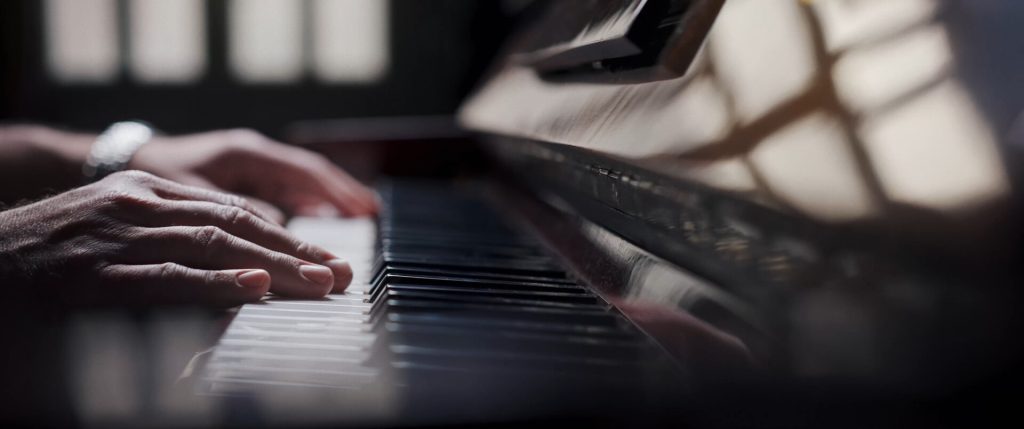
As the story unfolds over the confined timeframe of a single night, shifting between the aftermath of a courtroom decision and a confrontation in a closed city garage, heightening tension through spatial and temporal compression. Lighting, music selection and dynamic camera work immediately draw attention in the opening sequences, with shifting perspectives—especially overhead shots—creating strong visual impact and orientation.
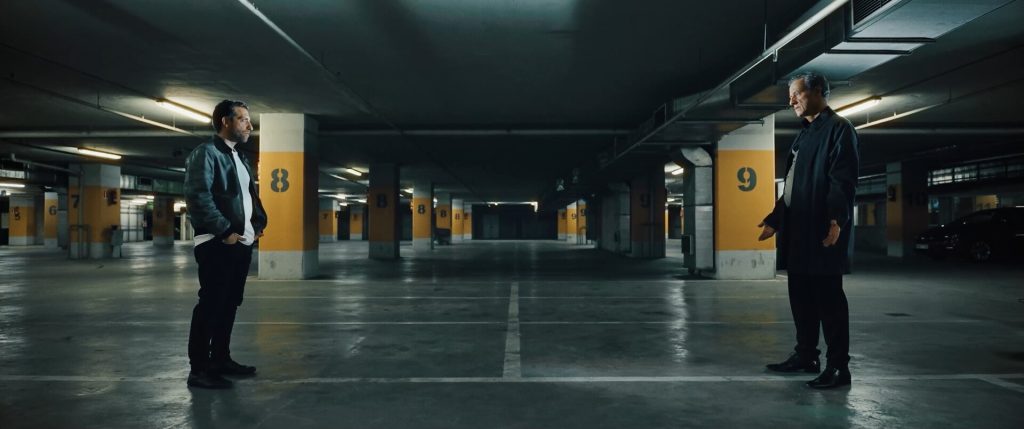
In the final moments, a single message then reframes the perspective and turns certainty into a lasting consequence pictured through a specific film technique called Bullet Time in which time appears to freeze while the camera moves around the scene. It allows intense moments to be shown from multiple angles, emphasizing high-intensity action and stretching perceived time for dramatic effect.
If you are looking for a film that is both gripping and a true cinematic achievement in editing, Irrevocable Sentence is always the right choice! It is no coincidence that the film received the award for Best Editing at our festival this year.
And the award for Best Cinematography 2026 in the Non-European Dramatic Short category? It goes to Moti produced by Yash Saraf. Yet the film’s strength lies not only in its outstanding visual composition: with both tension and subtle humor, Moti conveys its message in a way that is both entertaining and thought-provoking. From beginning to end, the short keeps its audience captivated while meanwhile raising the question: Where does the joke end and where does the truth begin? Let’s take a closer look at this award-winning film.
YASH SARAF – MOTI
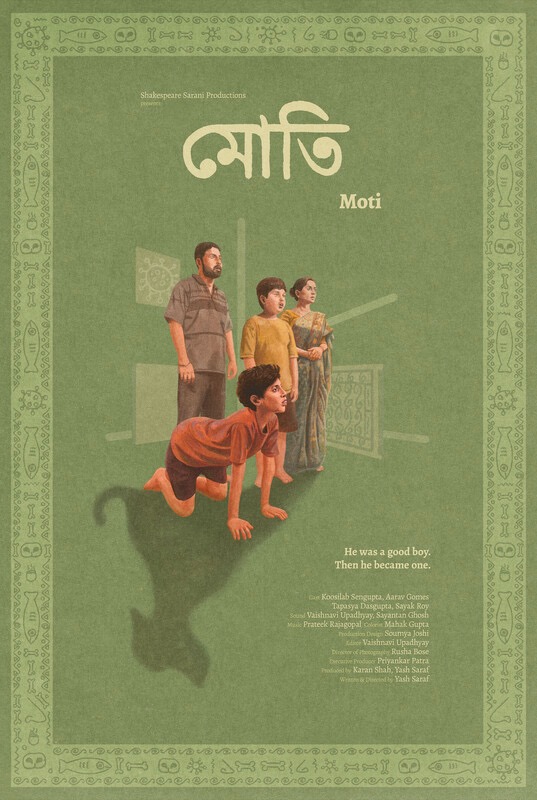
Here’s what Moti is about: When a dog suddenly turns into a boy, his bewildered owners rush him to the hospital. The diagnosis — evolution. But as Moti slowly becomes human, he loses what made him himself: his extraordinary sense of smell, his instinctive way of moving through the world. Set during the pandemic, the film explores the absurdity and unpredictability of life.
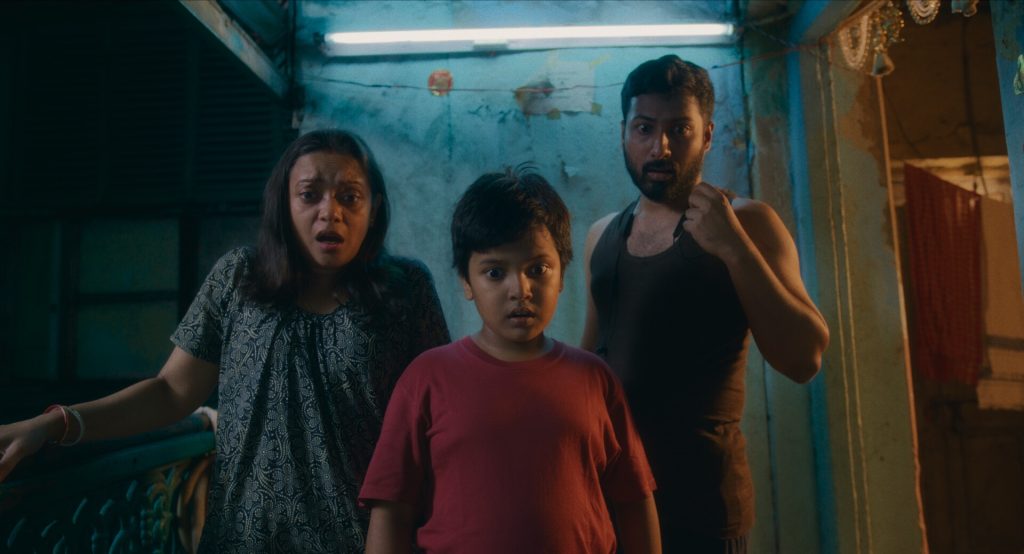
Yash Saraf is an Indian filmmaker from Kolkata, West Bengal. A graduate of Stanford University in Comparative Literature, he is currently a Directing Fellow at the AFI Conservatory and previously worked as a writer’s assistant to Indian auteur Anand Gandhi. Moti, his debut short film, was shot on location in his hometown Kolkata and has since screened at over 40 international festivals.
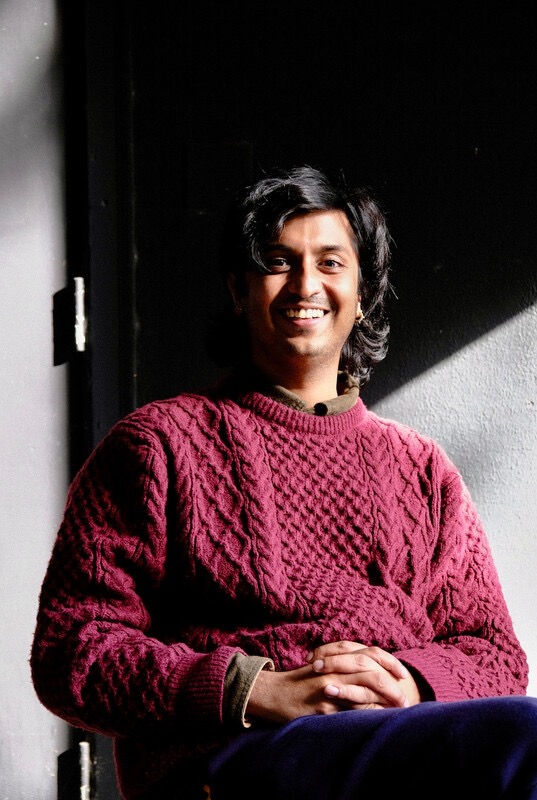
Saraf describes Moti as his Indian take on Kafka’s Metamorphosis and Gogol’s The Nose — absurd, local, and firmly rooted in the messy realities of the 21st-century Global South. At once a deadpan joke and a bittersweet elegy, the film looks back on the disorientation of the COVID era as a parable about what we lost when the old world ended and an uncertain new one began.
In just sixteen minutes, Saraf creates an allegory that captures everyday life in Kolkata in all its complexity — the fear and bafflement of neighbours confronted with the inexplicable, the rigid bureaucracy of the hospital system, and a resolution that emerges outside of any official framework. Together, these elements form a layer of social critique that captivated both the ÉCU team, the jury, and the audience.
From Classroom to Screen: Inside an Award-Winning Student Animation
Moving on to another category of the ÉCU 2026: Best Student Film. This year’s winner is The Beanie (Pipo) — a film that stayed with our team, and with the jury.
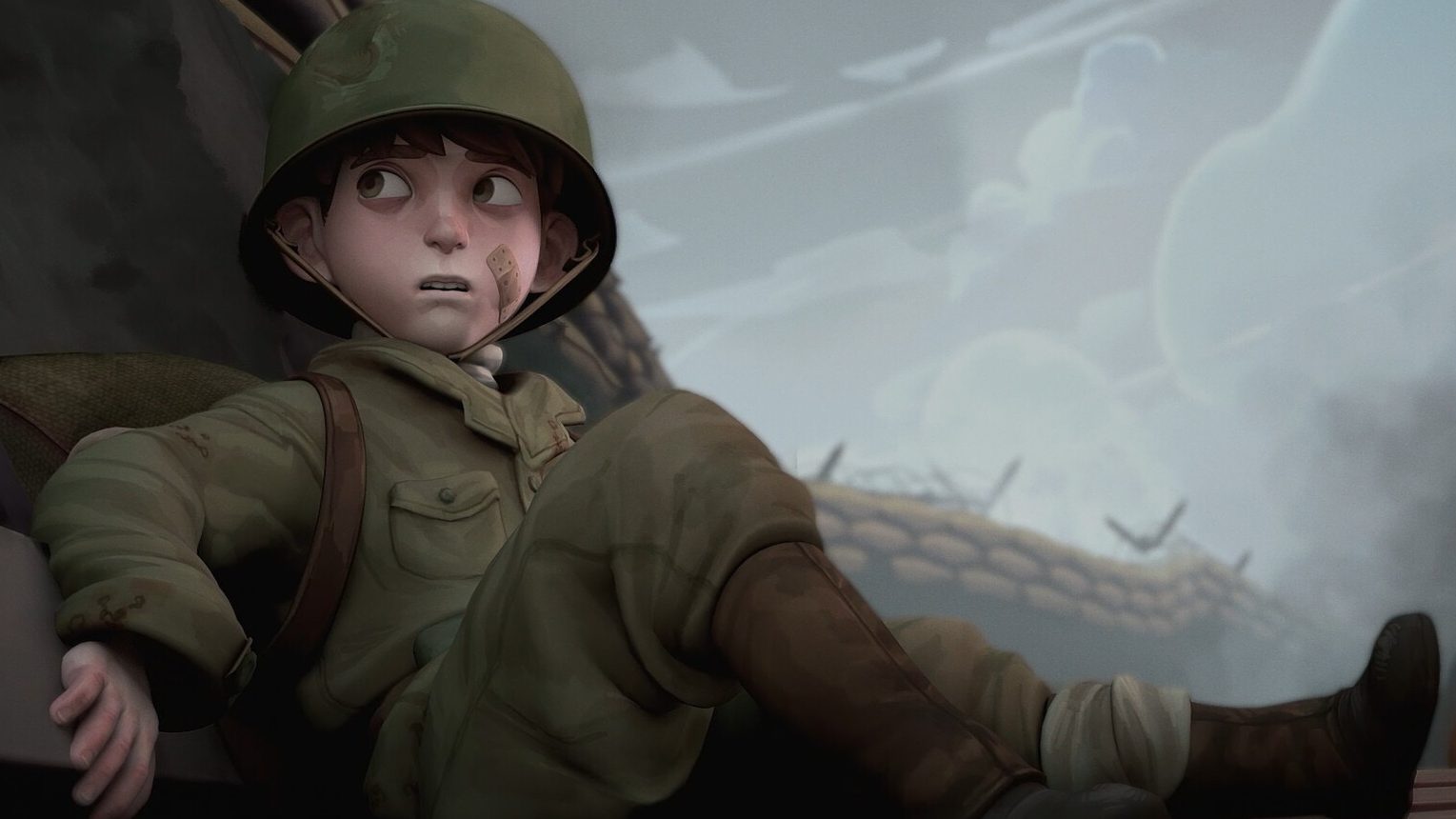
The Beanie is a 3D animated short that definitely deserves special recognition. It is a student production that tackles the experience of a school boy trapped in the vicious cycle of bullying. The storyline builds on the experience of the protagonist in the short film, where neither fear nor anxiety distort a seemingly safe environment into a battlefield. This film makes us all question, what does it feel like to live in constant fear?
HENRI IKONEN & ELLA KOPONEN – THE BEANIE
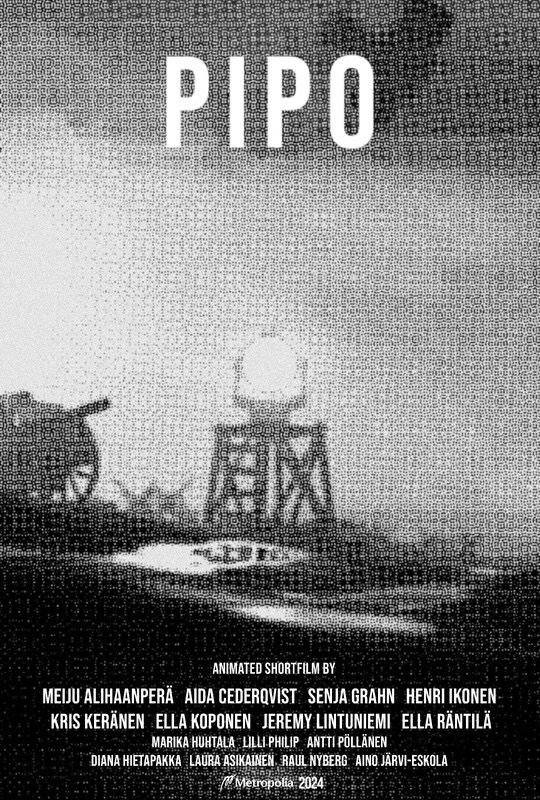
At morning recess, a young schoolboy hesitates at the edge of the schoolyard, where his fears twist the playground into a chaotic battlefield. Trapped in this war-torn vision, he must navigate relentless threats and summon the courage to press on. But is it all just play—or something far more sinister?
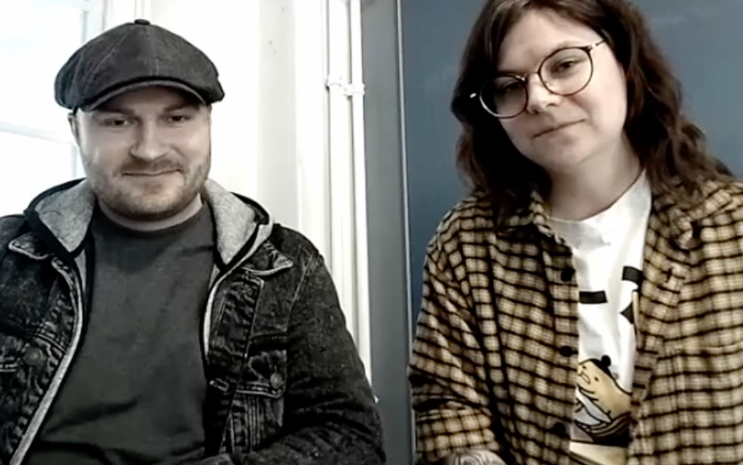
We spoke with Henri Ikonen and Ella Koponen, the creative minds of this project, to learn how the story came to life and to gain deeper insight into the making of the film.
What began as a university brainstorming session grew into something that clearly struck a nerve — and, as this year’s jury would agree, into one of the Best Student films at ÉCU 2026. For Ikonen and Koponen, it all came down to finding a story with universal roots.
“We collaborated with the narrative writing students here at the school and started discussing themes such as bullying, schooling, and bullying in general, and how these experiences affect not only the individuals directly involved, but also the people around them. Through conversations about real-life emotions and situations, the foundation for the story gradually took shape.”
While Henri led the technical production, Ella drove the narrative design. Both worked together as a seamless creative team throughout! Their starting point was the quiet, grinding emotional toll that a bullied child carries into school every single day. From there on the whole storyline began to take shape with the playground as a battlefield, and the third-grade classroom as a theater of war.
The Beanie draws a parallel between the language of conflict and the daily reality of being a target, turning what might seem like a small, childhood struggle into something deeply emotional. Bullying is not a niche subject. It is a childhood experience, and Ikonen and Koponen have found a way to make it felt, not just understood.
Now let´s turn to another category and with that to another remarkable film that has definitely left an impression on the independent cinema scene at ÉCU 2026. Je t’écris / I Write You by Guillaume Levil received the award for Europe’s Best Independent Documentary this year. Documentary films like this take the audience on a very specific journey —one that is less about geography and more about perception, communication, and reflection.
GUILLAUME LEVIL – JE T’ÉCRIS / I WRITE TO YOU
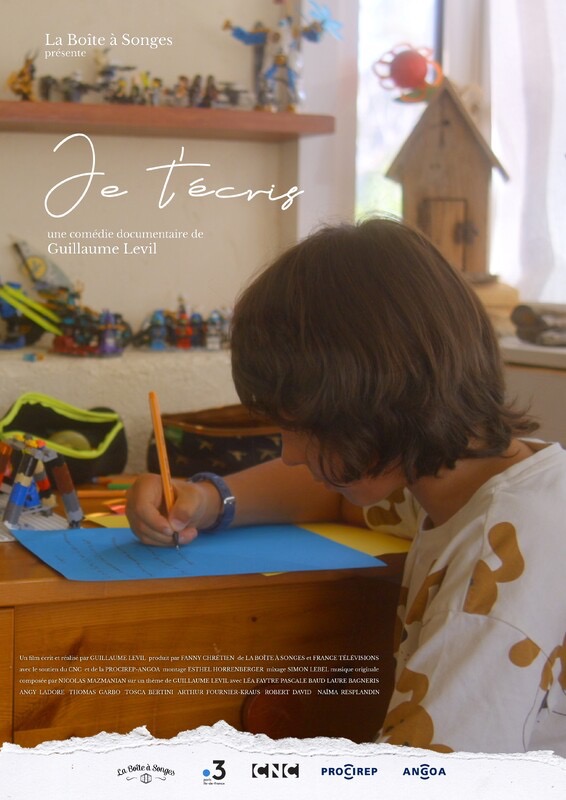
I Write To You is a documentary and a comedy that questions us about the language written in our speedy society: has this form of expression completely disappeared or just mutated? Do these changes have an effect on morals? To answer are collected experiences and humorous opinions of teenagers, a public writer, and language specialists…
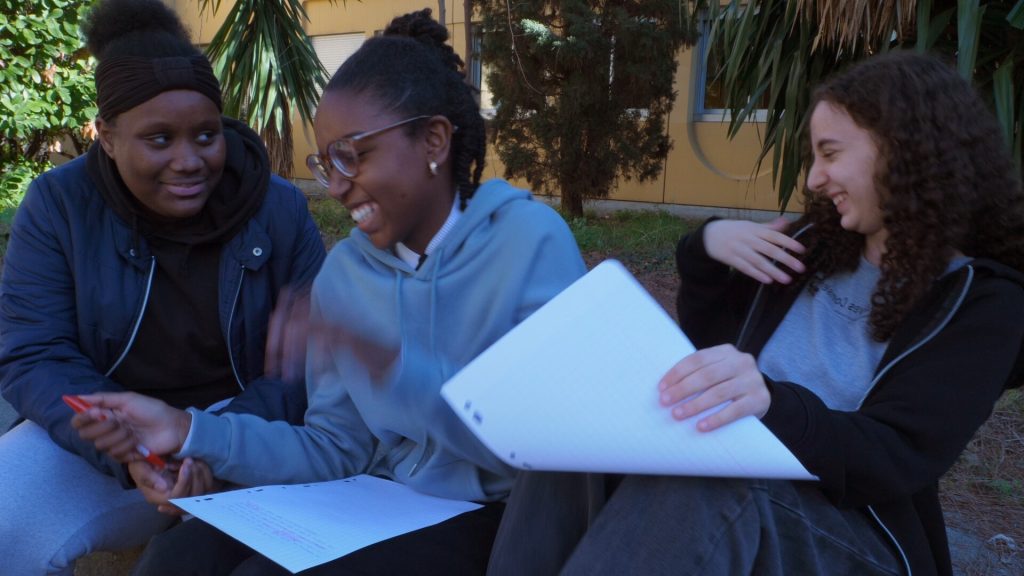
Guillaume Levil is a writer, director, and producer across both documentary and fiction, his work has earned well deserved attention, not only at ÉCU! One of his documentaries Le Problème du pantalon was shown on television, while his short fiction film Courir toute nue dans l’Univers was broadcasted on France 3 and OCS. He also co-wrote La Valise rouge, nominated for the 2023 Academy Awards on Arte. And at this year’s festival, he brought I Write To You to ÉCU — and received the award as Europe’s Best Independent Documentary.

With I Write To You, Levil manages to portray a mirror to a society that has swapped the considered sentence for the quick reply — and hasn’t quite figured out what it lost in the process. Not just in terms of language, but in empathy, nuance, and the way we connect with each other. The film doesn’t aim to lecture us, it just simply asks the question, and leaves the rest to the audience!
Even after the festival, the film’s message continues to resonate, and we are excited to see what Levil will bring to the screen next.
A Music Video between Art, Spirituality and Freedom
Now let’s move on to a category that deserves a spotlight of its own: Europe’s Best Independent Music Video. This year, the jury’s unanimous choice was Follow This Down directed by Philos Maurice Klein, performed by Rufus Coates and Jess Smith. But what made it so special?
PHILOS MAURICE KLEIN – FOLLOW THIS DOWN
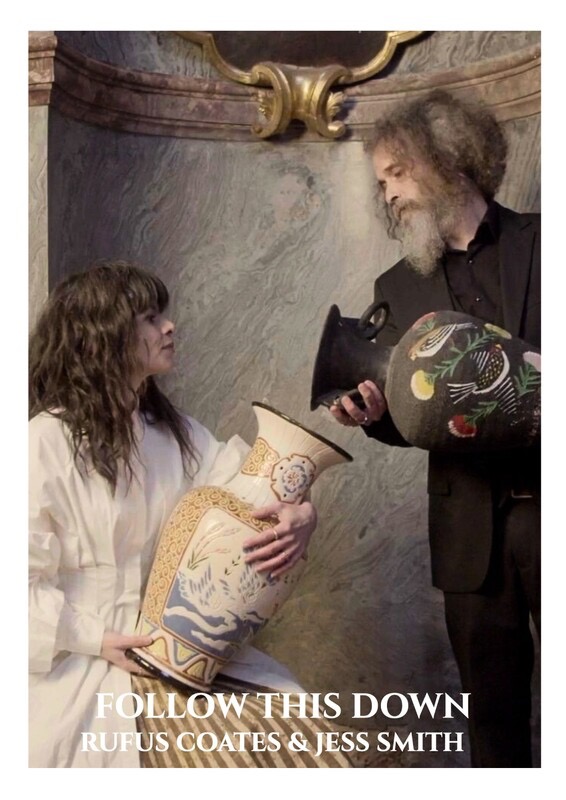
Follow This Down is a mantra to help us remember to follow our own path and navigate our own way through a world filled with competing narratives.
Philos is a multi talented artist, musician and film director raised in Italy in a creative family. His path reaches from music, photography and painting before turning to film as the medium that could hold everything together. He studied at the Art Academy in Carrara before being accepted at FilmArche in Berlin where he then started working as a film director.
Today he combines film and music, inspired and shaped by his interest in topics about humanism, spirituality, and the intersection of different art forms. With Follow This Down he emphasizes the independence of thoughts within a society full of conflicting approaches, trying to acknowledge to make your decisions based on your own convictions and experiences despite all the inconsistent voices around you.
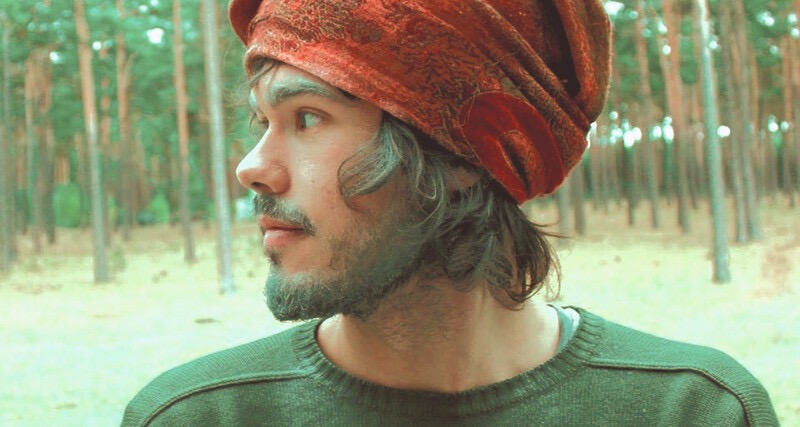
The music video earns its award: the scenery is striking and deliberately mysterious, pulling the audience into a world that feels both otherworldly and at the same time oddly familiar. Paired with the music, the effect is seamless — a carefully constructed atmosphere that invites you to slow down, look closer, and find your own way through.
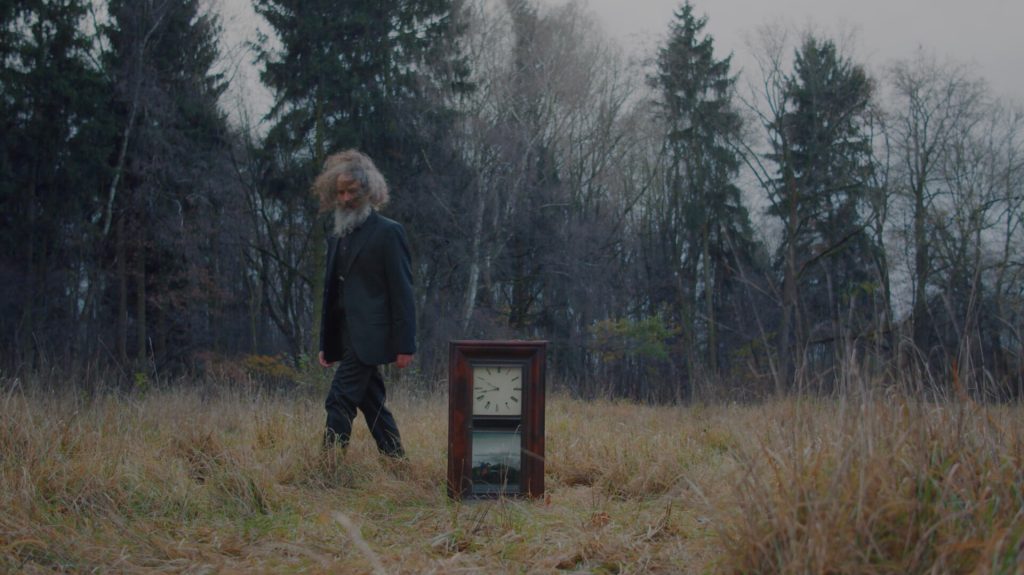
Follow This Down leaves a lasting impression — visually arresting, thought-provoking, and quietly fascinating. Winning Europe’s Best Independent Music Video at ÉCU 2026 feels like the beginning of something. We can’t wait to see what Philos has up his sleeve next.
 English
Leave a Reply