
Meet this year’s highlight films with: Béla Baptiste, Mohammadhossein Nikzad, Joshua Mueller, Esteban Roel and Rita Heer.
Written by Pia Stoffers
After an exciting ÉCU 2026 weekend, this year´s winners have finally been announced. The selected films not only captivated audiences in cinemas, but also impressed both viewers and jury members with their strong creative vision and innovative storytelling.
Each film brings something unique to the table—engaging, inspiring, and leaving a lasting impression. Within the independent landscape, many also stood out for the relevance of the themes they explored, the precision of their direction, and the convincing performances of their casts.
Beyond European productions, films from around the world brought their own originality and refinement to the festival’s programme, reinforcing once again that cinema knows no geographical boundaries and resonates with equal intensity across continents.
Collectively, the 26 winners of ÉCU 2026 deserve recognition for enriching contemporary indie cinema with new perspectives and bold ideas.
So, let’s dive deeper into some of this year’s winning selections!
Drama beyond borders: A closer look at the Non-European Winners
Among the winners of the Non-European Independent Dramatic Films category, The Obelisk by Béla Baptiste as the Best Dramatic Feature Film and The Third Dream as the Best Dramatic Short directed by Mohammadhossein Nikzad stand out for their narrative approach, direction, and visual composition.
Both films are emotionally challenging and at the same time question our perception of reality. They create worlds in which truth is no longer stable, where reality appears fragile, and neither characters nor audiences can fully trust what they really see, hear, or remember.
BÉLA BAPTISTE – THE OBELISK

In a collapsing America, David travels through a devastated landscape, driven by the need for relief from his severe physical and mental condition. In the wilderness, he forms an uneasy alliance with Pliny, a mysterious veteran, to pursue the truth behind the nation’s downfall—only to discover a web of misinformation and hidden agendas that runs far deeper than anticipated.
Tension between perception and reality lies at the heart of Béla Baptiste´s work. Raised in Paris within an Austro-German theatre family, the writer and director of The Obelisk was early exposed to the notion that truth can be performed, staged, and reshaped. That push-pull—European self-reflection meeting a touch of American daring, courtesy of his current home, New York City—shows up in many of his films.
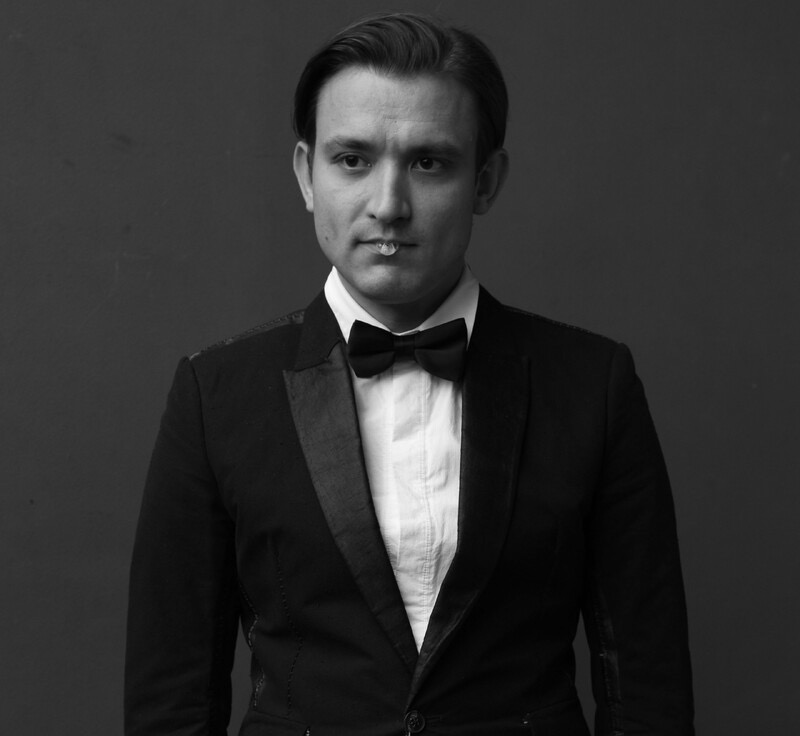
Awarded Best Non-European Independent Dramatic Feature, The Obelisk pictures an exploration of human resilience, following the protagonists as they navigate loss, conflict and unstable moral ground. Through intimate emotional struggles shaped by broader social tensions, the film offers a layered portrait of endurance under pressure.
Baptiste describes the film as a post-apocalyptic road film about conspiracy, disillusionment, and the search for truth in a divided America. It follows two men convinced of their role as heroes in a fight against the system, only to gradually confront a reality that is more human and less complex.
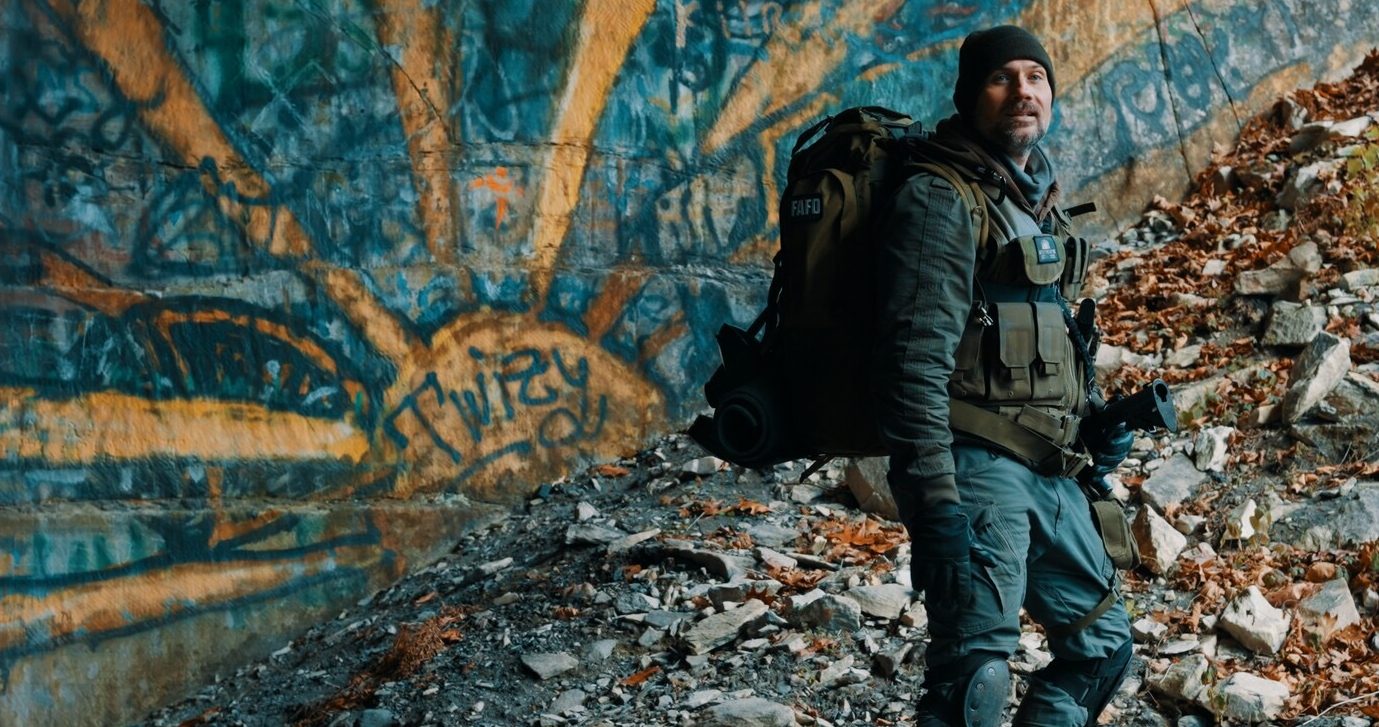
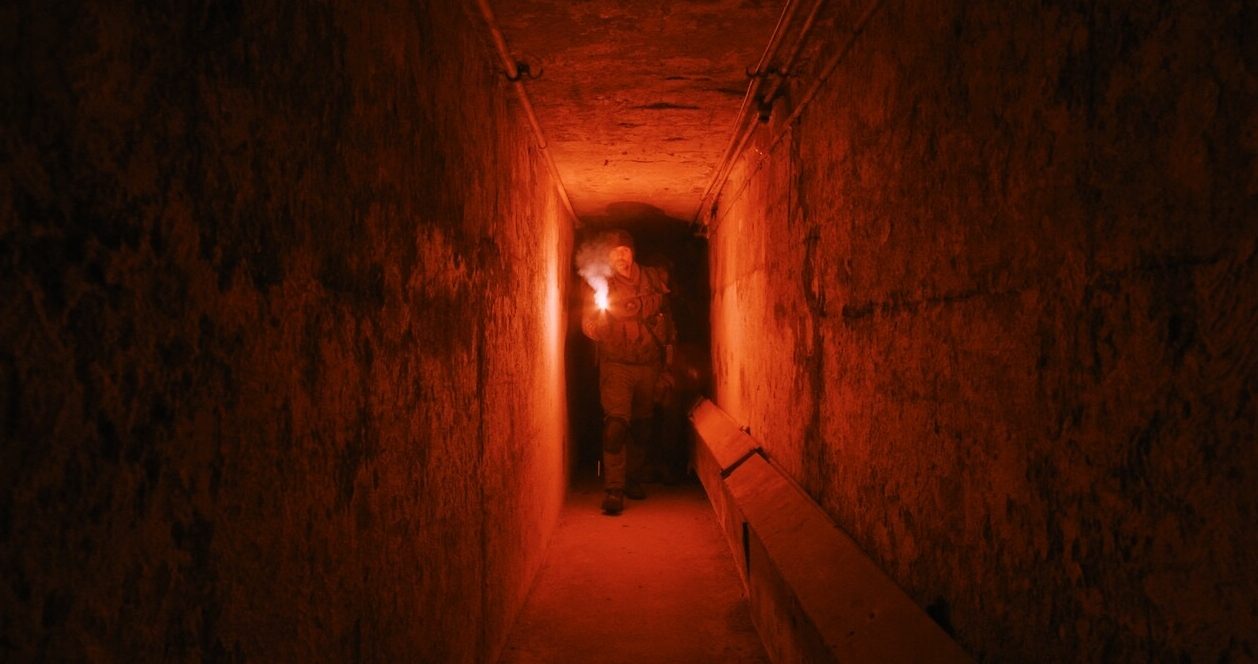
Let’s explore more about the film through exclusive insights and find out how it came to be!
The idea for The Obelisk emerged during the COVID lockdown 2022 from a long-standing friendship between Béla Baptiste and not only his co-writer, but also protagonist of the film Alexey Hartlieb-Shea, eventually evolving into a shared creative ambition.
“So, I used to live in New York and I talked to one of my closest friends, Alexey Hartlieb-Shea, who is the co-writer and also the star in the movie. He lives in Vermont and we both started to speak about making a feature. We observed a little bit of what was happening around the world — the distrust, the mistrust and all the concepts about paranoia and division. Because we worked on this field in short movies we wanted to work together on a project.”
From these early conversations and experiences, the project quickly began to take shape against the backdrop of broader global developments that influenced its themes and tone. As the concept evolved further, Baptiste reflected on the creative decision-making process, which then defined their approach to filmmaking in The Obelisk:
“We thought there are two ways of making a movie. Either we get the exact ingredients when something is needed, or we go full in, where one would open the fridge and see what ingredients we have surrounding us and how we can create the story that way.”
Once the project gained clarity, key collaborators joined at different stages: cinematographer Viktor Schaider was brought on board through prior working relationships, while producer Emma Schlenoff became involved through Alexey’s introduction.
Emma Schlenoff was immediately drawn to the concept and its potential, despite the challenges ahead. What began with early discussions and location scouting in Vermont, quickly developed into a process driven by curiosity, trust, and shared ambition. Together, they formed a small but tightly connected team to bring the project The Obelisk to life. This film is not only an award-winning feature at the ÉCU 2026, but also the beginning of friendships that extend beyond professional boundaries!
Shortly after the team´s first meeting, the first 15 minutes of the film were created, initially developed as a form of trailer for at that time a pilot project, designed to support further financing and creative expansion, when an unexpected turn of events occurred: one of the lead actors had to be replaced.
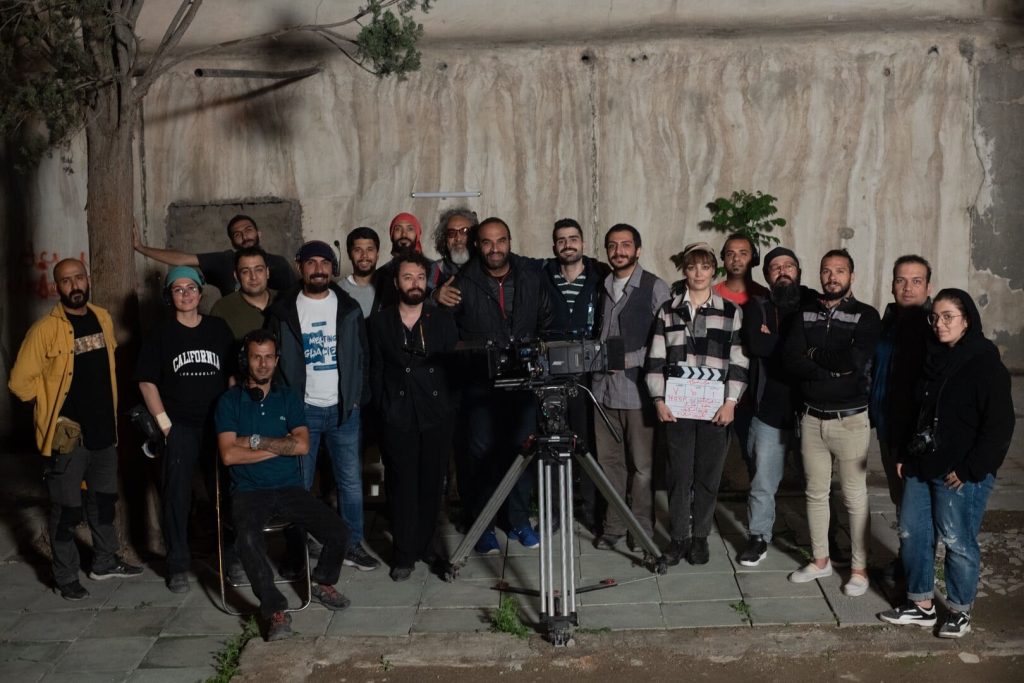
Viktor Schaider recalls that what initially appeared to be a significant “setback” soon turned into a productive shift. With Gino Anthony Pesi stepping in as Pliny, alongside Dolly Lewis as Elizabeth Benning and Alexey Hartlieb-Shea as David, the project found a compelling recasting. With the final ensemble in place, the team went on to complete their main plot in just 32 intense shooting days in different locations almost entirely outside.
“It was a wild time together, to all work and live together. Although the schedule was officially six shooting days a week, in reality it often felt closer to seven. The cast and crew shot almost everything outside in November across 45 locations, so it was always in the cold and in rugged areas, turning the entire production to an adventure.”
But beyond the shooting itself, the editing process also had a very particular rhythm to it. Béla Baptiste describes how the final editing phase took place in Vermont—directly at one of the original shooting locations, in a cabin deep in the woods. The isolated, quiet environment created a highly focused working atmosphere and gave the post-production process a particular, almost cinematic quality!
The Obelisk was awarded with Best Non-European Independent Dramatic Feature at ÉCU 2026 not only because it shows us a narrative in America shaped by misinformation, manipulation, and the consequences of seeing only what we want, but also for the achievement of its adventurous, creative vision and outstanding production.

Let´s move on to The Third Dream, winner of Best Non-European Independent Dramatic Short directed by Mohammadhossein Nikzad—a film that is not only thought-provoking but explores the tension between surface narrative and hidden truths, examining how meaning is shaped and controlled. Set against the sociopolitical aftermath of the Women, Life, Freedom movement in Iran, the film questions reality and repression through the symbolism of dreams.
MOHAMMADHOSSEIN NIKZAD – THE THIRD DREAM

In The Third Dream, actor Salman Salehi plays the dreamer, who resists interrogation by a relentless doctor determined to extract the truth about his dream. As pressure deepens, memories are altered, erased, and rewritten at will. With no escape from the authority’s reach, he then realizes the truth was never his to protect, and confession was inevitable from the very beginning.


Iranian filmmaker Mohammadhossein Nikzad developed his passion for cinema early on, building on his interest alongside his academic studies through self-directed learning, workshops, and independent projects. His work focuses on psychological and sociopolitical themes, exploring power dynamics, identity, and of course the human mind through surreal elements in language and scenery.

Through a series of strong differences—between image and sound, repression and regression, dreamer and prisoner, doctor and patient, The Third Dream pulls the audience into a world in which even dreams feel controlled. Director Mohammadhossein Nikzad constructs a haunting cinematic space in which thought itself is constrained, distorted, and redefined under systems of authority.
Shifting between vast natural landscapes and claustrophobic interiors, The Third Dream creates a constant feeling of uncertainty. Oppressive darkness stands in sharp contrast to vivid desert imagery, dissolving the boundary between dream and reality and leaving us unsure of what is real and what is imagined. Instead of offering clear answers, the film immerses its audience in a mysterious, unsettling experience — fully captivating both festival audience and jury. This is exactly the kind of magic that makes independent cinema so special.
Mohammad shares with us the inspiration behind his striking project. It is a short film which emerged from the political instability and social movements in his home country that shaped his creative direction.
“The idea of the film itself was born after the Women, Life, Freedom movement in Iran, and I was thinking, after the brutal situation that happened in Iran, what my film should be like. When you want to make a film with political subjects, it is very easy to create a film with a political statement. I wanted to avoid that. I wanted to create a cinematic experience out of political interrogation of prisoners in Iran. This made the atmosphere of The Third Dream: it is a two-sided way — one side is political psychological coercion.”
Rather than offering a straightforward political statement, Nikzad deliberately seeks to translate systems of interrogation and psychological pressure into a cinematic language, constructing a layered experience in which memory, control, and forced confession intersect.
At ÉCU 2026, Nikzad was awarded Best Non-European Independent Dramatic Short Film for the production of The Third Dream. However, the recognition is accompanied by a sense of unease. In an interview following the festival, the filmmaker described his mixed emotions: his entire team and production base remain in Iran, where the ongoing and increasingly unpredictable war has made communication impossible. Unable to share this meaningful moment with his collaborators, Nikzad finds it difficult to fully celebrate the achievement, while nonetheless expressing deep gratitude for the award.
The 2026 Audience Award goes to…
JOSHUA MUELLER – CLOCKING OUT
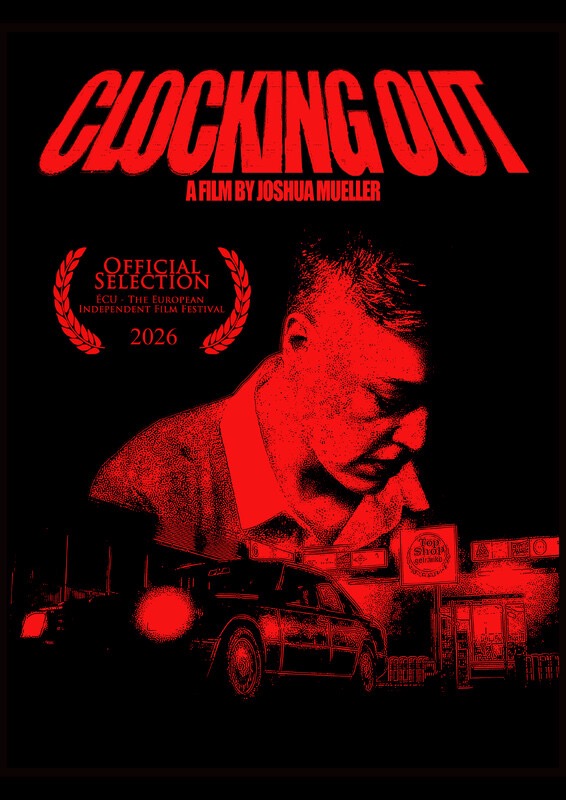
Clocking Out is a tense neo-noir psychothriller that tightens the tension until it’s almost suffocating.
Set over the course of a single night, it follows a woman who finds herself trapped in an escalating situation shaped by fear, doubt, and mistrust. Shot in a stripped-down, intimate style, the film draws tonal inspiration from works like Nightcrawler, Victoria, and Prisoners.
“I wanted viewers to feel the same subtle psychological pressure as the protagonist — that sense that something is wrong long before you can explain why.”
That’s exactly what Joshua Mueller manages to achieve in his short film. With Clocking Out he didn’t just land the tone — he also won the Audience Award at ÉCU 2026, and for good reason. A well-deserved recognition for him and his entire team.
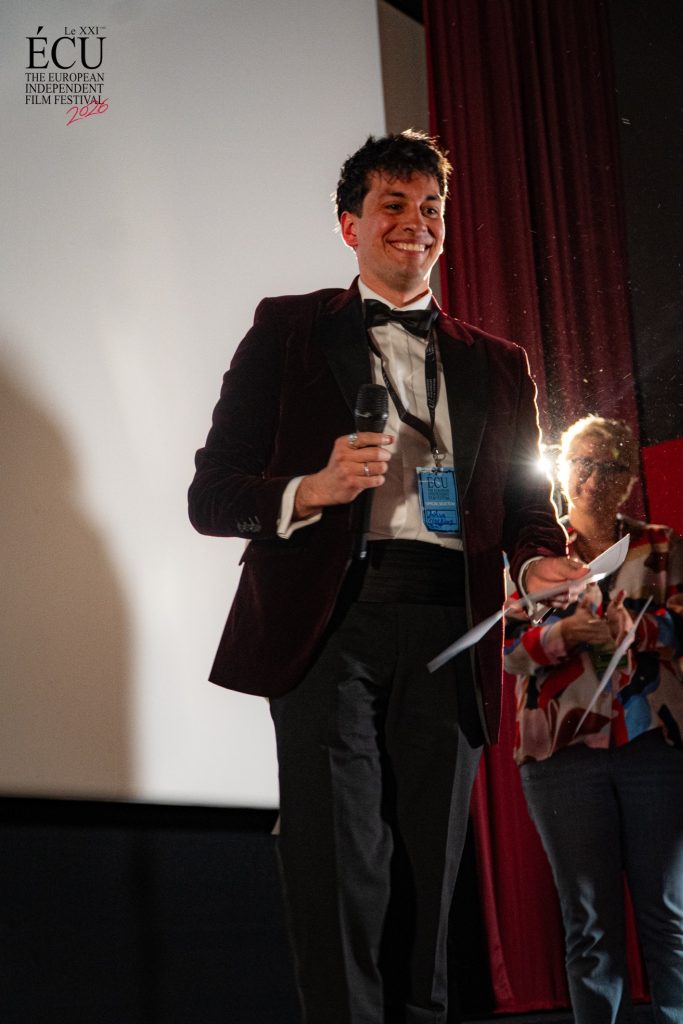
The short works as a proof of concept for a feature exploring trust, surveillance, and shifting power dynamics, and it keeps its tension deliberately close and uncomfortable throughout. Precisely that unease is what draws the viewer in and holds attention until the very end.
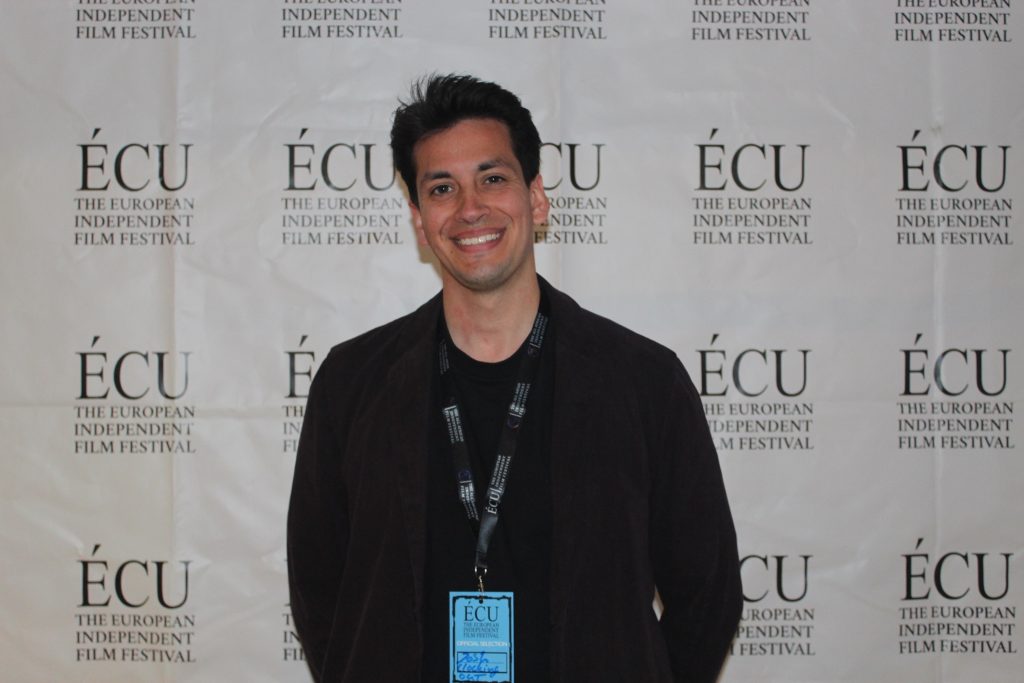
Now, let’s take a look at the story behind the film:
Joshua Mueller — who is half American, half Indian and based in Germany — explains that Clocking Out is inspired by childhood urban legends that always felt strangely real and stayed with him over the years, eventually leading him to turn that idea into a project. He also points out that crime thrillers are especially popular in Germany. From there, he wondered what it would look like to approach the genre in a more cinematic way, which then led him to develop Clocking Out as a proof of this new concept.
“I think, when you grow up as a child, you always have these urban legends stuck in your head, and you always feel like some of the stories you were told as a child somehow felt real. Clocking Out is one of those stories where, when you’re watching it, you feel like you know someone who knows someone who maybe knows someone this happened to. And that’s why it really stuck with me, and I’ve been wanting to shoot it for quite some time.”
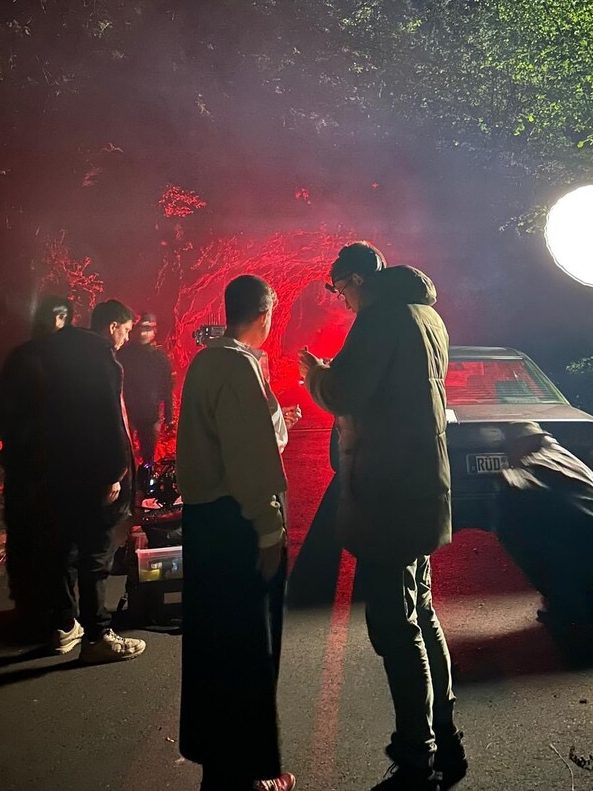
With just six days of production and around two weeks of editing, Clocking Out was shot on a Sony ZV-E1 with a deliberately minimal approach, creating an intimate, close-up atmosphere that makes the film feel authentic and emotionally immediate — pulling the audience right into the tension. Joshua Mueller describes the shoot as intense and emotionally moving, speaking with great appreciation for his team, who he says truly made the film come alive. As he puts it himself, it was a “quick and dirty shoot” and a “quick and dirty edit” — but one where the people involved turned the process into real film magic, enriching not only our festival this year but also the independent cinema scene.
Between laughs and absurdity: Europe´s Best Independent Comedy
Another category, another award-winning film! Esteban Roel received the prize for Europe’s Best Independent Comedy with his bold, absurd short Teodoro. The film cleverly blends bizarre humor with moments of seriousness, irony and sarcasm — a mix that clearly convinced the jury and also brought more than just a few smiles along the way.
ESTEBAN ROEL – TEODORO
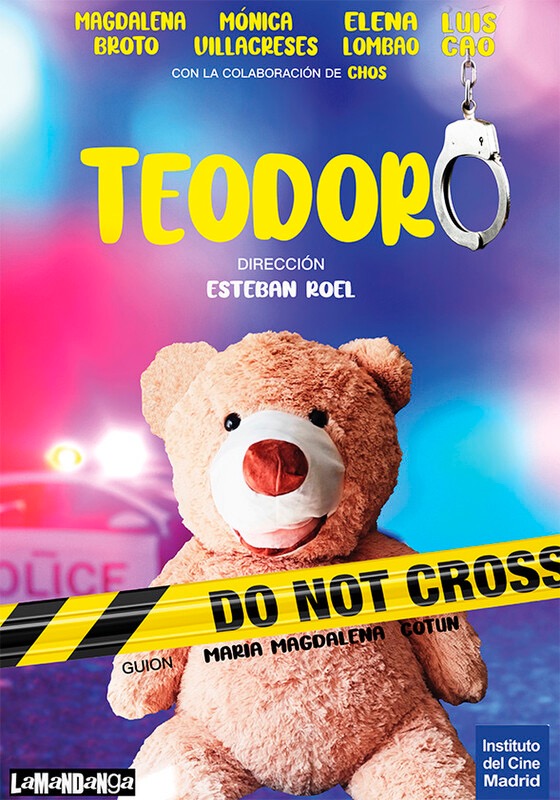
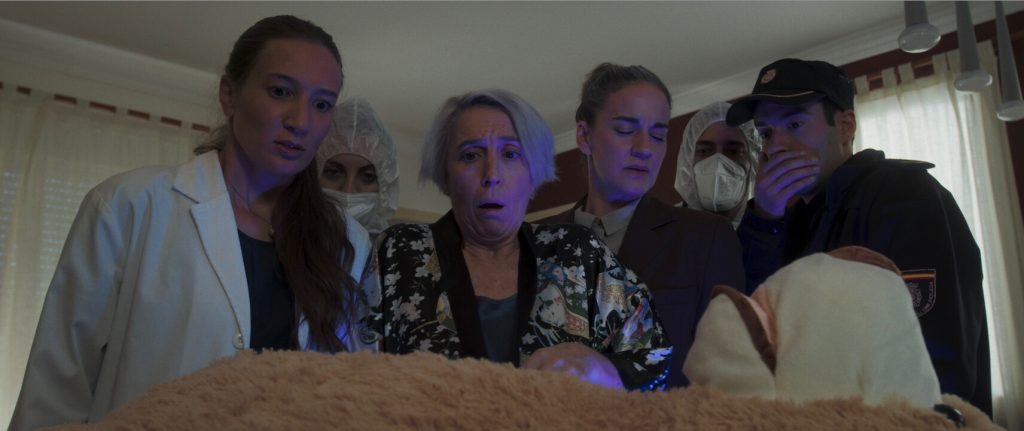
Teodoro tells the story of the morning after Valentine’s Day, when one of the protagonists, Sole is accused of the alleged sexual abuse of her teddy bear, Teodoro. The accusation comes from Graciela, her maid and friend, who has reported her to the police. As agents Justi and Roque begin to investigate what happened, both women quickly become suspects. What follows is a twisting back-and-forth between them, as the truth becomes increasingly difficult to pin down.
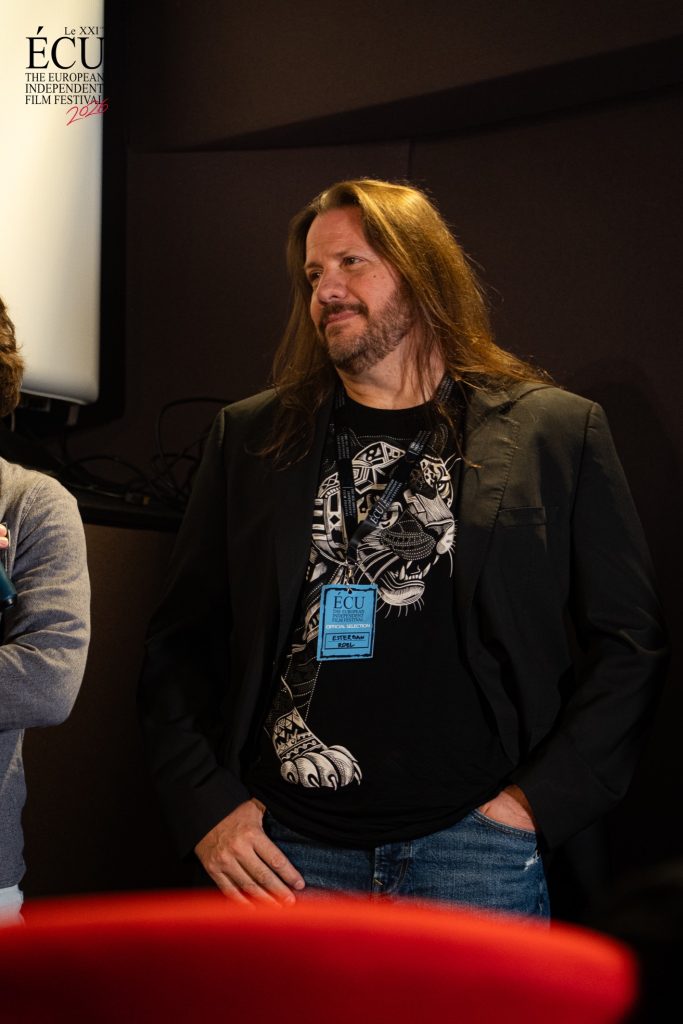
The short film Teodoro is directed by Esteban Roel, a Mexican actor and filmmaker, whose work spans Mexico, Spain and Italy. He has directed several award-winning short films, including 036, as well as the feature Musarañas, produced by Álex de la Iglesia and nominated for a Goya.
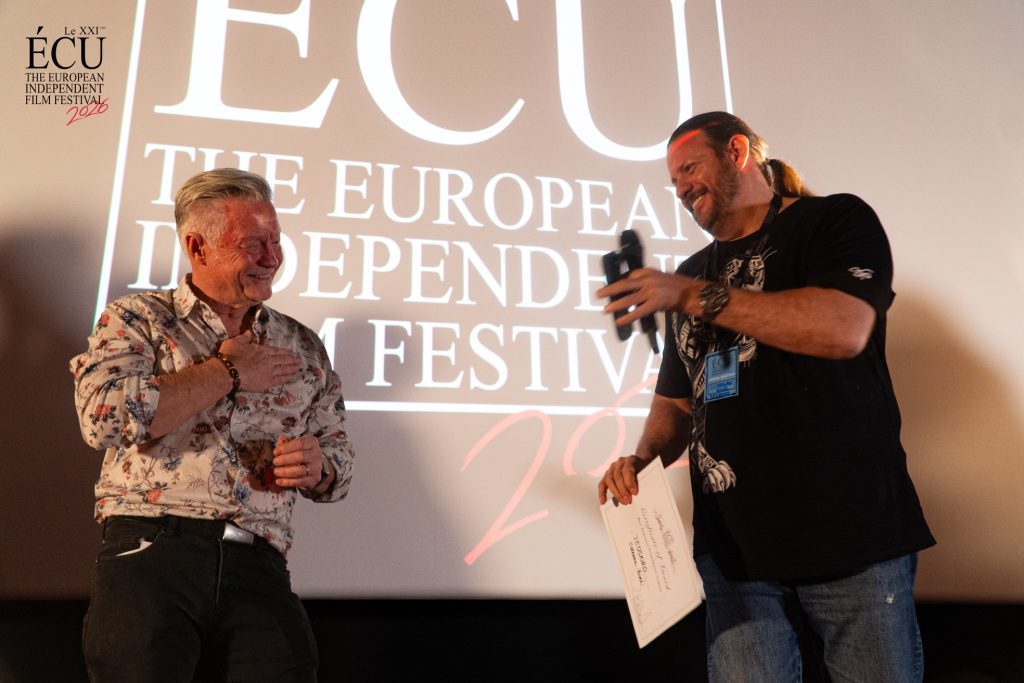
With Teodoro, Roel presents a storyline, enriching the comedy genre, where he cleverly integrates subtle elements of wit and irony, embodied by the film’s protagonists, which may initially feel disorienting but gradually reveal their full meaning and impact as the story unfolds. So, Teodoro does not only bring a touch of humour to the festival setting but also establishes a distinctive voice that balances genre conventions and narrative precision. At this point, it should definitely be noted that this featured short film is absolutely deserving of the title as Europe´s Best Independent Comedy at ÉCU 2026!
Last but not least, we move on to Abja And Her Pickled Eggs, a film produced by Rita Heer, which was awarded with a Special Award for Excellence in Women Filmmaking at ÉCU 2026. This recognition comes not only from the film’s sensitive and emotionally charged topic matter, but also from the way it deeply resonated with both the audience and the jury during the festival.
RITA HEER – ABJA AND HER PICKLED EGGS

As she approaches her 40th birthday, Abja, a single working-class woman in Mumbai, is faced with a life-changing decision: whether to spend her hard-earned savings on freezing her eggs. This choice sets her on a deeply personal path of self-discovery, while struggling with societal pressures and her own inner uncertainties.
So, Abja And Her Pickled Eggs captures an intimate portrayal of womanhood and the often unspoken challenges that accompany it. The film explores the silent negotiations many women make with their bodies, their choices, and their sense of self-worth. At its core, it is a reflection on agency, aging, and the struggle to create space for oneself in a world that often refuses to offer it.
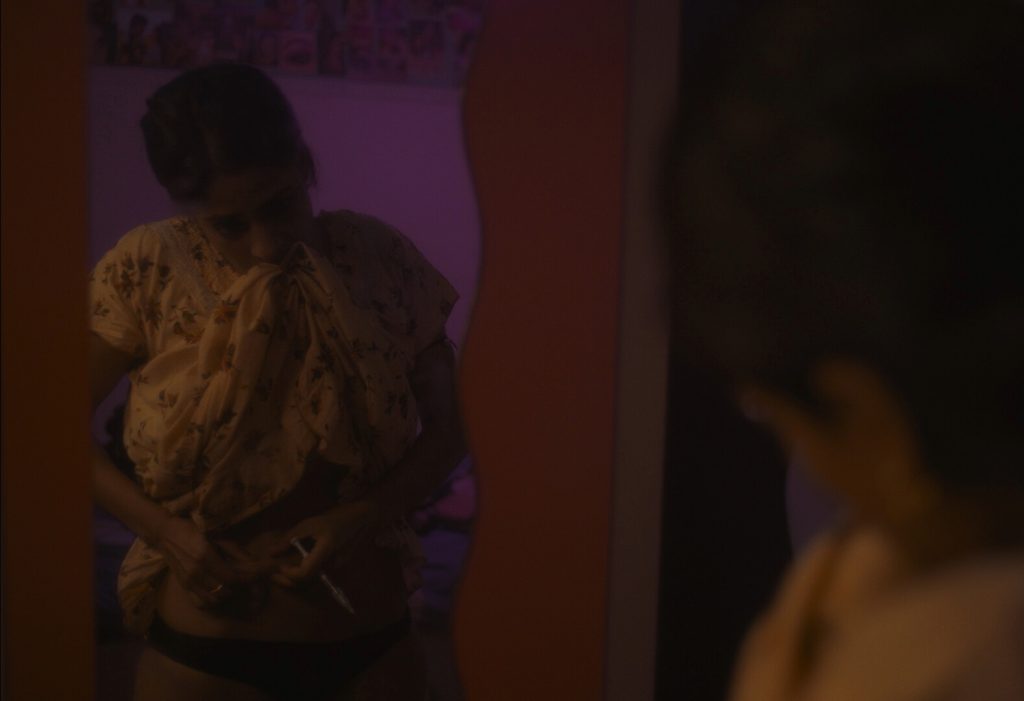
Let us take a closer look at this emotional journey, and explore what really inspired Rita Heer to bring this story to the screen.
Rita Heer is a British-born filmmaker of South Asian origin, who co-wrote the feature Pushtaini (Ancestral), which premiered at the Mumbai Film Festival and was released in India in 2024 to critical acclaim, later being named one of IMDb India’s Best Films of the year. She then worked on Abja And Her Pickled Eggs, a project very close to her heart, as it is inspired by her own experiences researching egg freezing options in Mumbai.
“It comes from a personal space. I was looking into freezing my eggs and I was going around all clinics in Mumbai and I was actually surprised. I was seeing women of all different ages and backgrounds and I thought: Let’s make a 40 year old working class trying to freeze her eggs and that’s where it started from.”
Building on this idea, Heer shaped the short film, blending elements of experimental drama with a touch of magical realism. Her approach is rooted in research and a lot of intense conversations with women, which she describes as a motivation to better understand both physical and psychological realities of their experiences. Exactly this is what then absolutely convinced the ÉCU 2026 team.
“I learned a lot, and it actually took away the fear of speaking with women. During my research, I realised how taxing the process can be—not only physically, but also psychologically. I wanted to give this woman, who is on her own, a sense of beauty and dignity—like someone you might pass on the street in Mumbai without noticing, even though she has a rich inner life. Always was, indeed, always will be.”
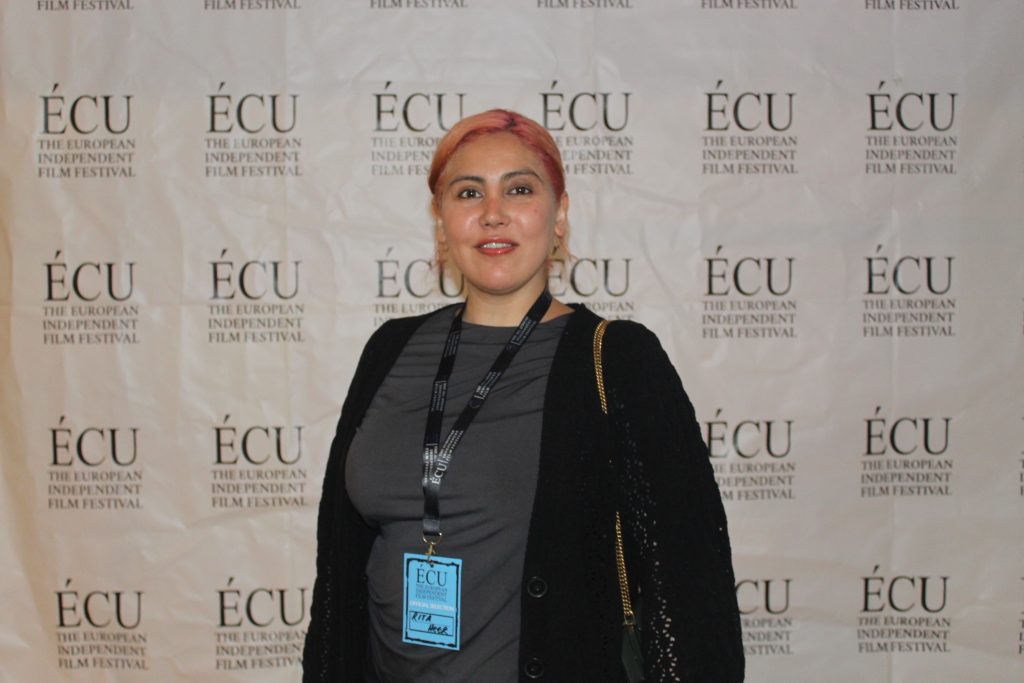
Rita’s film is a powerful reflection on what it truly means to be a woman — and what it means to claim one´s place in a world that still so often denies women that space. Through her work, she explores the many layers and complexities of female identity in all its dimensions.
At ÉCU 2026, Rita Heer also enriched the conversation through her participation in #SheShoots, a programme dedicated to amplifying the voices, perspectives, and creative journeys of women filmmakers competing at the festival.
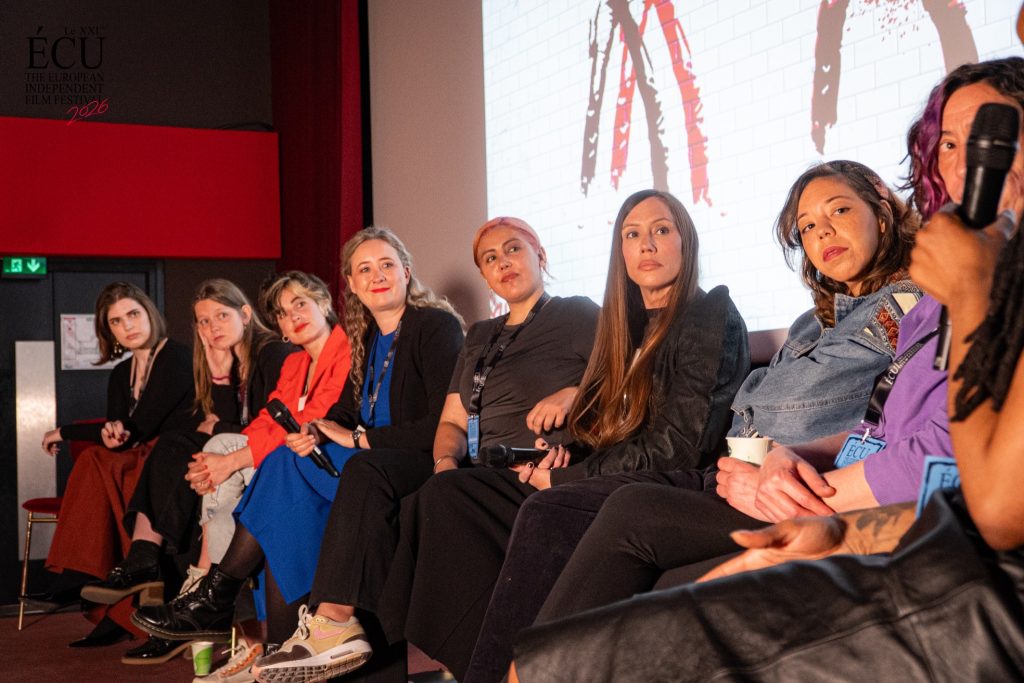
Looking ahead to her future projects, she is currently developing her first feature film at the Reykjavík International Film Festival Talent Lab. The story centers on a disgraced American-Punjabi politician who returns to her ancestral village in India. Following her win of the Special Award for Excellence in Women Filmmaking at ÉCU 2026, anticipation is high for what she will bring to the screen next!
 English
Leave a Reply