It’s no mystery that human beings are wired for connection. As social creatures, we seek belonging — not just to feel seen, but to feel secure. But at what point do we submit not to the comfort of community, but to the harms of conformity?
In the hands of independent filmmakers, this instinct becomes fertile ground for exploring how herd mentalities can enable or excuse gender-based violence. Unbound by restrictive studio formulas, ÉCU award-winners Carlos Gómez-Trigo and Florence Faure confront the darker side of group dynamics, revealing how violence — committed by both men and women — can emerge simply from a desire to “fit in”.
Gómez-Trigo, who won ÉCU’s 2025 Best European Director award for his gripping short film TRIBU, reflected on the dangers of herd mentality among young men in Spain today, emphasizing how it often leads to a disturbing “loss of personality”.
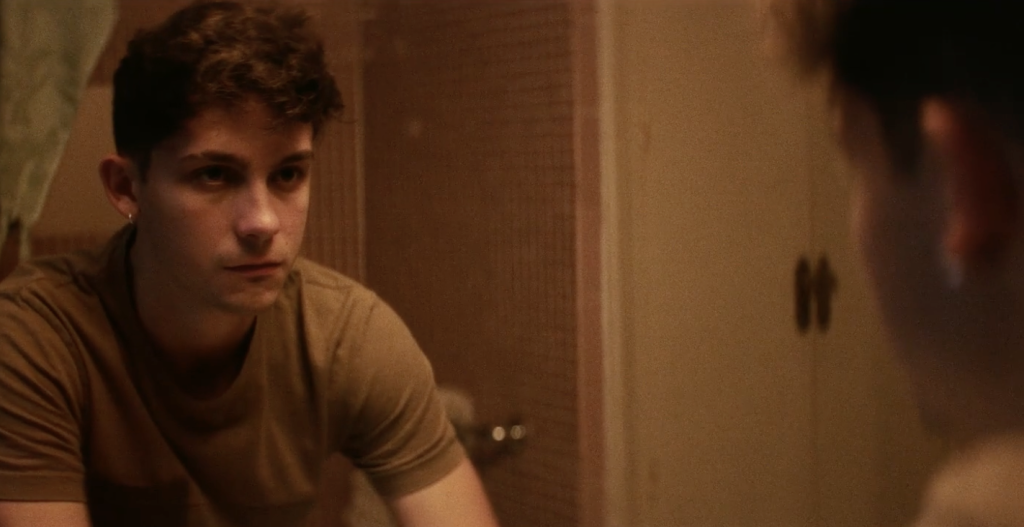
TRIBU centers on a teenage boy named Coque as he navigates — and ultimately succumbs to — the violently misogynistic behaviors of his friend group. It’s through this internal unraveling that Gómez-Trigo traverses how the desire to belong can distort identity, pushing individuals toward harmful behaviors they might otherwise reject.
Gómez-Trigo attributes this phenomenon to the global rise of right-wing movements, citing some of them as a reactionary cultural backlash to recent waves of progressive feminism. For those men who feel their privilege or sense of dominance is under threat, he suggests, misogyny and violence becomes a means of reasserting control.
When it comes to portraying these toxic yet widespread dynamics, he argues that film is a vital medium. Its visual language fosters empathy — not for the character’s actions, but for the internal deterioration that so often occurs within toxic group mentalities.

As vital as it is for film to dissect these issues, the medium of independent cinema both limits and expands that potential. Gómez-Trigo explains how, while funding is a consistent concern, independent cinema comes with an invaluable trade-off: artistic freedom.
With artistic freedom, he explains, filmmakers aren’t bound by the demands or constraints of sponsoring entities. This allows him to build his narrative from the ground up and collaborate with voices he finds most essential — most notably, fellow female filmmakers.
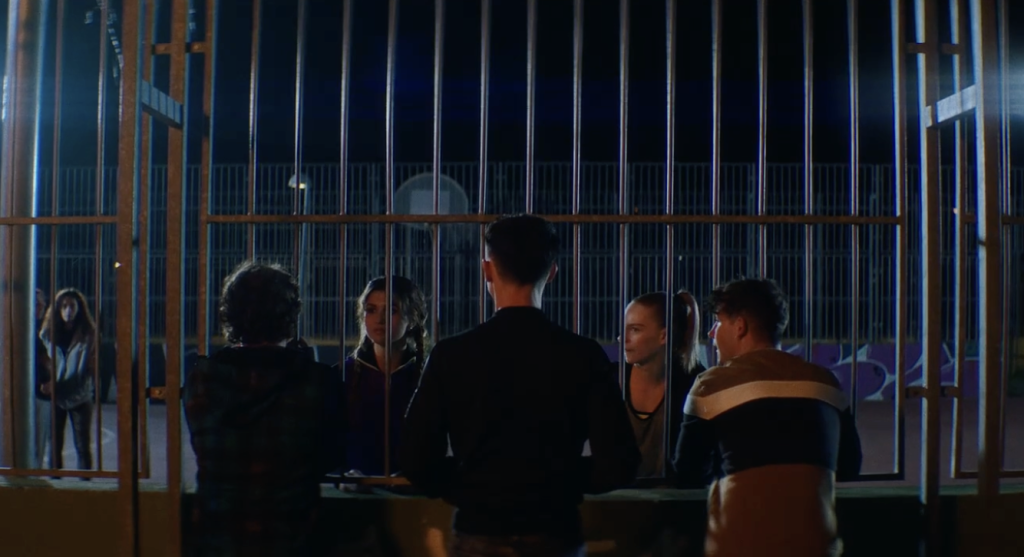
The female perspective — or, as he describes it, the “female gaze” — is crucial when portraying stories of male-perpetrated gender violence. “99% of what [women] experience, I don’t. There is so much I cannot understand.” In creating TRIBU, Gómez-Trigo therefore prioritized authenticity, striving to represent reality as truthfully as possible. To do so, he invited female filmmakers to revise the script, ensuring that the portrayal of male violence reflected their lived experiences with nuance and accuracy.
As for director Florence Faure, her tactics differ. While Gómez-Trigo’s short film revolves around male-driven violence against women, Faure explores the social environments through which young girls specifically are impelled to exert sexual behaviors that inevitably harm both themselves and the relationships they have around them.
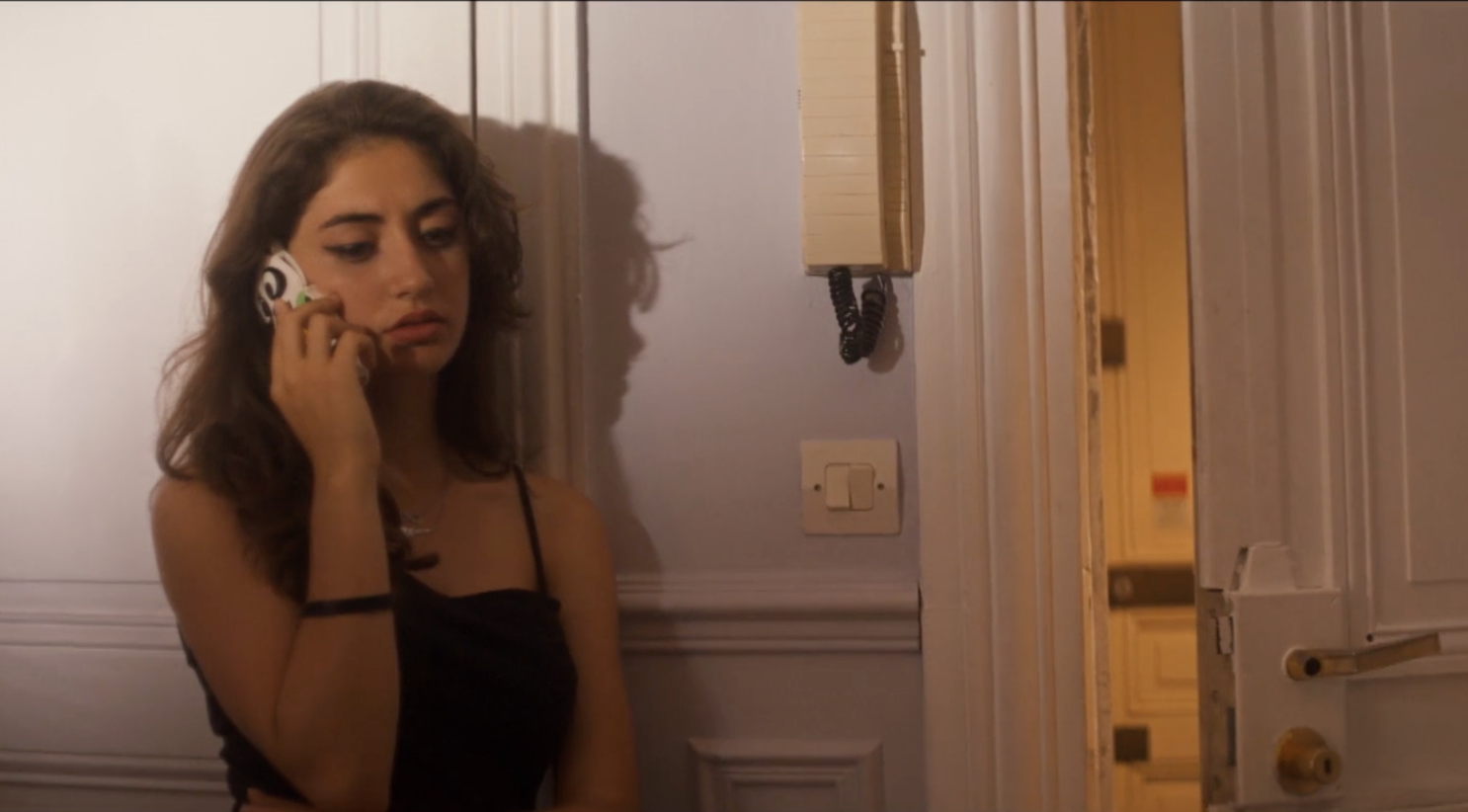
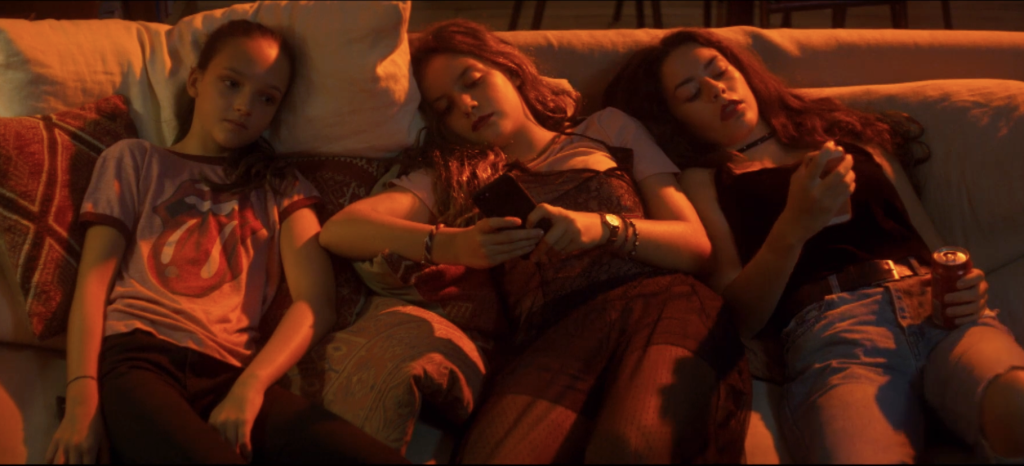
Her film, BEFORE BOYS, which won ÉCU’s 2021 Best Director Award, follows a group of young teenage girls as they embark on a precarious journey pursuing an anonymous man on an online dating site. This story, according to Faure, hits on the ways in which girls utilize sexual desirability to imitate masculine norms of dominance and control.
“We all wanted to be men,” Faure said of her youth. “That was the coolest thing — to be a man.” Yet it wasn’t masculinity itself that she admired, but rather the control that manhood seemed to grant. In this context, femininity isn’t embraced so much as it is weaponized — used strategically to access a sense of freedom and independence that remains largely out of reach for women today.
Faure, however, makes it clear that this practice often causes more harm than empowerment, becoming a subtle form of self-inflicted gender violence — especially in group settings. “[The main character] never has real desire. All that she does towards men is pretend so she can find respect from the group, build her friendship, and show that she’s growing up like the others.”
This pressure to conform is visible in the self-comparison and competition that runs rampant among the three girls depicted in BEFORE BOYS, leading them to such extremes in performing promiscuity and sexual prowess that they ultimately put their own safety at risk.
Yet Faure also highlights how the rise of social media has shifted feminine sexuality from a symbol of liberation — akin to the sexual freedom movements of the late 1960s — to a paradigm of premature sexual emulation and insecurity among young girls.

BEFORE BOYS thus interrogates the evolving intersection of media and sexuality, revealing a more insidious form of violence: one in which young girls find themselves at odds with their own identity and concepts of desire. While they strive to assert power through sexuality, they gradually lose a sense of self in the process. Adolescence was highly sexualized in France,” Faure explains, referring to this early assertion of power. “When you’re 12 or 13, sexuality is everywhere.”
According to Faure, independent cinema is essential for conveying emotional truths like those in BEFORE BOYS, as it allows for unrestricted directorial freedom. However, she remains confident that subtle meaning can be embedded in any film medium, regardless of its scale. She pays homage to directors like Hitchcock, who — through careful editing and mise-en-scène — were able to infuse their work with layered meaning, even within the constraints of a tightly controlled set.
Independent cinema is ever-so important in an industry dominated by puissant, commercial apparatuses like those of Hollywood. While these entities often dig into the complex world of gender dynamics, notions of meaning and authenticity are progressively detracted when commercial success motives remain the drivers of their creation. Arguably, what independent cinema offers in these contexts is an invaluable notion of genuineness — a representation of a reality unadulterated by fears of rejection or misinterpretation.
The very nature of gender-based violence is never set in stone — its exploration demands evolution and variety. What Gómez-Trigo and Faure do, albeit differently, is set about on their own ambitious journeys to render a poignant perspective into the ever-changing, cruel realities of what it means to be a man or a woman in today’s world.
We don’t just interpret their works as a reality — we learn from them. We learn, from Gómez-Trigo, that male misogyny is never innate; it grows like invasive weeds from virulent herd-mentalities that demand men to be controlling and dominant over those they appraise as less than they are, particularly women.
On the other hand, we learn from Faure that violence can arise from within, manufactured by pre-existing gender dynamics in society. These dynamics begin to either sexualize or empower us from the moment we can consume media — media that, in turn, reflects and reinforces these very dynamics.
At ÉCU, we believe independent cinema is not just a medium for storytelling — it’s a vehicle for truth-telling. By championing bold voices like Gómez-Trigo and Faure, we support films that confront the subtle, systemic violences embedded in gendered expectations and group conformity. Their works do more than depict these realities — they dissect them, challenge them, and most importantly, humanize them. In a world where media often obscures more than it reveals, independent filmmakers remind us of cinema’s radical potential: not just to reflect who we are, but to question who we’ve become, and where we are going.
 English
Leave a Reply