Written by Pia Stoffers
Behind the scenes with Alexander Denysenko, Winner of The Best European Independent Music Video at ÉCU 2025
Each of us has probably watched a music video by any favorite artist that fascinates us, lingering in our minds for days. Music videos are, especially nowadays, a central part of pop culture around the world. They make music visible, tangible, and emotionally immersive, as the horizon for the audience expands into an experience far beyond just sound alone.
Every year, ÉCU has the honor of presenting the award for Best European Independent Music Video.
Year after year, we receive an incredible range of artistically fascinating submissions that stand out through us with their powerful messages, their visual storytelling and of course their originality.
For this article, we spoke with Alexander Denysenko, the filmmaker behind the 2025 awarded music video Before the Dawn. With him, we want to discover how the idea for his video project came about, what makes music videos such a unique medium, and why they deserve to be recognized as an art form in their own right.
We will also take a closer look at music videos such as Berghain (2025) by Rosalía and House (2025) by Charlie xcx that were not only popular on social media but also captivated audiences through their artistic vision and implicit interpretation.
How did music videos evolve?
Today, we are witnessing an immense technological progress that has influenced the content and obviously the core ideas of music videos.
They no longer aim only to have an explicit meaning, deliver a message, or serve as a creative visual representation of an idea. Instead, they can also demonstrate how powerful, shocking, and fascinating their presentation can be for audiences.
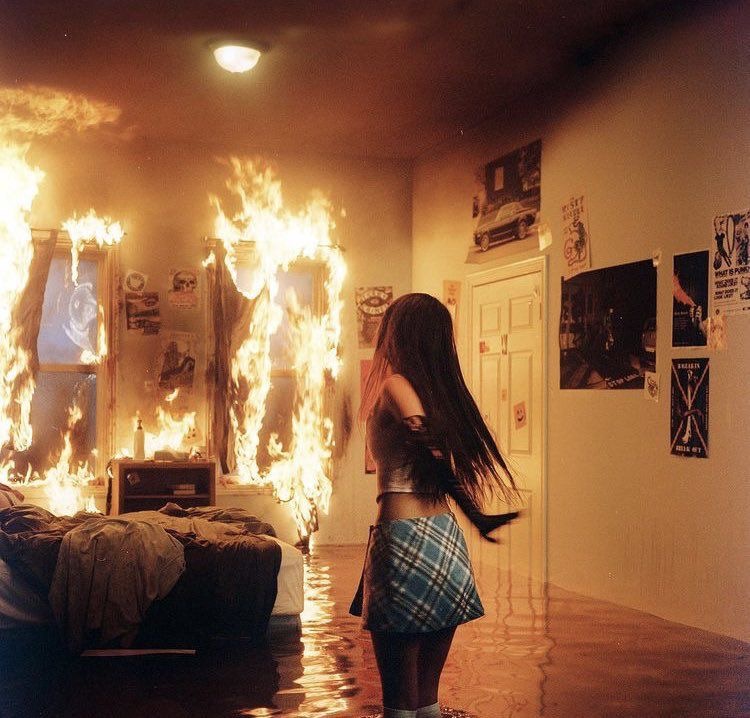
Standing out and leaving a lasting effect—modern music videos are primarily conceived to leave a lasting impression. In a way, they undoubtedly push creative boundaries to a new limit, spark debates and captivate us through innovative filmmaking especially in the independent cinema industry.
However, older music videos should not be overlooked. The term music video emerged in the 1980s, when music television needed a way to describe its primary broadcast format. From the very beginning, they were produced to offer an aesthetic visual interpretation of a song, combining music and imagery into a storytelling experience.
This kind of atmosphere is shaped by the interaction of a music video’s content and purpose. Like any art form, such visual projects break typical conventions, challenge boundaries, and experiment with new innovative approaches.
Rather than following fixed or predictable patterns, they continuously evolve while presenting new ways to experience and interpret music, especially nowadays.
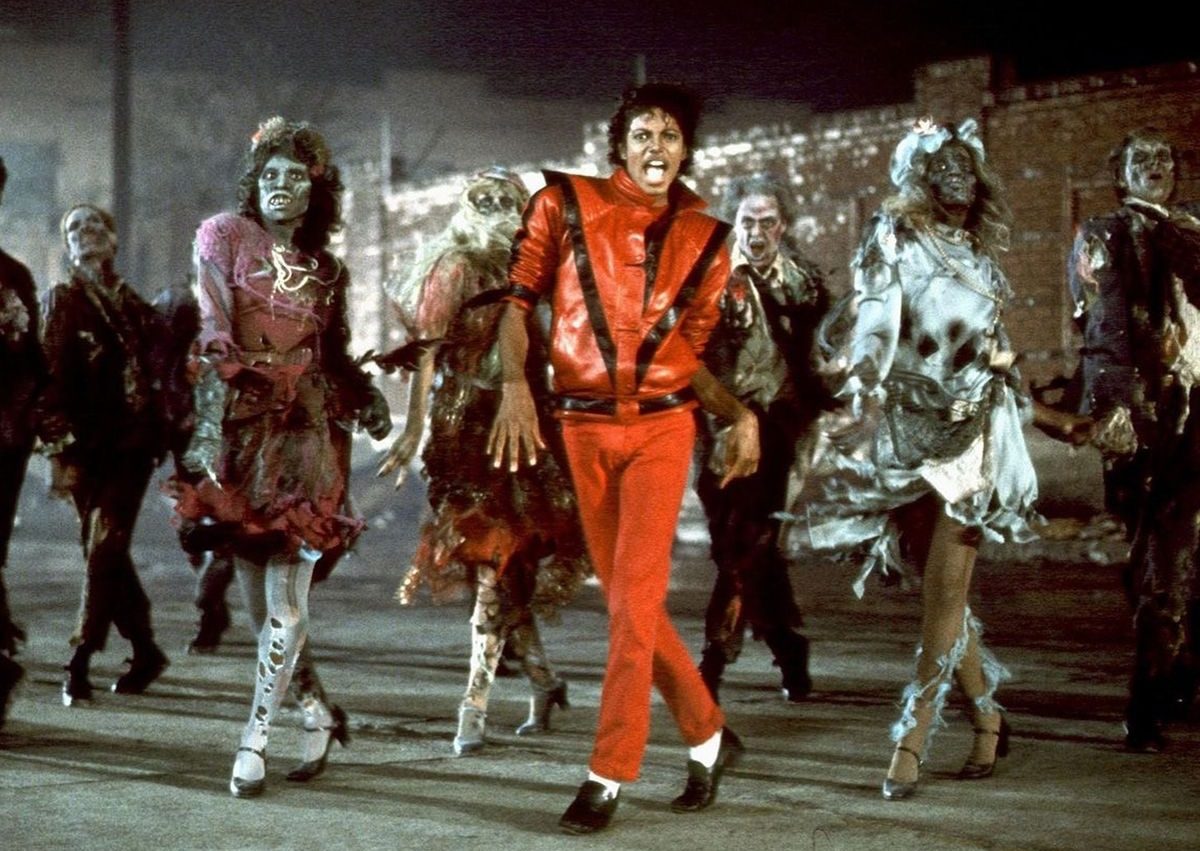
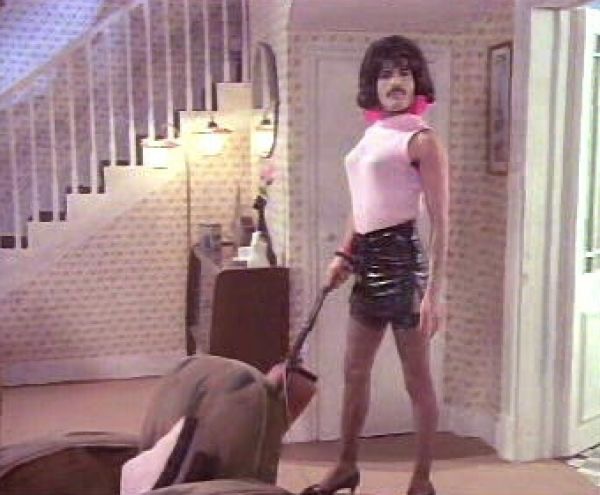
Some music videos have remained iconic for decades and continue to stay in our minds while fascinating and at the same time representing our present society in many terms… Which music videos might come to mind?
Creating music videos is creating art!
More than just any promotional tools, music videos should indeed be seen and certainly appreciated as a special form of cinematic art. As so-called short films, they use a wide range of filmmaking techniques and a lot of distinctive visual aesthetics while seamlessly creating an audiovisual work in which music and imagery enhance one another.
The Best European Independent Music Video 2025: Before The Dawn
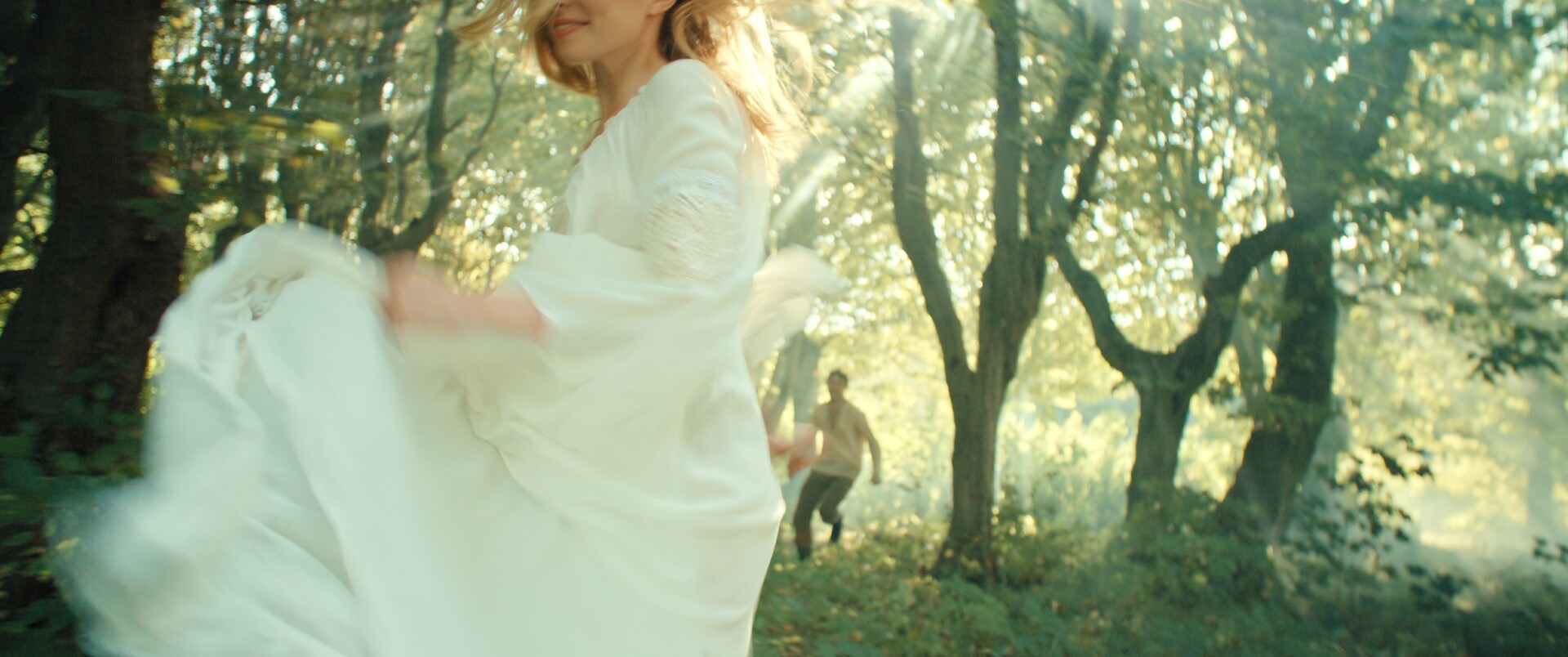
Now to Before The Dawn, a music video produced by Alexander Denysenko that transports us to a new absolutely fascinating world.
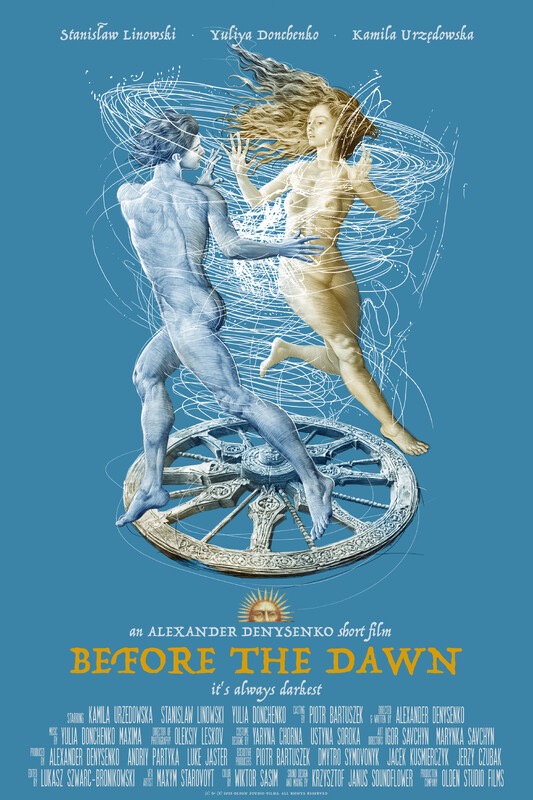
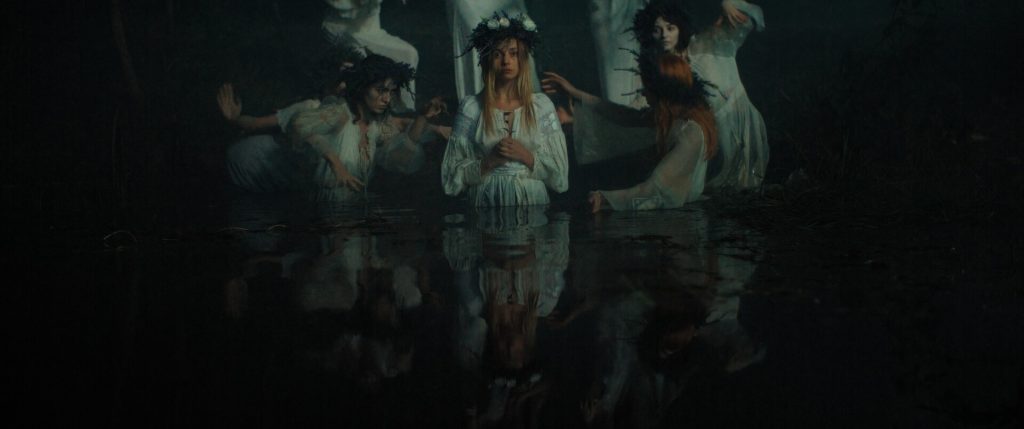
This is what it is about: Before The Dawn is set in a picturesque Ukrainian village in the midst of the 19th century. The film revolves around themes of love, loss, despair, and hope. In the heart of a young girl, true love blossomed, which, however, led to the darkest night in her life… The story repeats from generation to generation while questioning simultaneously if the young, vulnerable soul manages to break this vicious cycle.
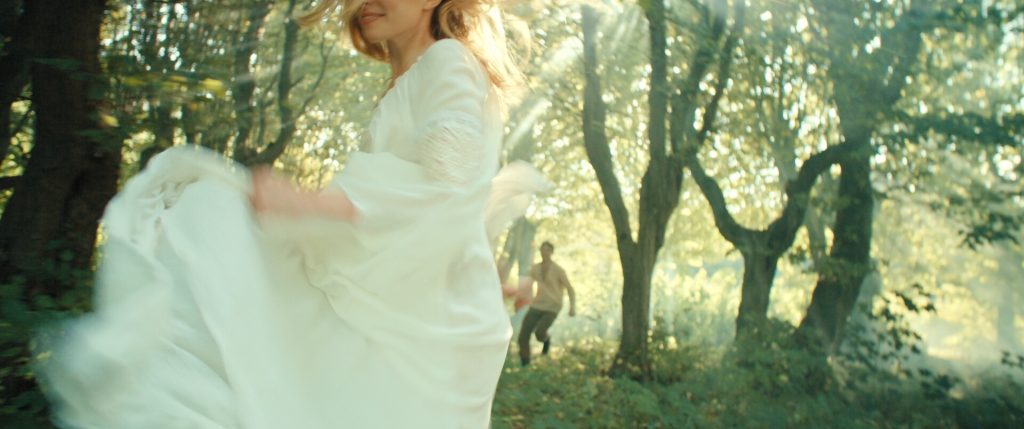
As a winner of the Best European Independent Music Video at ÉCU last year, it definitely deserves special mention in this article about the magic of music videos!
Let’s find out more about Before The Dawn and the world of music videos in a conversation with Alexander Denysenko.
Alexander Denysenko, who stands behind this whimsical and visually absolutely outstanding music video is a polish-ukrainian film director, visual artist and the recipient of more than 50 international awards.
He is a protégé of Academy award–winning director Andrzej Wajda and Academy award–nominated cinematographer Sławomir Idziak as well as a member of the Polish Film Academy.
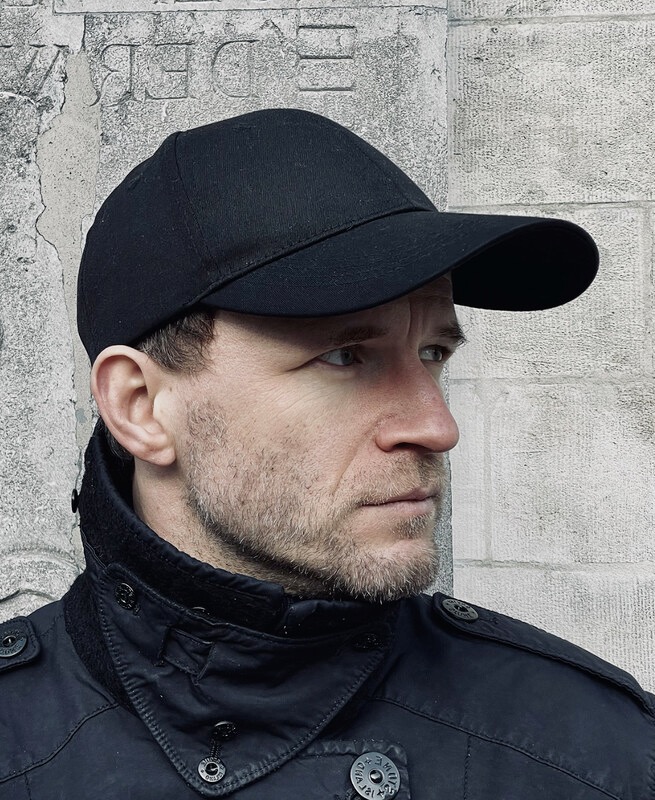
Alexander’s music video Before the Dawn has toured more than 75 international festivals in over 20 countries and was nominated for Best Narrative at the Berlin Music Video Awards 2025, alongside famous videos by Lady Gaga, Sabrina Carpenter, Drake and Travis Scott.
For him, music always comes first. He began his career as a musician and dreamed of one day creating films for his own music. So, even before he entered the world of cinema, music had always been a constant presence in his life. In his films and projects, music is not merely a soundtrack—it is their very essence.
Before the Dawn can be seen as a tool of cultural diplomacy, giving global audiences a contemporary Ukrainian voice through music and cinema while maintaining a certain aesthetic arising from an interplay between narrative, form, and function.
It transforms a legacy narrative of victimhood into a story of freedom and responsibility which makes it even more special!
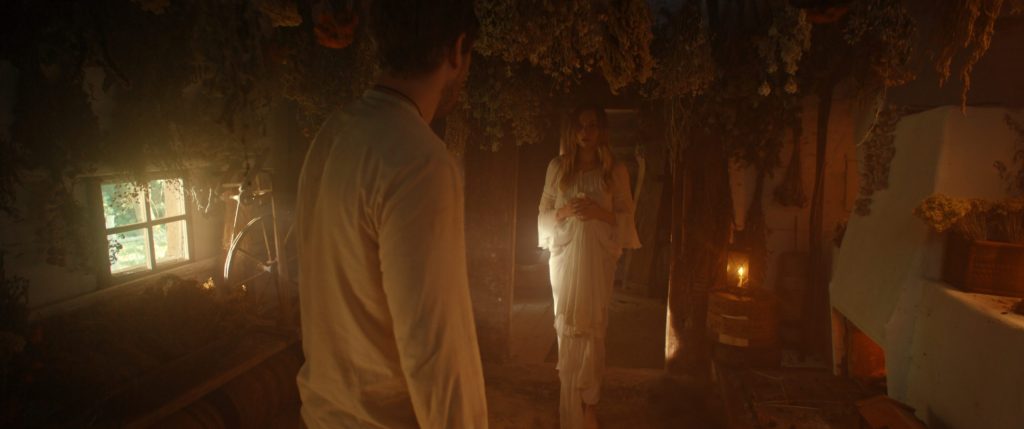
His general visual idea was to take what is old and let it breathe today, all the way down to the costumes in a style called “Ukrainian boho,” historical silhouettes filled with modern freedom.
In his short film, Alexander Denysenko aims to share what helped the main character break free from old ways of thinking and find a path to happiness. It portrays the ability to listen to the wisdom of the heart in choosing a certain path, to show sensitivity to your own and others’ pain, enabling moments of revelation.
Making this specific choice grants us freedom. It might feel uncomfortable, but it also gives a chance we wouldn’t have had by choosing to sacrifice our “self.”
How did this short film come about and what attracted Alexander Denysenko to telling the story of Before The Dawn specifically through a music video rather than a feature film?
“The story began with a song. For generations, Ukrainians sang “Vzhe sontse nyzenko” (“The Sun Is Low Already”) to survive their pain – but not to change their lives. I wanted to answer that song, to enter into a dialogue with it. Every film I make begins with a question that gives me no peace; this one has been sounding for 200 years: is accepting the pain really all we are capable of?”
With these words, Alexander shows how pain can lead to difficult inner conflicts in life—to feelings rooted in desperation. Through his art, he aims to encourage people to question their emotional ways of thinking as well as certain socially constructed patterns.
“In a sense, that is all I ever do: I decolonise emotions – I free the mind from inherited ways of feeling ourselves and the world.”
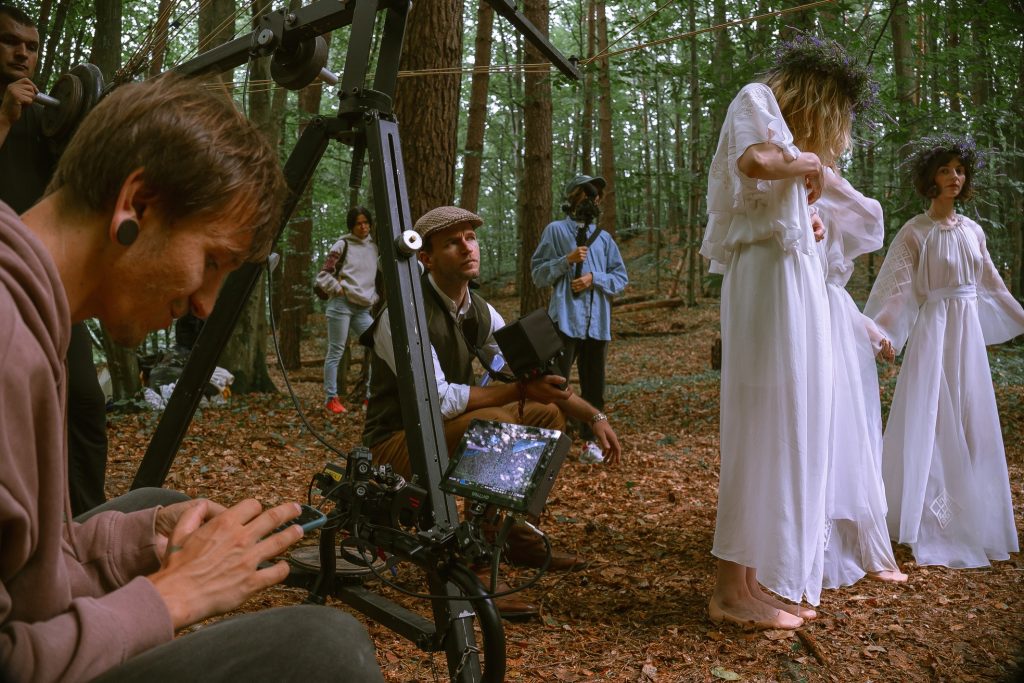
In his projects, such as in Before The Dawn, memories play a grand role to unfold a narrative within and through music highlighting its importance and fascination. Instead of “just” music videos, Denysenko calls this concept “narrative music films” that portray stories built on memories and experiences that live inside a song.
Speaking of memories: This is for you if you are interested in how memories are pictured in films.
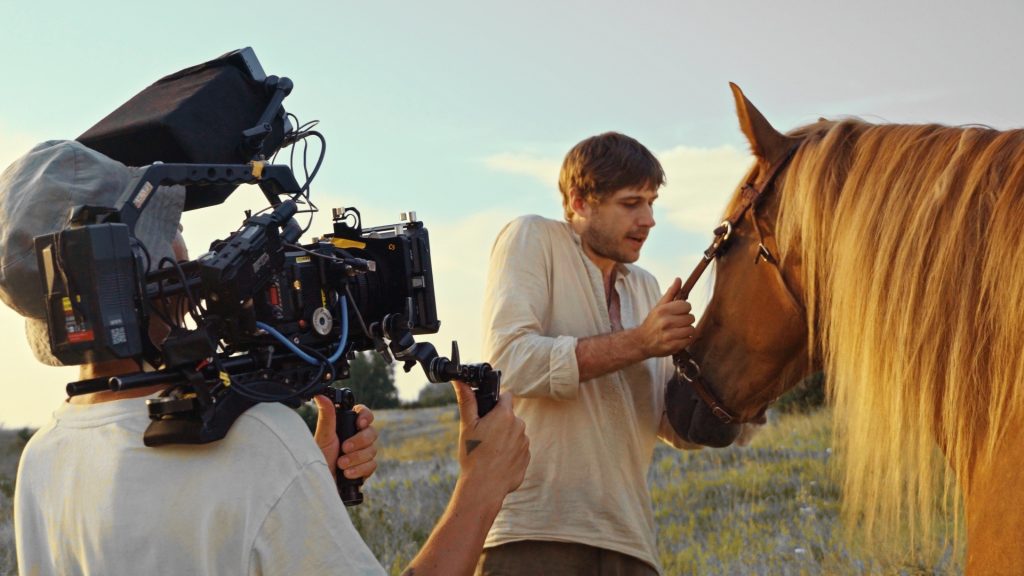
Denysenko sees his artistic work during the past and current critical situation of war as another form of resistance. Artists are trying to preserve stories, identity, and meaning through film and music.
“We were filming in the summer of 2023, during the missile strikes on Lviv: six minutes of screen time in eight shooting days, some of them around the clock – a small miracle. […] On set we kept repeating: while our soldiers hold the sky, we hold the meaning.”
Are you curious to find out about Before The Dawn?
Here’s your chance to learn more details about the project because a companion documentary has been released: Before the Dawn: A Film About Choosing to Live (2025), a cinematic essay about Ukrainian artists who, during Russia’s full-scale war, decide to shoot a symbolic short film as an act of cultural resistance and a personal choice to live instead of remaining victims.
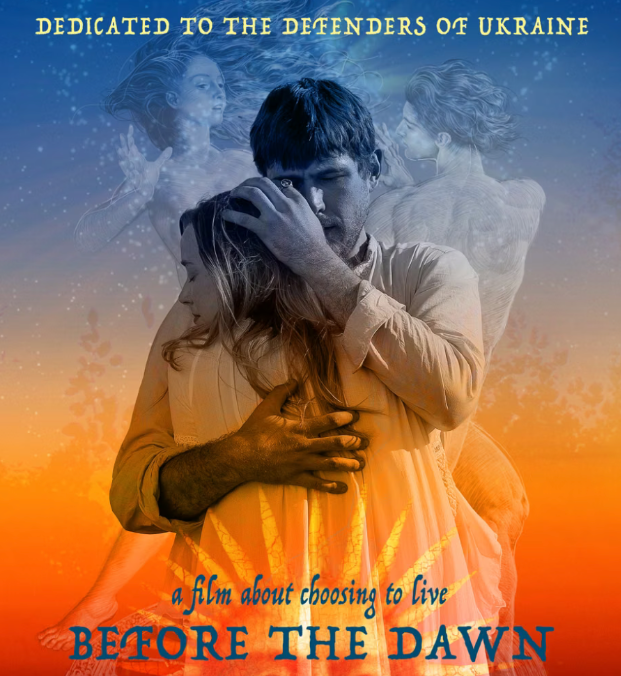
Visual storytelling is particularly interesting to analyze in music videos as it is an important basis setting the emotional tone.
Even though the song’s lyrics in Before The Dawn are in Ukrainian, there is no translation needed. We as an audience receive the story as a whole and understand the narrative of standing at the edge of a life-changing choice.
Let us dive deeper into the coming about of the visual language in Alexander’s project.
How did the music influence the visual language and storytelling of Before the Dawn?
The deepest influence on this project´s visual language was definitely tension.
According to Alexander: “The song mourns – the film answers it with dawn: where the lament descends into its darkest night, we walk with the heroine into the black water of the lake, and where tradition would let her drown, we give her a choice.”
So, the visual language of Before the Dawn is that argument between grieving words and life-affirming images while not just illustrating the song – but replying to it.
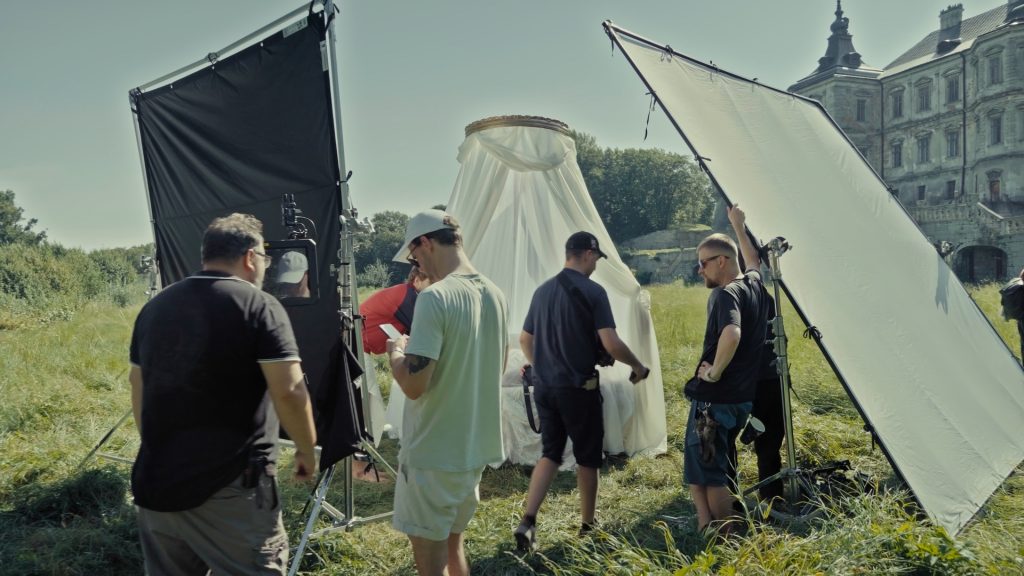
Since the topic of this article is about the magic of music videos, of course we want to know what makes short films—such as music videos—so special as art in and of themselves, and why they have such a magical effect on the audience. Alexander had an intriguing answer for us:
“Dialogue speaks to the mind; a song speaks to memory. […] Where words fall silent, the body speaks: a horse breaking free towards a girl; a hand forging a flower instead of a horseshoe; a flower left on a doorstep – gratitude and farewell at once.”
What a great music video needs
Through our interview with Alexander, we’ve definitely come to realize that there’s much more to music videos than meets the eye. It’s an art form that conveys its message using exactly the right tools. But what does a music video need to do to stick in our minds?
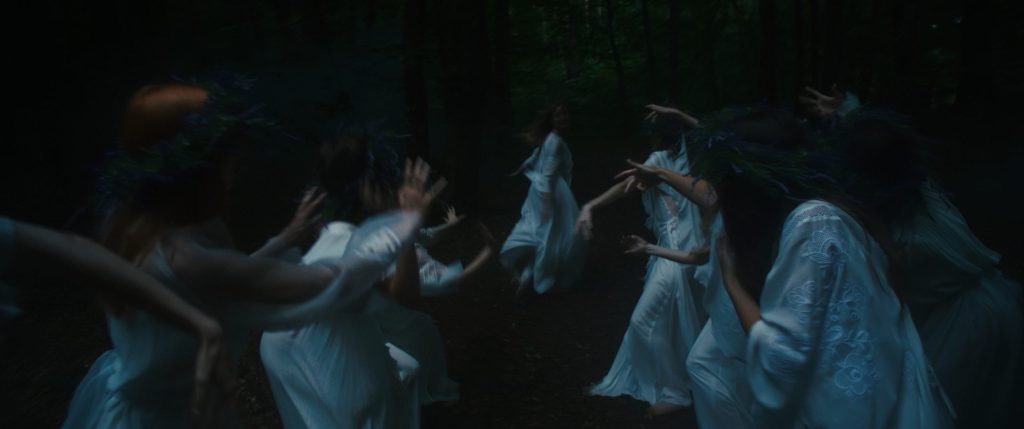
Denysenko tells us that “a great music video does more than promote a track—it shifts a narrative”. By this, he again aims to highlight the “magic” of a music video, which happens after we, as the audience, understand and feel the message and then carry it forward with us.
When music videos hit the charts
Now that we’ve learned more about an outstanding music video from an award-winning film at ÉCU, it’s time to highlight a few clips that our ÉCU team just can’t get out of their heads and minds—and that have garnered a lot of attention on social media, with millions of clicks, views, and even more likes.
Rosalía is an artist who has consistently topped the global charts for years with her songs and her distinctive musical style, exploring femininity, transformation, and spirituality on a journey from illusion and loss toward faith and self-discovery. Her newest album LUX, released in 2025, is particularly inspiring, unique, and artistically stunning.
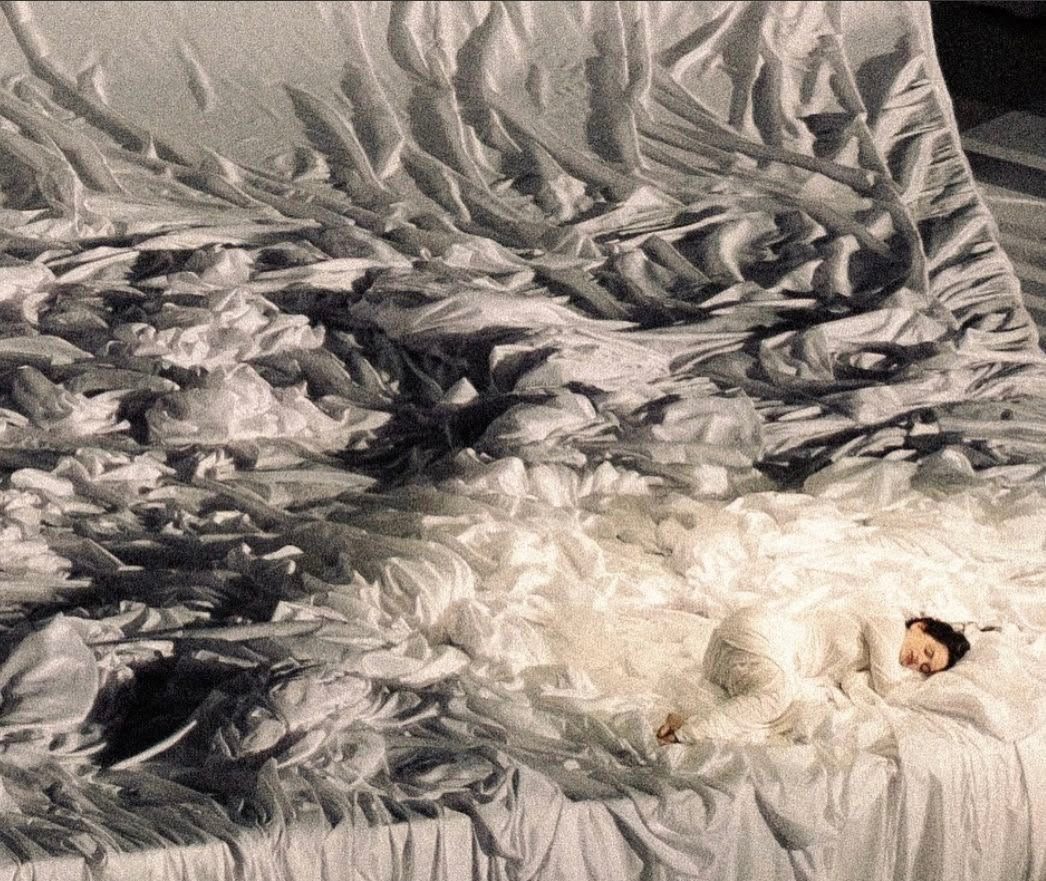
With her angelic voice, her emotional lyrics, and her performance in LUX in over 10 different languages, Rosalía wins over listeners all over the world. But it’s not just her songs that captivate with their sounds—her music videos also speak louder than words. Let’s take a closer look at Berghain together.
ROSALÍA feat. Björk & Yves Tumor – BERGHAIN
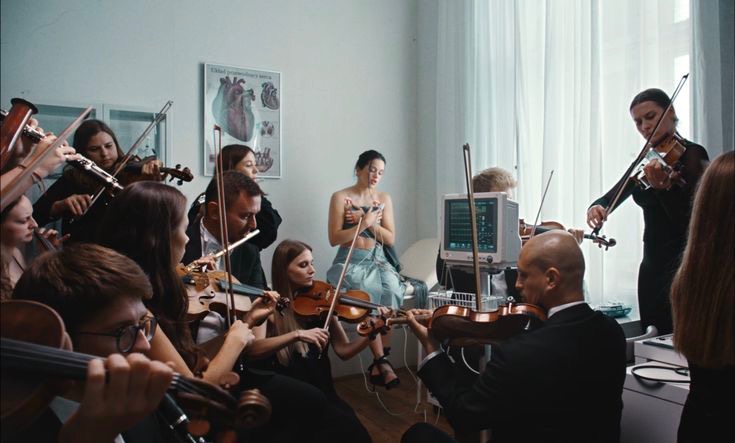
The entire ÉCU team remembers the video, the song, and the visual interpretation of Berghain when it first came out back in 2025. It was so iconic that everyone is still talking about it even a year later.
The music video is created with a series of allusions and symbols that tell a spiritual and dramatic story about faith, love, and fear. In some scenes, Berghain even evokes a Disney-esque interpretation, with an eerie twist. Rosalía leaves the meaning of this open to interpretation.
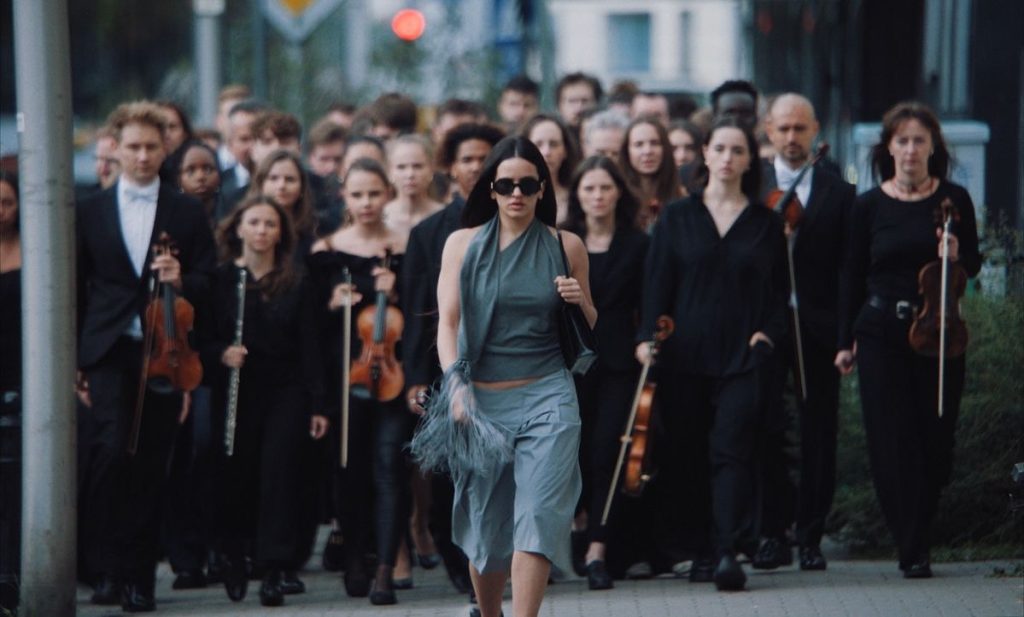
One thing is certain: With the orchestral accompaniment providing the musical backdrop to her daily life, everything in the short film seems more dramatic, and her message—which definitely plays on or is related to the Christian faith—becomes a bit clearer.
But still, it is questionable whether Rosalía is simply singing about her own experiences and memories in Berlin, or if she is trying to convey a deeper message through her video and lyrics. It’s definitely worth taking a closer look. With Berghain, Rosalía is definitely pushing creative boundaries to a new limit which shows the power, art and magic of music videos.
In addition to Rosalía’s Berghain, another song and accompanying music video was released in 2025 that shouldn’t be overlooked due to its cinematography. We’re talking about House by the British singer Charli xcx, who has achieved immense reach on social media through her music, especially in recent months.
CHARLI XCX feat. John Cale – HOUSE
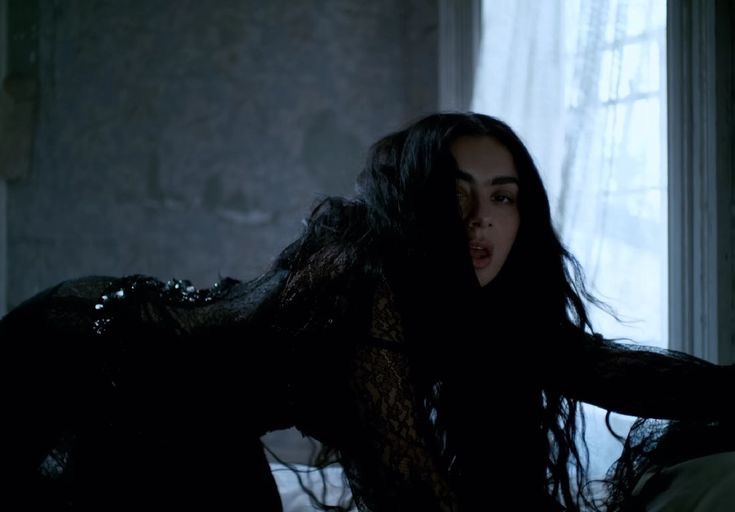
House is a mystical, experimental song that deviates from Charlie xcx´s usual style and aesthetic. It is a song that is part of the soundtrack for a film adaptation of Emily Brontë’s book Wuthering Heights.
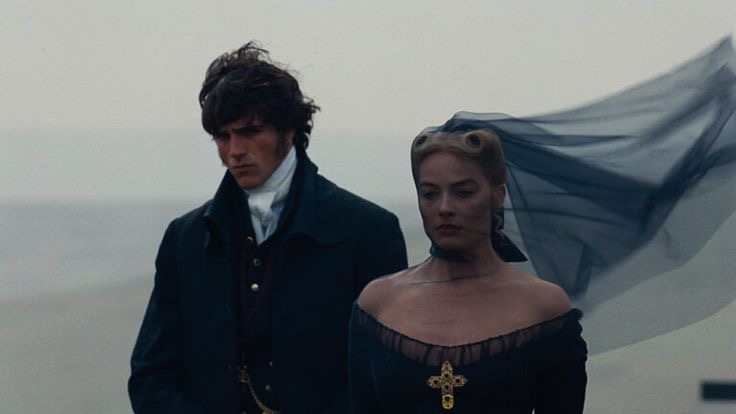
In this music video Charli xcx picks up on the dark, oppressive mood of Wuthering Heights and incorporates it in a cinematic, gothic-style way, accompanied by mystical and dark symbols such as a dark forest, dark colors, trapped crows, and eerie scenes, while John Cale’s seemingly frightening words run throughout the video. The interplay between these aspects definitely highlights the lasting impression and fascination it creates among the audience.
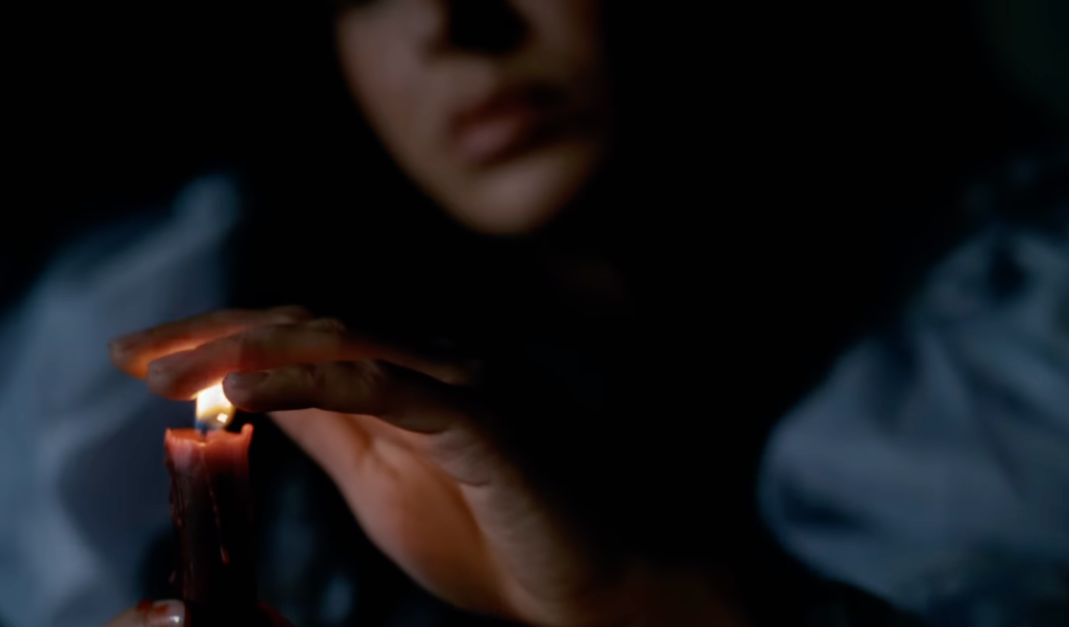
Music videos such as Berghain, House or Before The Dawn do indeed have a huge impact on us.
They are art in their own right, allowing us to experience songs in a particularly intense way while making music tangible and, at the same time, serving as a platform for pushing creative boundaries and conveying specific narratives.
Which music video can’t you get out of your head? Let us know!
 English
Leave a Reply