
Written by Pia Stoffers
A conversation with Abdulmohsen Almutairi, Director of Memories of the North (2022)
Before we delve into Memories of the North—the short film that won an award for Best Non-European Independent Documentary at ÉCU in 2023—it’s worth taking a moment to consider the film’s central theme: memory.
Have you ever noticed how often films play with memories? They serve not only as a narrative device but also shape the entire dramaturgy. Fragmented images of memory and subjective perspectives allow the past and present to merge.
In this way, stories emerge that evoke feelings, challenge our perceptions, and draw us deep into the characters’ world. Memories are far more than mere flashbacks, they shape identity, influence decisions, and lend cinematic storytelling a special emotional depth.

Films rarely follow a continuous linear chronology, incorporate memories in a variety of ways and use them as poetic instrument.
Through fragments of memory, video clips, or photographs, they offer glimpses into a character’s past, which can be staged in different ways within the flow of the plot.
The cinematic landscape appears interesting in two respects when it comes to memory: on the one hand, in the way characters recall events within the film’s plot and how these memories are presented to the audience through cinematic techniques; on the other hand, the cinematic narratives themselves are based on our own—or even collective—memories.

Let’s take a closer look at the concept of memory and its cinematic representation.
For that, we spoke with Abdulmohsen Almutairi, the director of the documentary Memories of the North (2022). Then we will turn our attention to films from various genres: Aftersun (2022), The Butterfly Effect (2004) and Eternal Sunshine of the Spotless Mind (2004).
Together, we’ll explore the role memories play in film and how they influence our perception.
Memories then & Memories now
In theory, memories are considered subjective reconstructions of the past. Although they have by no means lost their significance nowadays, they are just curated and documented differently.
While memories were once primarily anchored in the mind, in oral tradition, or in analog media, they are now increasingly captured and reproduced through electronic devices.

With the development of optical, photographic, and digital technologies, the ways in which memories are saved and disseminated have fundamentally changed, giving them a different significance and, in some cases, turning them into a mass-produced commodity.
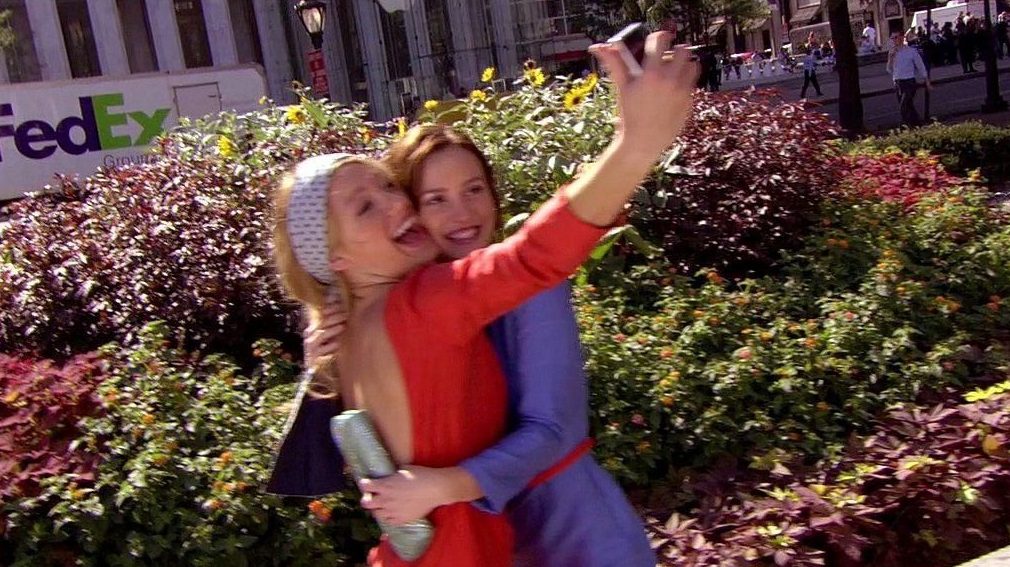
Cinema and the technologized mass culture it has helped shape, have further transformed our understanding of memory by enabling a previously unimagined circulation of images and narratives about the past.
Nostalgia and Memories
Let’s turn to a particularly profound and, above all, emotional topic. We spoke with film director Abdulmohsen Almutairi about his documentary Memories from the North (2022), which won the award for Best Non-European Independent Documentary at our festival in 2023. In his film, the theme of memory is explored and portrayed on screen in a unique and multifaceted way.
ABDULMOHSEN ALMUTAIRI – MEMORIES OF THE NORTH

That’s what the documentary is about: It’s been 30 years since the Gulf War of 1990-1991 and a crew of filmmakers who witnessed the events as children set out on a journey across Saudi Arabia to capture stories of people who lived through the war.
Abdulmohsen Almutairi is a Saudi director and producer based in Dhahran. He is the co-founder of Talashi Films, a diverse filmmakers’ group founded in 2008, with the goal of producing quality films each year. He directed over 14 films, some which toured international festivals, earning nominations and awards along the way. His documentary Memories from the North won first place at the Saudi film festival 2022.

The focus of Abdulmohsen’s film relies less on the political or military aspects of the war and more on its human dimension.
The documentary sheds light on the lives of people in the GCC states, their childhood memories, neighborly interactions, and nostalgia for the past. At the same time, the short serves as a historical record that preserves memories of a formative era and makes them accessible to future generations.
The result is a portrait of a time whose traces continue to resonate today and which continues to spark questions and interest even among people who did not experience it firsthand. With this film, there is finally a documentary that provides an intense look at the emotional and mental cost of the Gulf conflict.
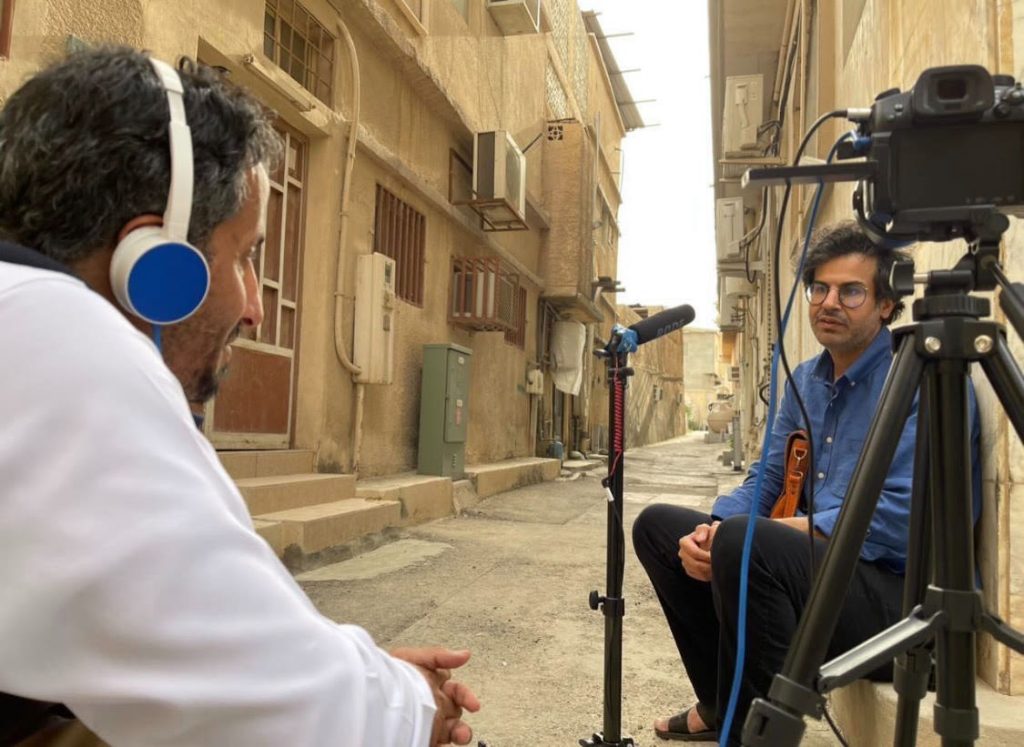
“I tried to use the film as a way of awakening memories—bringing them from the depths of our minds back into conscious thought. I wanted viewers, whether young or old, to experience a small part of that journey with us and with the participants in the film, myself included. I wanted audiences to join us as children and share those beautiful and unforgettable days.”
For Abdulmohsen, nostalgia is something that he frequently draws upon in his work, including his narrative in films. Many of them are set in or inspired by the late 1980s and 1990s—an era that fascinates him.
It was a period of rapid change and technological evolution: the introduction of the internet, the rise of mobile phones, home video technology, CDs, and many other innovations that became deeply embedded in our collective memory.
“For me, it is an era that deserves to be revisited and celebrated through cinema.”

We asked Abdulmohsen Almutairi how the film came about and how he approached the challenge that memories are often subjective, fragmented, or even altered over time while producing a film based on subjective and somehow collective memories and experiences.
In his career as a director he mostly thinks back to his childhood and his memories to form and create narratives and deeply emotional films, while also questioning and reflecting deeply on filmmaking itself as a process: What exactly is filmmaking for him? Is it just entertainment or is it also something deeply personal that should resonate with people’s minds and emotions?
“Through this reflection, I realized that there was something missing from my filmmaking process: my childhood memories. That’s why I called the film Memories from the North, because my hometown is located in northern Saudi Arabia. I just went back to my childhood memories. Our childhood memories are the key to understanding our present and our future.”
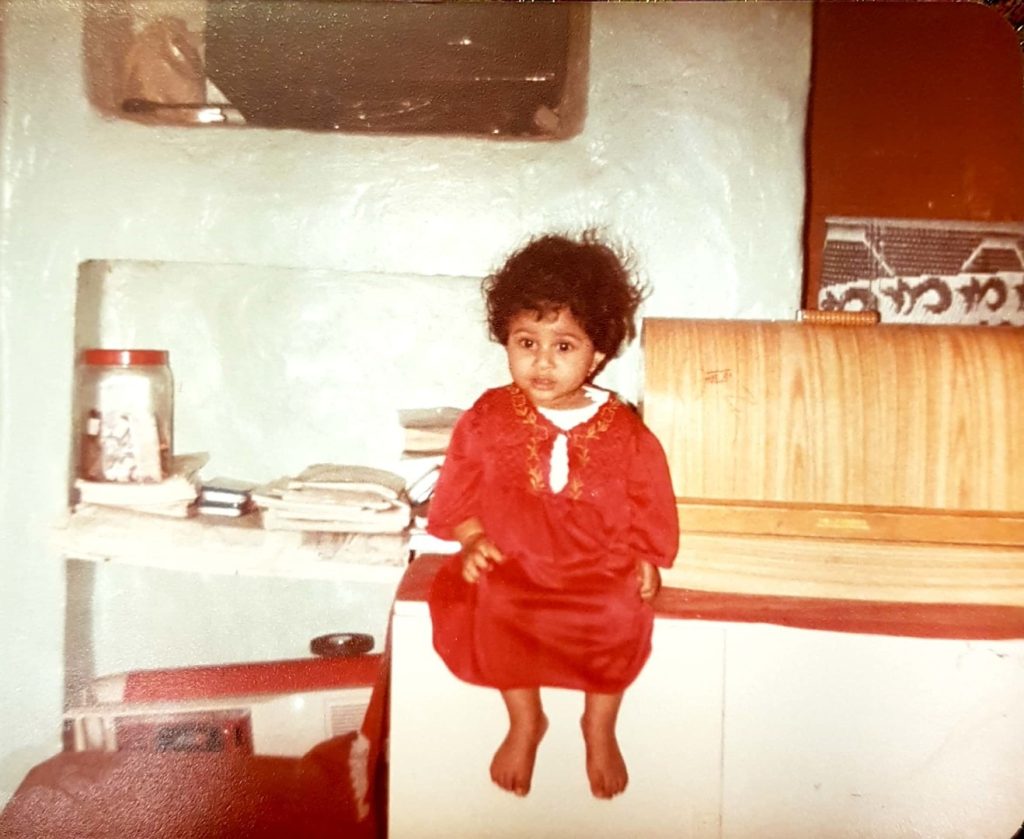
In Memories of the North, memories are conveyed through archival footage, family videos, television broadcasts, and personal photographs. So, visual media plays an essential role in reviving and reconstructing memories.
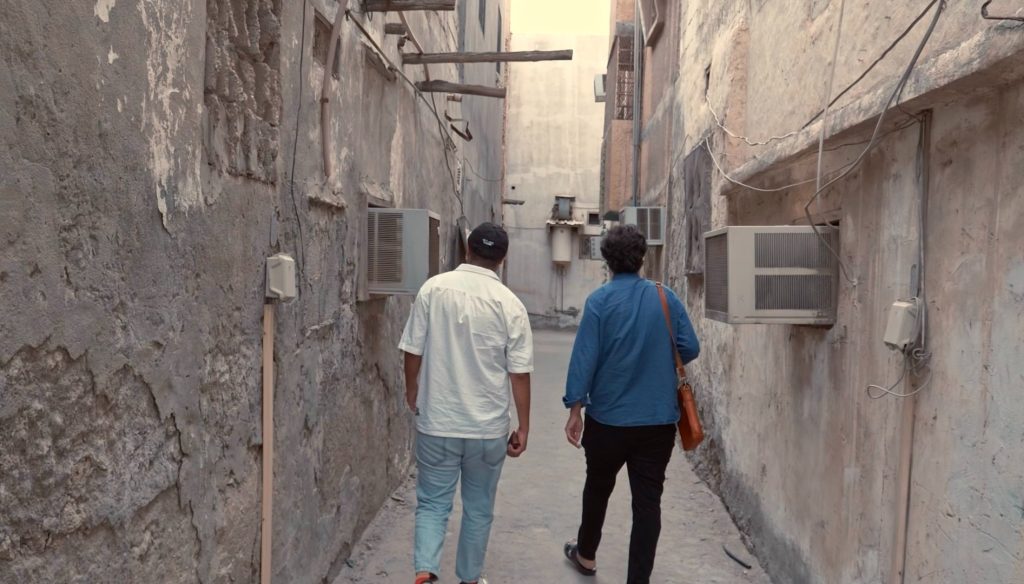
Almutairi aimed to make the film feel very personal to the people involved and provided an intense insight into the emotional conflict and situation of the affected. He was not interested in creating a highly polished, television-style documentary with elaborate graphics and a carefully designed aesthetic.
“I simply wanted to meet people as they are. On set, we never rehearsed and we never prepared answers in advance. I just took the raw ideas and captured them with a raw, direct approach using the camera. From there, I worked with the material in the editing process.”

What counted for Almutairi was speaking with the people, talking about their memories, about their families and what they experienced during the war and how those experiences resonate in the present. It was about having honest conversations with the participants, and from that he says, the film came alive.
“In my view, the film was born in the montage rather than as a strictly pre-planned documentary structure. I wasn’t thinking in terms of formatting, mise-en-scène, or visual perfection. What mattered to me was the momentum—the energy that comes from the participants themselves.”
Different Ways of Capturing Memories
Many film lovers may already be familiar with this film. If not, it’s time you watch it—consider this your cue! Charlotte Wells’ Aftersun (2022) is a film that speaks to us in a quiet, intimate, and deeply moving way.
What’s particularly striking is that it’s told primarily from the perspective of a child who reflects on her relationship with her father, drawing on memories that the protagonist holds onto.
CHARLOTTE WELLS – AFTERSUN

This is what Aftersun is about: Sophie reflects on the shared joy and private melancholy of a holiday she took with her father twenty years earlier. Memories fill the gaps between camcorder footage as she tries to reconcile the father she knew with the troubled man she didn’t.
Why does this film about Sophie’s memories move us so deeply? It’s the interplay between Sophie’s childlike, naive perspective on her relationship with her father and the way memory is conveyed cinematically.
She owns a camcorder with which she records her life at the time of her childhood. These recordings later serve as flashbacks and are used as a central cinematic device to take us along on her journey and capture various moments and emotional tensions.

Through this technique of capturing memories, it makes it easier to highlight her memories and offers a very personal, immediate glimpse into her life. At the same time, the footage gives her—and thus us as well—the opportunity to revisit the past.
Sophie can watch the footage in retrospect and begin to understand what really happened to her father back then and what emotions drove him, even though she couldn’t grasp this as a child.
This unique form of curating memories allows her not only to revisit the past but also to relive it internally and reframe it, even if she ultimately cannot change it.

Moving on to another film, and thus to a different way of portraying memories. In The Butterfly Effect, memories are not just flashbacks and retrospectives; they also serve as an active force that actually can change the present and the future drastically. The film combines memory with time travel and makes it a central motive.
ERIC BRESS/ J. MACKYE GRUBER – THE BUTTERFLY EFFECT
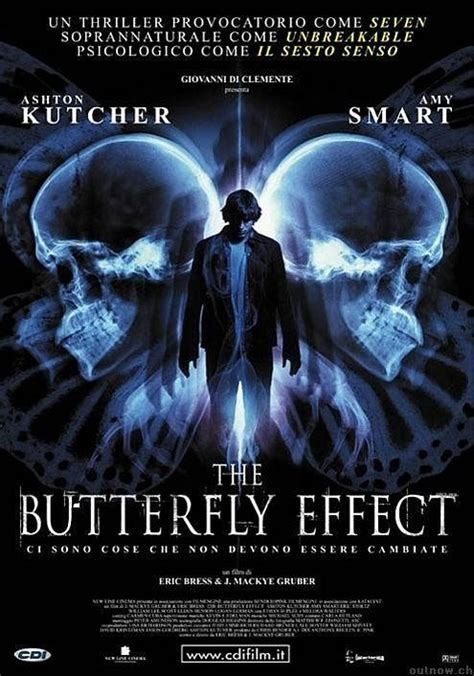
What The Butterfly Effect is about: Evan struggles to access sublimated childhood memories. He finds a technique that allows him to travel back into the past, to occupy his childhood body and change history. However, he soon finds that every change he makes has unexpected consequences.
Unlike in Aftersun or Memories of the North, where memories serve primarily as a means of reflection and coming to terms with the past, in The Butterfly Effect they become a tool of manipulation.
The film asks whether one should alter painful memories if given the chance. Its answer is ambivalent and overall paradox: any change to the past creates new, unintended consequences and new suffering.
The Butterfly Effect demands multiple watches and gets better with each one, while keeping us glued to the screen throughout.
Memories shape us; they reveal our past and explain various behavioral patterns we exhibit. Here, memories are used to show that they are indeed an essential part of us.

So, memories itself, thus appear not only as objective reflections of the past, but as fragile constructs that shape our identity. The film uses flashbacks, subjective narrative perspectives, montage, and visual distortions to make this very instability and the power of memory feel-able.
Another film, in which memories are not just a part of the past, but also an essential component of a person’s identity and emotions is Eternal Sunshine of the Spotless Mind that shows just how important memories really are to us as human beings. Because: We aren’t meant to forget memories about the people we love(d).
MICHEL GONDRY – ETERNAL SUNSHINE OF THE SPOTLESS MIND

A quick note about the film: Joel Barish, heartbroken that his girlfriend Clementine underwent a procedure to erase him from her memory, decides to do the same. However, as he watches his memories of her fade away, he realises that he still loves her, and may be too late to correct his mistake.
Memories are linked to emotions—everyone knows that. The core of the Eternal Sunshine of the Spotless Minds story is to show that, after a relationship ends, Joel and Clementine both try to forget the other person.
Even though the relationship had both beautiful and painful moments, the film reveals to us that love and pain are intertwined in our memories.
Those who try to erase the pain also lose the happy moments. So, this film makes memories visible and tangible by allowing the viewer to put themselves in the protagonists’ shoes.

This story shifts between the present and the past, allowing us to see and empathize with Joel’s memories. Through the surreal visual design of various scenes, the fading of memories is depicted visually. Dilapidated spaces, blurred faces, and the loss of human traits all contribute to this effect.
As a cinematic representation, it is intended to show that memory continues to dissolve, but in the end, “true feelings” can be stronger than memory.
You’ve learned how important the element of memories can be in films.
Can you think of another film that explores the theme of memory?
 English
Leave a Reply