Written by Pia Stoffers
When we watch a film, it typically works with a wide range of elements to move us emotionally or leave us with a lasting impression. Every filmmaker – including those within the independent film scene – has their own artistic signature through which they reach their audience and create films that stand out with compelling narratives, strong creative visions, and innovative storytelling.
Despite how different and unique these films are, they all share one essential element: the expressive power of the body and its movements. Whether through gestures and facial expressions or through the broader presence of corporeality, it is this expressiveness that evokes emotions, conveys meaning, and allows stories to be experienced on an immediate, often universal level.
Let’s dive deeper into the concept of gestures in film!
Starting Point for Capturing Body Movements and Motion
To better understand the role of gestures, it is worth taking a step back to the very beginnings of motion capture. One name that comes up in this context is Eadweard Muybridge and one of his works: Running at Full Speed (1887).
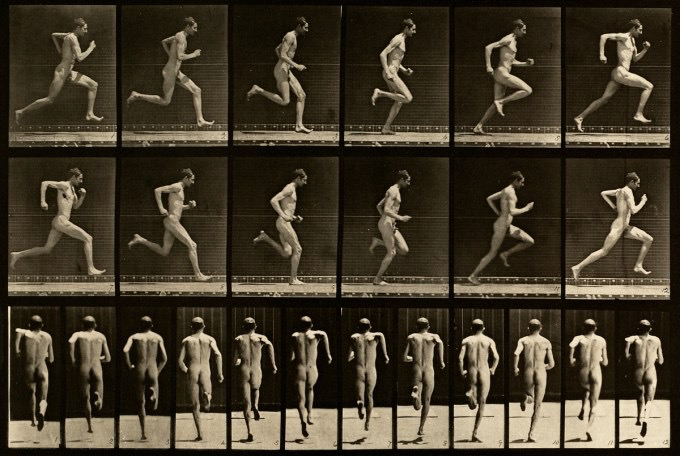
In the late 19th century, Eadweard Muybridge became famous for his experiments with sequential photography, in which he captured movements frame by frame, thereby creating the illusion of motion—before cinema as we know it today even existed.
His work marked the beginning of the recording and study of motion. With this, Muybridge created a remarkable visual archive that helped both artists and scientists understand the body’s movements, while also laying the groundwork for the development of film, which today plays a crucial role in depicting gestures on screen.
The Concept of Gestures
Now, let us take a closer look at gestures in films. Gestures are bodily forms of expression that can occur both consciously and unconsciously. They serve to react, to reveal emotions, or even to display instinctively learned behaviors. They consist of voluntary or involuntary movements that make a mental state visible or communicate something—both to others and to us as an audience.

In the world of cinema, especially in action or fiction films like The Matrix (1999), gestures shape central means of expressions, as it functions as part of a tool used to convey emotions, characters, and their relationships towards each other. Without body language, much of the intensity and style that define films would be lost.
However, gestures do not necessarily have to be physical altercations, fights, or impressive stunts because even subtle acts of intimacy have the ability to evoke meaningful emotions. This simply shows just how expressive gestures are used as an element in films.
In historical romance dramas, such as Pride and Prejudice (2005) based on Jane Austen’s novel, nonverbal gesticulations take the audience on a sentimental journey alongside the protagonists.
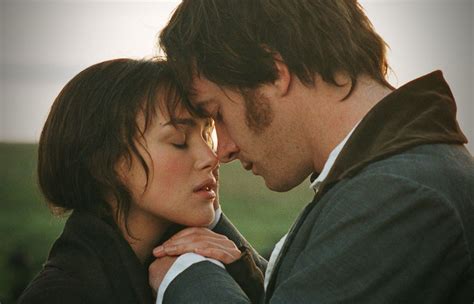
“Sometimes the person you least want to be with is exactly the one you can’t live without.”
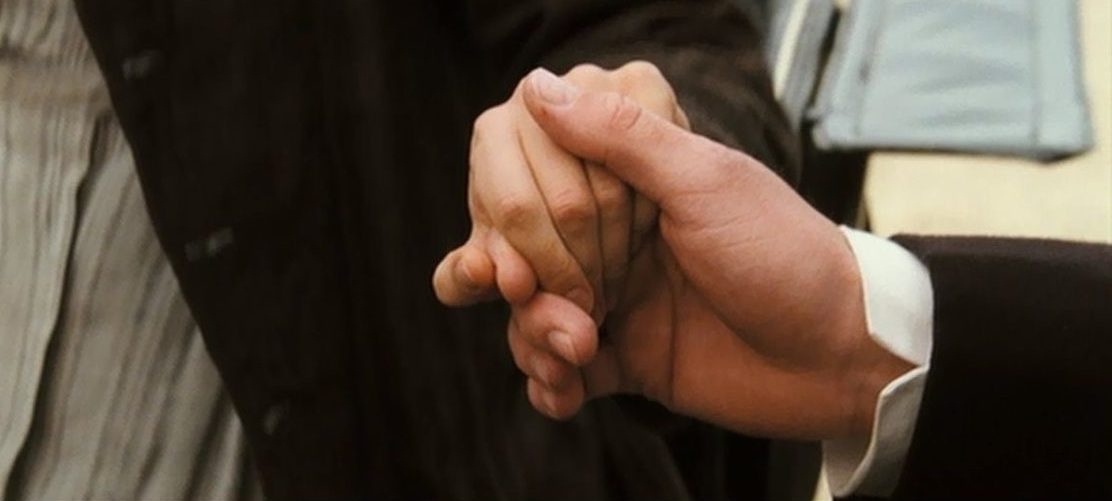
Pride and Prejudice shows us that gestures add depth to interpersonal relationships.Through touch, glances, and body language, the dynamic between the characters becomes palpable, creating room for interpretation. A simple interaction—such as touching hands—highlights the powerful impact gestures can have.
What is important to understand is that…
Gestures in films are not fixed and natural expressions of the human condition, they are shaped by their context, time and most of all formed by social norms influenced by technology and media.
The connection between body and gesture rests on the idea that both can be read as culturally encoded signs. Nowadays, gesture on the screen therefore never emerges solely “within” the actor or actress alone, but always through an interplay: between the human body, the camera that records it, and the way in which this movement is ultimately shaped and perceived.
Monsters, Movement, and Meaning
Gesticulation and body language can help us feel a deep connection to a film character, but at the same time, they can create a sense of distance—especially in films where the perceived otherness of monstrous characters shapes our perception of their bodies and movements.
Every film enthusiast knows—or has at least heard of The Elephant Man (1980) by David Lynch: a historical drama about bodily deformity, prejudice, and social exclusion.
Set in London, the film follows Joseph Merrick, who was discovered at a sideshow performance. Due to a congenital condition, he is exhibited as the Elephant Man, thereby earning his livelihood. Yet Treves recognizes, behind the outwardly monstrous appearance, a sensitive and dignified personality.
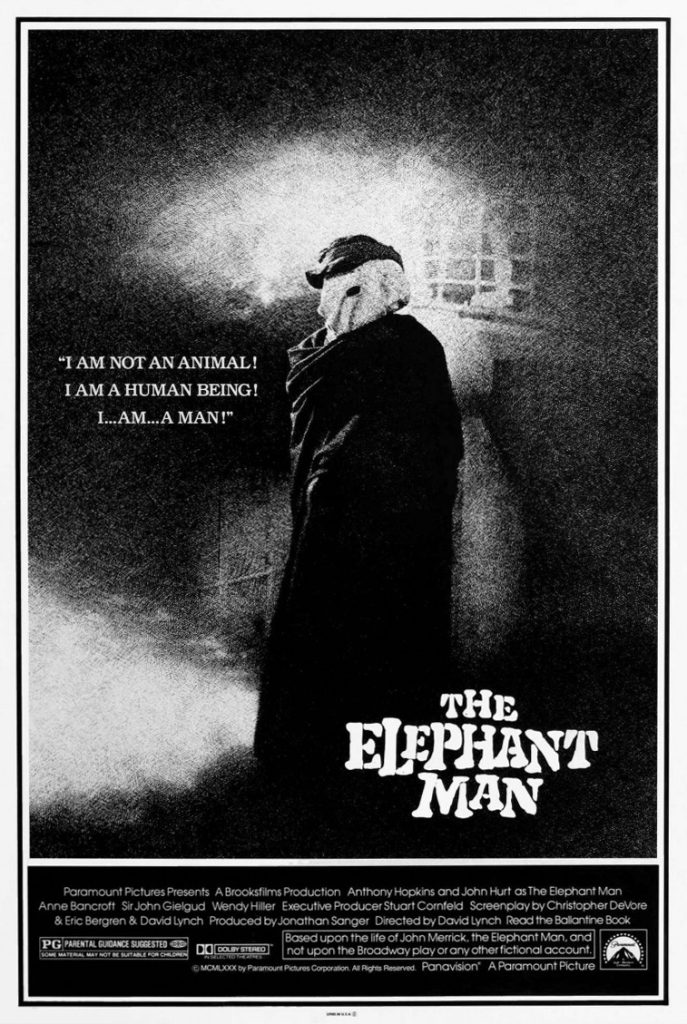
But in what way is The Elephant Man linked to the concept of gestures?
The Elephant Man makes clear that both bodies and gestures function as culturally legible signs. The body of the “monster” here is not merely a physical body—it becomes a carrier of social projections: fears, desires and mechanisms of rejection.
The protagonist’s appearance is constantly observed and ultimately condemned throughout the film, to the extent that his gestures themselves come to signify “otherness.” The Elephant Man demonstrates how strongly perception is shaped by social context, while also revealing the persistence of idealized expectations regarding gesture and body language.
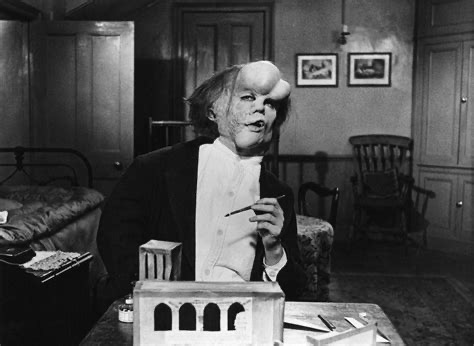
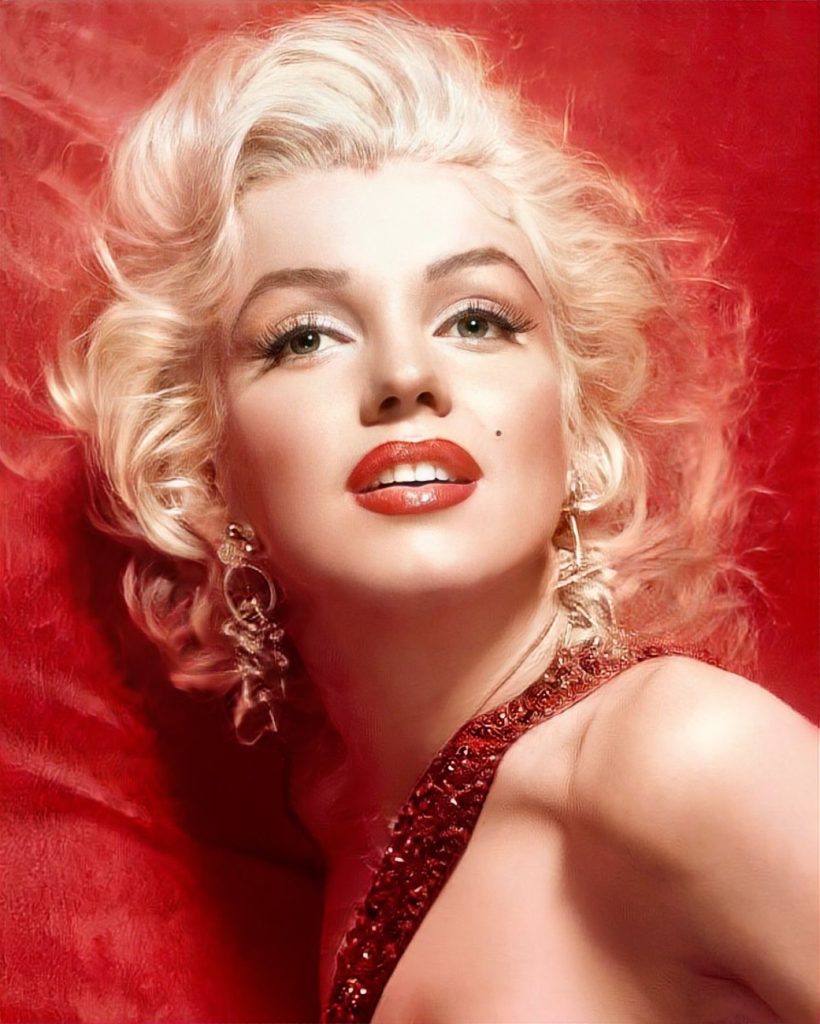
In contrast to The Elephant Man, gestures and certain body movements can also create a completely different dynamic and, above all, have a powerful impact on the screen—one that is initially perceived as positive, captivating, and aesthetically idealized.
Who immediately comes to mind here? Marilyn Monroe, of course. With her, gestures take on a different meaning, as they are carefully stylized and contribute to an image of effortless charm and controlled femininity.
New Forms of Gestures
Today, technological development contributes to new forms of gesture. Cameras reshape how the body moves, how movement is perceived, and even which motions become socially meaningful. It is definitely not static, but continuously reconfigured through technological change with cinematic techniques such as pause and slow motion.
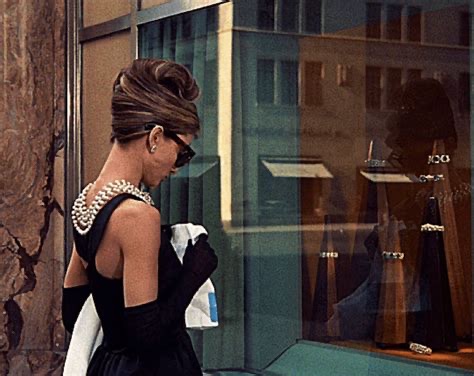
Breakfast at Tiffany’s (1961) opening scenes show gestures without dialogue. The film itself relies on the interpretation of bodily expressions: what Holly the protagonist thinks or feels is told through movement and posture rather than verbal interaction. Some scenes seem highly choreographed and framed, raising questions not only about the character herself but also about the gender expectations of the period it was filmed.
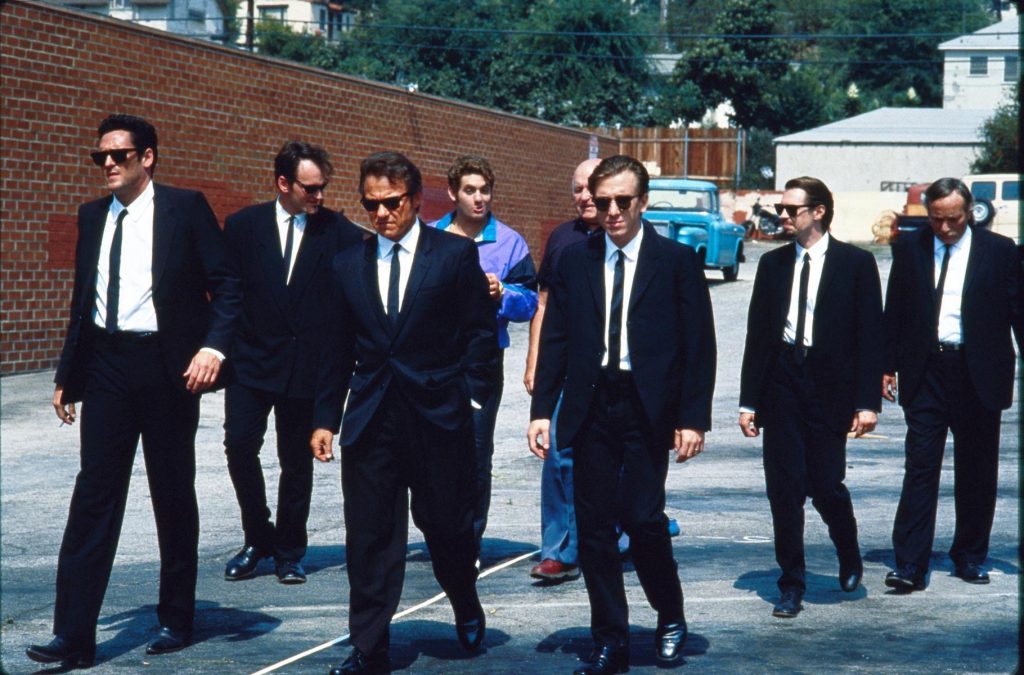
As in Reservoir Dogs (1992) directed by Quentin Tarantino, slow motion is used as a technique to intensify and isolate bodily expression and gestures of the protagonists. By expanding moments in time, the gesture becomes more visible and even more legible: the audience is encouraged to read certain character traits through their movement—stance, hesitation, posture, and micro-gestures. The impact is often ironic, producing a tension between stylized coolness and underlying violence.
Gestures play a key role in everyday interaction and communication, as well as in the world of film. They are what define films and never cease to captivate audiences. Maybe the next time you watch a film, you’ll notice the gestures more than you did before. After all, there’s a reason behind saying that a picture is worth a thousand words. Which film has recently stuck with you because of its gestures and body language?
Are you interested in exploring this topic further? Check out our special Spotify podcast episode on gestures and body language in film.
 English
Leave a Reply